

Opening of Proprietorship/ HUF/ Liquidator/ Trust/Govt. accounts in banks
While opening opening Current Accounts of all categories of depositors including proprietors, partners, trustees, settlers, beneficiaries those holding power of attorney, founders, managers, directors, etc. the customers need to submit ‘know your customer’ related official valid documents of the entities and natural persons behind the entities. As per RBI guidelines, in addition to seeking NOC…
Read article
Salient features of Different Deposit Products and Services available in banks
A deposit generally refers to money held in a customer’s bank account. Banks offer different types of deposit accounts to their customers with diverse features. Let us understand the types of accounts available to Bank customers Savings account Savings Bank (SB) accounts are opened mainly for saving purposes. Customers cannot open an SB account for…
Read article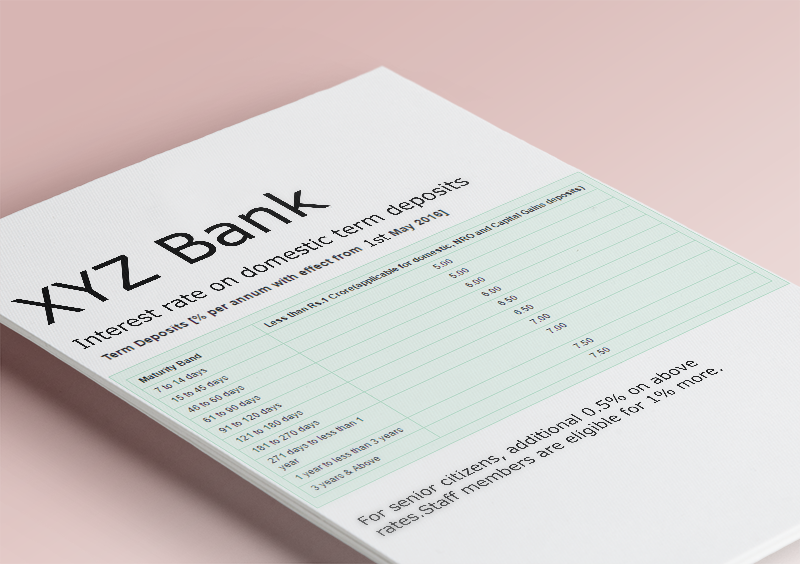
RBI announces new definition of Bulk Deposit in Banks
The Reserve Bank of India (RBI) on Friday, June 7, 2024, in its Statement on Developmental and Regulatory Policies announced, that banks have the discretion to offer differential rates of interest on bulk deposits as per their requirements and Asset-Liability Management (ALM) projections. The bulk deposit limit was enhanced in the year 2019 for Scheduled…
Read article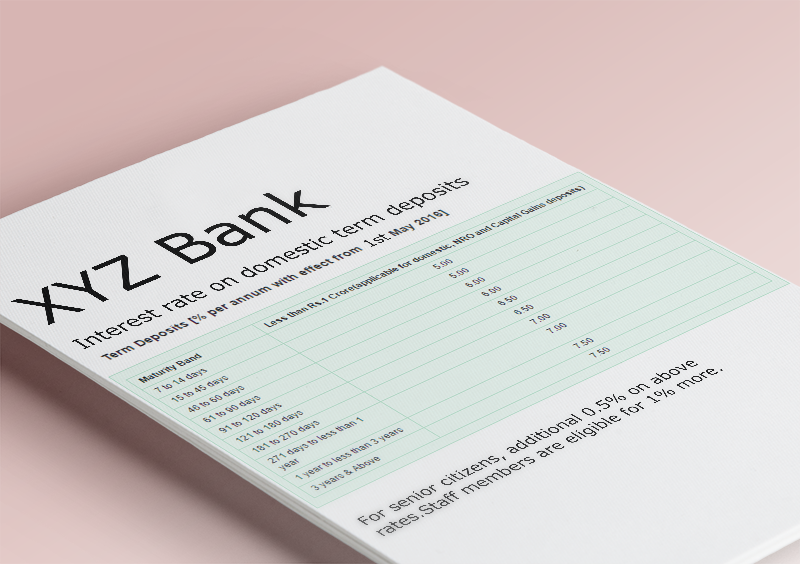
How will you search and claim unclaimed deposits/accounts across multiple banks?
The banks in India including cooperative banks are required to transfer the credit balance in any type of deposit which have not been operated upon for 10 years or more by the depositor or any amount that is remaining in the bank unclaimed for 10 years or more, to the Depositor Education and Awareness (DEA)…
Read article Retail Banking: How it is different from wholesale banking?
The basic distinctions between retail banking and wholesale banking/Corporate banking are apparent in their target audiences, services offered, customer relationships, and risk profiles. Retail banking business is targeted at individuals, salaried professionals, micro, small, and medium enterprises, Self Help Groups (SHGs), and Non-Resident Indians (NRIs). Retail bankers offer a variety of deposit schemes to individuals…
What is KYC norms?
Updated as per RBI amended Master Direction dated June 04, 2024 KYC stands for “Know Your Customer”. It’s a process to prevent banks and other financial institutions from being used as a channel for Money Laundering (ML)/ Terrorist Financing (TF) and to ensure the integrity and stability of the financial system, efforts are continuously being…
Read article