

What is Unified Payments Interface (UPI)?
Unified Payments Interface (UPI) is a mobile based, 365x24x7 ‘fast payment’ system. Through UPI, users can send and receive money instantly by means of a Virtual Payment Address (VPA) set by the users themselves. The unique feature of VPA based transaction is the secure aspect of UPI architecture as it removes the need for sharing…
Read article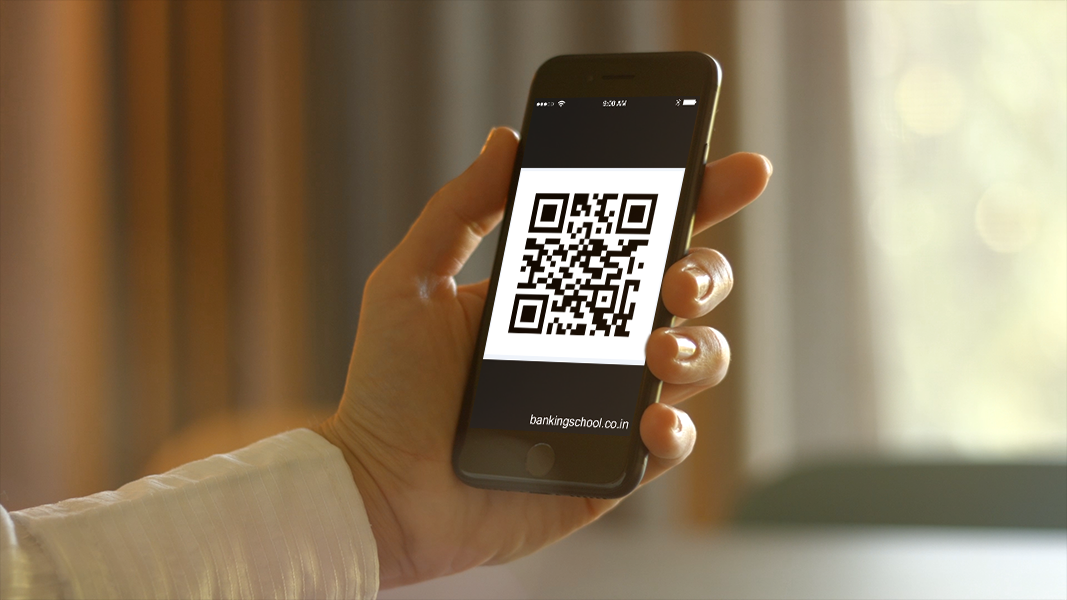
What is e-Money?
In India, e-Money is actually the Prepaid instruments (PPIs) issued in the form of Wallets and Cards. Banks, financial institutions or specific entities can issue e-money after obtaining necessary approval / authorisation from RBI under the PSS Act. E-money is electronically stored electronically in a domestic currency backed by the regulator. The Payment and Settlement…
Read article Hereafter Payment system providers should make QR codes interoperable: RBI
The Reserve Bank of India (RBI) on Thursday released guidelines to make QR codes interoperable to Streamlining QR Code infrastructure. The central bank said payments companies, which use more than one QR code, must shift to one or more interoperable QR codes by 31 March 2022. The above decision was taken by the Central Bank…
Read article RBI asks SLBCs to identify one district per state for Digital Payments Ecosystem expansion
With a view to expanding and deepening the digital payments ecosystem, on Monday, October 7, 2019, directed all state level bankers’ committees to find out one district each on a pilot basis to expand digital payments ecosystem. The development comes after the Statement on Developmental and Regulatory Policies announced by RBI on October 4, 2019,…
Read article
ETHICS IN BANKS AND FINANCIAL INSTITUTIONS
Principles of Trust: The Principles of trust are Integrity, security, availability, confidentiality, and privacy. It inspires customers, investors, regulators, and lenders to feel confident about bankers, banking products, and banking organisations. Principle of neutrality: Not to differentiate between employees (internal customers) and customers. No bias in behaviour. Principles of reliability: The reliability principle in banking…

What are Cyber Threats of different types?
A cyber threat or cyber-security threat is a malicious act that generally hunts for damaging data, steals data or disrupts digital life. The perpetrators of these attacks are organized crime groups, terrorists, industrial spies, unhappy insiders, business competitors, hackers, and Nation-states* (*where a Government trying to learn other countries’ national secrets and critical infrastructure like…
Read article