
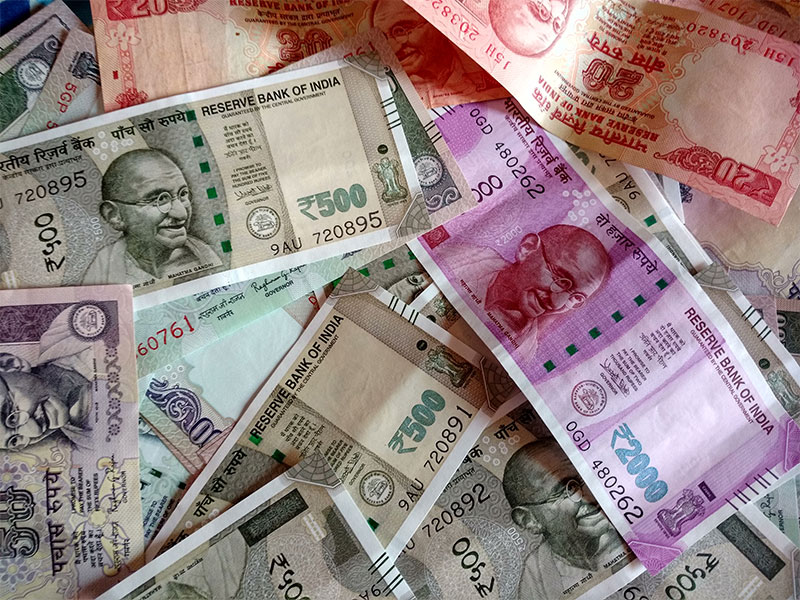
Currency is no longer just cash: Understanding What “Currency” Really Means
In the context of the Reserve Bank of India’s forward-looking measures, “currency” refers primarily to the Indian Rupee (INR) — not just as a medium of exchange, but as a strategic instrument for financial stability, economic resilience, and global positioning. Under the guidance of the Reserve Bank of India, currency management today goes far beyond…
Read article
Reserve Bank – Integrated Ombudsman Scheme (RB-IOS), 2026
The Reserve Bank of India (RBI) notified the Reserve Bank – Integrated Ombudsman Scheme (RB-IOS), 2026 on 16 January 2026, replacing the 2021 scheme with the objective of further streamlining customer grievance redressal across RBI-regulated entities. The revised scheme will come into force from 1 July 2026 and reinforces the philosophy of “One Nation, One…
Read article
Basel Norms and Global Financial Stability: Standards, Supervision, and Systemic Resilience
Overview The Basel Norms form the core of international banking regulation designed to strengthen bank capital, liquidity, leverage constraints, and market discipline to safeguard global financial stability. This article outlines Basel I–III, prudential norms, the effects of liberalization and globalization on stability, linkages to international standards and codes, and the supervisor’s role under the Basel…
Read article Financial Stability: Balancing Development and Resilience in Modern Banking
Executive summary Financial stability requires a careful balance between expanding financial services and safeguarding the system against shocks, with policy frameworks aligning development, regulation, liquidity, and risk management to prevent systemic crises. This article outlines the development–stability trade-offs, key risks and early-warning signals, liquidity management foundations, supervisory approaches, and bank risk management practices in an…
Read article Indian Financial System: Constituents, Regulation, and the Evolution of Bank Supervision
Overview The Indian financial system comprises interconnected institutions, markets, instruments, and regulatory frameworks that mobilize savings, allocate capital, manage risks, and support economic development through efficient intermediation and market-based finance. Its stability and inclusiveness rely on strong, specialized regulators—RBI, SEBI, IRDAI, and PFRDA—coordinating prudential oversight, market conduct, and investor protection to uphold transparency and resilience…
Striking a Balance Between Inflation and Growth: Coordinating Monetary and Fiscal Policies
Achieving low, stable inflation while sustaining robust, inclusive growth requires coherent use of both monetary and fiscal policies within a credible institutional framework. Monetary policy anchors price stability and expectations through interest-rate and liquidity tools, while fiscal policy shapes aggregate demand, public investment, and distributional outcomes—together determining the macroeconomic mix that minimizes sacrifice ratios over…
Read article