

Understanding the Causes and Consequences of Compliance Failures
Compliance failure, also referred to as non-compliance, occurs when an individual, team, or organization fails to meet legal, regulatory, or internal policy requirements. Such failures may result from minor oversights or deliberate misconduct and can have serious implications, including financial penalties, reputational damage, operational disruptions, and legal consequences. Key Aspects of Compliance Failure 1. Breach…
Read article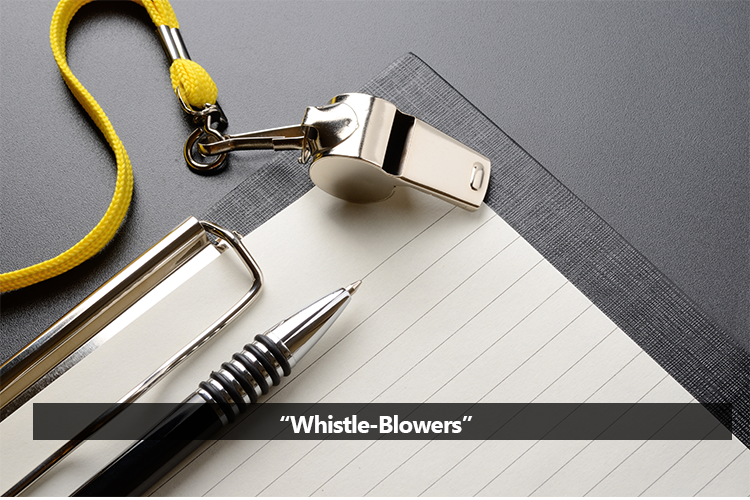
Key Components of an Effective Whistleblower Policy
A whistleblower policy is a critical component of an organization’s governance and ethical framework. It establishes formal procedures for employees and other stakeholders to report suspected misconduct, fraud, or unethical behavior in a safe, confidential, and non-retaliatory environment. The objective of such a policy is not only to encourage the reporting of improper activities but…
Read article
Advantages of an Integrated Governance, Risk, and Compliance (GRC) Approach
An integrated Governance, Risk, and Compliance (GRC) approach offers significant strategic and operational benefits to organizations. By consolidating traditionally siloed functions, this approach enhances risk visibility, strengthens compliance, improves decision-making, and increases overall efficiency. An integrated GRC framework fosters better alignment across business units, reduces duplication of efforts, and enhances the organization’s ability to respond…
Read article
Establishing a Culture of Compliance Across the Organization
A culture of compliance is fundamental to the ethical and operational integrity of any organization. It entails embedding compliance into the daily workflows, decision-making processes, and overall organizational ethos. Cultivating such a culture requires a deliberate and sustained effort across leadership, communication, policy design, training, and monitoring mechanisms. By aligning compliance with the organization’s mission…
Read article Integrating Compliance Culture with the Governance, Risk, and Compliance (GRC) Framework
A Governance, Risk, and Compliance (GRC) framework represents a structured and coordinated approach to aligning an organization’s governance, risk management, and compliance activities. It ensures ethical behavior, regulatory adherence, and effective risk mitigation across all levels of the organization. The success of such a framework heavily depends on the existence of a strong compliance culture—one…
Whistle-blowing in Banks explained
The banks are financial institutions licensed to receive deposits and make loans. Apart from collecting deposits and lending banks are handling cash transactions, Ancillary Services to their customers. To gain the confidence of customers’ banks need to maintain the highest standards of honest and ethical conduct in the course of all their operations. Although profitability…
Read article