Features and Distinctions between Job and Contract Costing

Job costing is used for short-term, smaller-scale projects where costs are tracked individually for each job. It is commonly applied in manufacturing and service industries for custom or specialized orders. In contrast, contract costing applies to larger, long-term projects—typically in construction and engineering—where costs are tracked cumulatively over the contract’s duration. Key Differences between Job…

Relationship of Cost Accounting, Financial Accounting, Management Accounting, and Financial Management

Cost accounting, financial accounting, and management accounting are three primary branches of accounting. These branches are interconnected yet serve distinct purposes. Cost accounting provides essential data for both financial and management accounting, which in turn supports financial management decisions for both internal and external stakeholders. Financial management utilizes these data points to make strategic decisions…

Tools and Techniques of Management Accounting

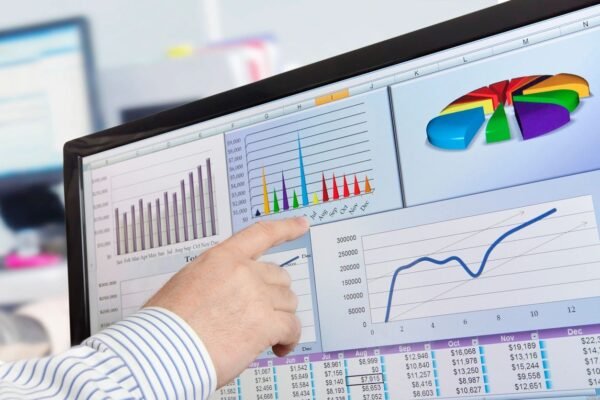
Management accounting is a vital branch of accounting that plays a crucial role in internal decision-making. Through management accounting, organizations can make informed business decisions that maximize long-term profitability. Management accounting employs various statistical methods and techniques to analyze financial data. These include graphs, tables, maps, regression analysis, time series analysis, and sampling methodologies, to…

Management Accounting: Evolution, Meaning, Objectives, and Scope

Managerial accounting, also called management accounting, is a method of accounting that creates statements, reports, and documents to help management make better business decisions. It is primarily used for internal purposes. Evolution of Management Accounting Management accounting has evolved over centuries, transitioning from simple record-keeping to sophisticated systems that leverage data analytics. Initially, it was…