A contactless debit card, also known as a chip card with an embedded radio frequency antenna, uses Near Field Communication (NFC) technology to enable secure transactions by simply tapping the card near a contactless reader. Instead of swiping or dipping the card, a customer can make payments by simply waving or tapping it on a contactless-enabled terminal.
In India, contactless cards can function both online and offline.
Offline contactless payments:
Offline contactless payments are typically used for small value transactions, especially in areas with limited or no internet access. For example, a Rupay NCMC card can be used for offline payments on transit systems, retail purchases, toll plazas, and other small payments.
Online Contactless Payments:
PIN or OTP Required: For online transactions, including those made on e-commerce websites or through online payment platforms, PIN or OTP (One-Time Password) verification is usually required, similar to a regular credit or debit card transaction.
National Payments Corporation of India (NPCI) said that it has introduced RuPay Contactless (Offline) feature.The card comes with a reloadable wallet feature where customers can store money to ensure quick and hassel-free transactions compared to regular credit/debit card transactions. The RuPay NCMC (National Common Mobility Card) offline wallet can be used to make ticket payments in transit including metros, bus tickets, cab fares etc enabling automatic quick cashless payments, thereby, reducing the wait time, traffic congestion and in turn the transit time. Recently three projects went live in the country based on NCMC contactless guidelines. They are Bengaluru Metropolitan Transport Corporation, Kochi Metro Rail Limited and Ahmedabad Smart City. These projects have highlighted successful deployment of open loop payment systems in the country each in a specific area of consumer utility i.e. Metro, Bus and Citizen Services keeping the objective of cost, convenience and speed intact.
Besides RuPay, you can find contactless debit cards offered by Visa and Mastercard. These cards allow you to make payments by simply tapping or waving the card near a contactless-enabled terminal. Specific examples include Visa Platinum Debit cards, Visa Classic Debit cards, and Mastercard Debit cards.
The key features of Contactless are as under:
- Contactless card can be issued as debit, credit or prepaid with stored value (Card balance)
- Contactless cards can be used for online (contact & contactless) & offline (contactless only) transactions
- There are dedicated storage areas for merchants/operators to offer services through the same card along with a stored value (Card balance) which is used for offline contactless transactions.
- The card contains the provision of topping up the stored value (card balance) with Cash at customer service point at the option of the issuing entity.
- The card is useful in low value payments at toll, parking, restaurants, merchant payments & all such similar small value payments.
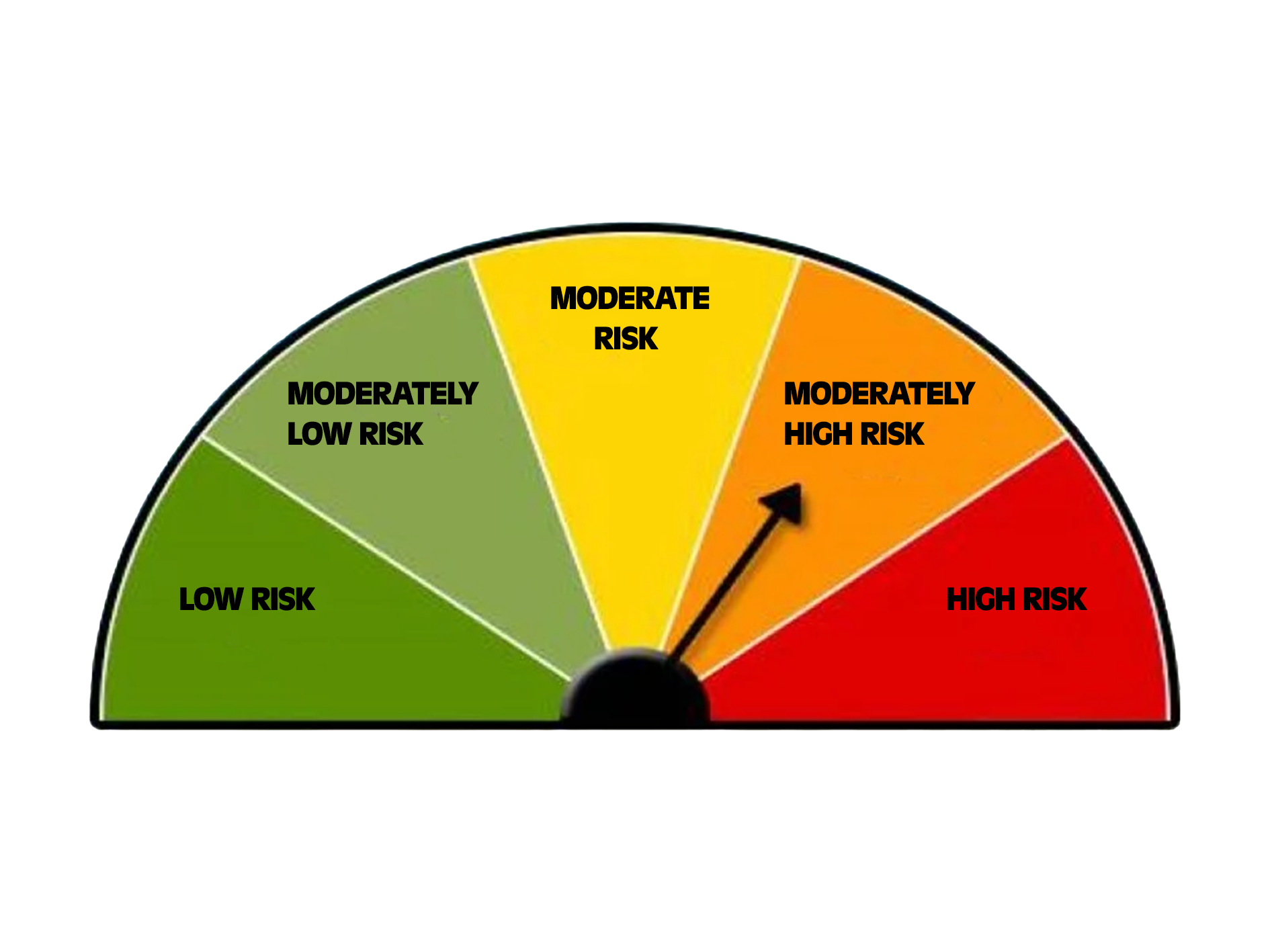
- The transactions are allowed within the available balance in the card, either the customer or the bank has the risk of huge loss due to fraudulent transactions.
- With the recent announcement to increase the transaction limit to Rs.5000/- on contactless payments, customers are set to witness an all new level of security, convenience and safety.
Benefits:
Convenience: No need to swipe or dip the card, making transactions faster.
Security: NFC technology provides a secure way to transmit payment information.
Speed: Transactions can be completed in a matter of seconds.
Reduced Risk: Eliminates the need to carry large amounts of cash, reducing the risk of theft or loss, according to NPCI.
Digital Trail: Contactless transactions create a digital record of your purchases.
Conclusion:
In essence, contactless cards offer both offline and online payment options. The offline mode provides convenience for smaller transactions without requiring a PIN or online connectivity, while the online mode offers security and convenience for larger transactions and e-commerce payments.
Read related post:
Related Posts: