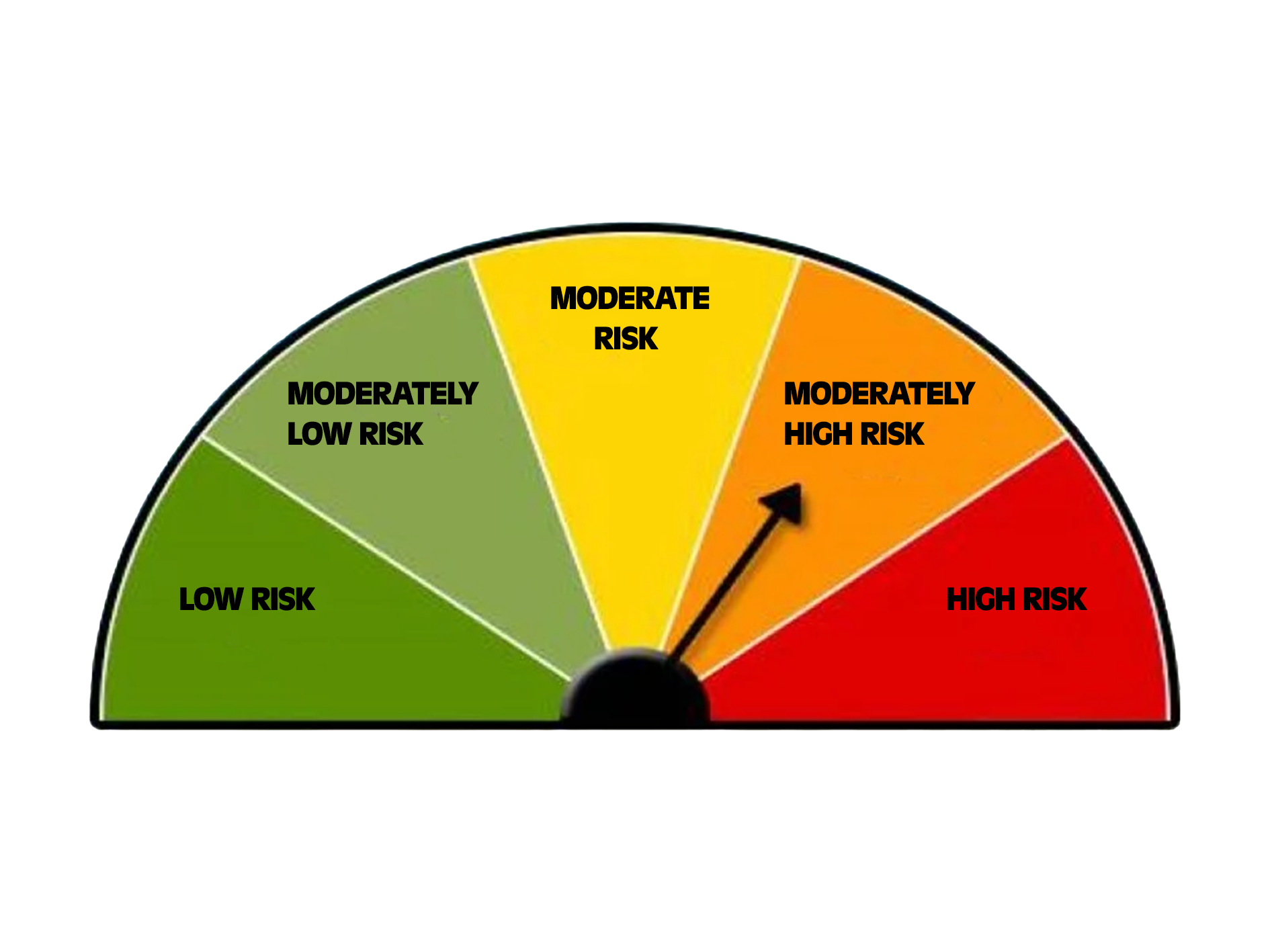
The adoption of technology in the banking sector presents numerous challenges, including cybersecurity threats, regulatory compliance, legacy systems, data management, and the shortage of skilled professionals. Successfully navigating these obstacles requires banks to adapt to rapidly evolving digital landscapes, respond to shifting customer expectations, and manage the risks associated with emerging technologies.
Below is a detailed overview of the key challenges:
1. Cybersecurity and Data Protection
Cybersecurity and data protection are of paramount importance in the banking sector to safeguard sensitive financial information, preserve customer trust, and ensure compliance with regulatory requirements. Cybersecurity involves protecting systems, data, and customer assets from cyberattacks, while data protection ensures the integrity, confidentiality, and availability of financial information. As cyber threats become increasingly sophisticated, banks must continuously upgrade and adapt their security frameworks.
2. Legacy Systems and Digital Transformation
Legacy systems, although foundational to core banking operations, pose significant barriers to digital transformation. These systems often rely on outdated technologies, lack integration capabilities, and struggle to accommodate modern digital demands. Digital transformation initiatives, aimed at enhancing operational efficiency, customer experience, and organizational agility, require the modernization or replacement of such systems. Integrating new technologies with legacy infrastructure is complex and demands strategic planning and execution.
3. Regulatory Compliance
As digital transformation reshapes the banking landscape, maintaining regulatory compliance becomes increasingly challenging. Financial institutions must address the implications of digitization on compliance, accountability, and risk management, while maintaining effective collaboration with regulators. A robust compliance framework—aligned with regulations such as AML (Anti-Money Laundering), KYC (Know Your Customer), and GDPR (General Data Protection Regulation)—is essential. Leveraging digital tools for automation and records management, alongside effective change management strategies, is critical to achieving compliance without stifling innovation.
4. Data Management
Effective data management remains a pressing concern, involving challenges such as ensuring data quality, maintaining security and privacy, integrating diverse data sources, and managing exponentially growing data volumes. Compliance with data regulations further adds complexity. Poor data management can hinder a bank’s ability to leverage data for analytics and informed decision-making.
5. Skilled Professionals and Talent Gap
The rapid pace of technological advancement has outstripped the availability of skilled professionals in the financial services sector. This talent gap impedes innovation and competitiveness. Demand is especially high for expertise in cybersecurity, artificial intelligence, and data analytics. To drive digital transformation successfully, banks must invest in attracting, developing, and retaining a highly skilled workforce.
6. Evolving Customer Expectations
Customer expectations are evolving rapidly, particularly among younger demographics such as Gen Z and millennials, who prioritize seamless and personalized digital experiences. Research indicates that many customers are willing to switch banks due to dissatisfaction with impersonal or inefficient service. While digital banking solutions—such as home banking—can address many routine needs, not all customers have the technical knowledge or access to utilize them. Banks must therefore tailor their services to meet diverse customer preferences and digital capabilities.
7. Fintech Competition
The fintech sector in India has witnessed remarkable growth, but challenges persist. These include concerns over data privacy, operational reliability, digital literacy, and uneven adoption among micro, small, and medium enterprises (MSMEs). Traditional banks face mounting pressure to remain competitive by embracing innovative technologies and rethinking their business models. Strategic partnerships with fintech firms can offer banks access to cutting-edge solutions and specialized expertise.
8. Infrastructure Challenges
Infrastructure modernization is critical but often costly and complex. Banks must overhaul legacy systems, comply with evolving regulations, manage large volumes of data, and maintain robust cybersecurity protocols. Balancing the need for technological advancement with cost management and operational continuity is a persistent challenge.
9. Organizational Readiness and Cultural Change
Digital transformation requires not only technological upgrades but also a fundamental shift in organizational culture. Assessing employee readiness, addressing resistance to change, and promoting an inclusive and adaptive workplace culture are essential. Successful transformation depends on cultivating an environment where employees are engaged, supported, and aligned with the institution’s strategic objectives.
Conclusion
By proactively addressing these challenges and implementing well-planned strategies, Indian banks can harness the full potential of technological advancements. Doing so will enable them to enhance customer experience, improve operational efficiency, and sustain competitiveness in an increasingly digital financial ecosystem.
Related Posts: