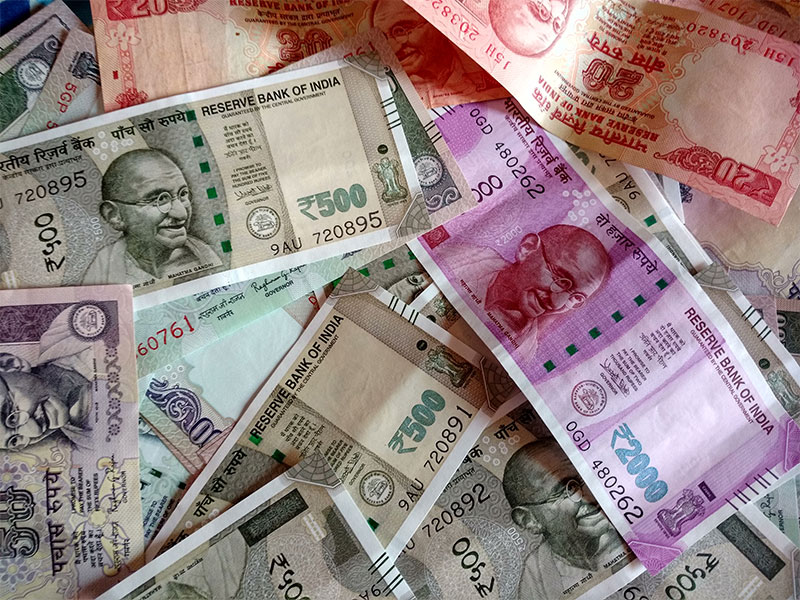
Monetary policy is the most critical tool available to central banks for achieving macroeconomic stability. In India, the Reserve Bank of India (RBI) formulates and implements monetary policy to balance growth and price stability while ensuring financial stability. The process is complex as monetary policy must reconcile multiple, sometimes conflicting, objectives while operating under conditions of uncertainty.
Objectives of Monetary Policy
The broad objectives of monetary policy can be categorized as follows:
• Price Stability: Maintaining stable inflation, often viewed as the primary mandate, reduces uncertainty and protects purchasing power.
• Economic Growth: Supporting sustainable growth by ensuring adequate credit availability and conducive financial conditions.
• Financial Stability: Safeguarding the stability of the banking and financial system, which underpins economic resilience.
• External Balance: Managing exchange rates and capital flows in an open economy context.
In India, the Monetary Policy Framework Agreement (2016) institutionalized inflation targeting, setting a target of 4% Consumer Price Index (CPI) inflation (with a band of 2% on either side).
Reconciling Dual Objectives
Historically, monetary policy has faced a trade-off between inflation control and growth promotion. For instance, tightening policy lowers inflationary pressures but can dampen investment and employment, while accommodative policy spurs growth but risks higher inflation.
Reconciling these dual objectives involves:
• Adopting a flexible inflation targeting framework to maintain monetary discipline while allowing for counter-cyclical support during economic slowdowns.
• Coordinating with fiscal policy to ensure overall macroeconomic stability.
• Using forward guidance to anchor inflation expectations without creating undue constraints on growth.
The Taylor Rule
The Taylor Rule provides a formulaic guide to setting policy interest rates by linking them to inflation and output gaps:
i_t = r* + π_t + 0.5(π_t − π*) + 0.5(y_t − y*)
Where:
• i_t: Nominal policy interest rate
• r*: Real neutral interest rate
• π_t: Actual inflation
• π*: Target inflation
• y_t − y*: Output gap
Though not mechanically adopted by the RBI, it offers insights into systematic policy responses.
Indicators of Monetary Policy
The central bank monitors several indicators to guide policy decisions:
• Inflation data: CPI, WPI, core inflation.
• Output growth: GDP, industrial production.
• Liquidity conditions: Credit growth, money supply, call money market rates.
• External indicators: Exchange rate trends, capital inflows and outflows.
Instruments of Monetary Policy
Monetary policy tools can be classified as quantitative (affecting overall liquidity) and qualitative (targeting specific sectors).
• Bank Rate: Long-term policy rate at which RBI rediscounts bills and extends loans to commercial banks.
• Open Market Operations (OMO): Buying and selling of government securities to adjust liquidity.
• Cash Reserve Ratio (CRR): Mandated percentage of deposits held with RBI, directly impacting banks’ lending capacity.
• Statutory Liquidity Ratio (SLR): Requirement for banks to maintain liquid assets in the form of gold or approved securities.
• Repo and Reverse Repo Rates: Short-term policy rates in the liquidity adjustment facility to manage day-to-day banking liquidity.
• Marginal Standing Facility (MSF): Emergency borrowing window for commercial banks.
Transmission Mechanism and Channels
The effectiveness of monetary policy depends on how policy rate changes are transmitted to the economy through different channels:
• Interest Rate Channel: Policy rates influence lending and deposit rates, affecting investment and consumption.
• Credit Channel: Availability of credit is adjusted by changing liquidity and capital requirements.
• Exchange Rate Channel: Policy rates impact capital flows, currency values, and external competitiveness.
• Asset Price Channel: Rates influence equity and bond prices, altering wealth and investment patterns.
• Expectations Channel: Forward guidance shapes inflation expectations and investment decisions.
Transparency in Policy
Modern monetary policy frameworks increasingly emphasize transparency and communication. Regular press releases, minutes of Monetary Policy Committee (MPC) meetings, forward guidance, and publications like the RBI’s Monetary Policy Report enhance credibility and anchor expectations. Transparency reduces uncertainty and strengthens the central bank’s accountability.
Policy Lags
Monetary policy is subject to significant lags which complicate its effectiveness:
• Recognition Lag: Delay in identifying economic changes.
• Implementation Lag: Time taken to announce and operationalize policy changes.
• Transmission Lag: Delay between policy action and its effect on lending, investment, and output.
• Impact Lag: Time before the full effect materializes in the real economy.
The cumulative effect of these lags makes monetary policy a forward-looking exercise requiring preemptive action.
CAIIB –Central banking (elective)- Model C -related articles