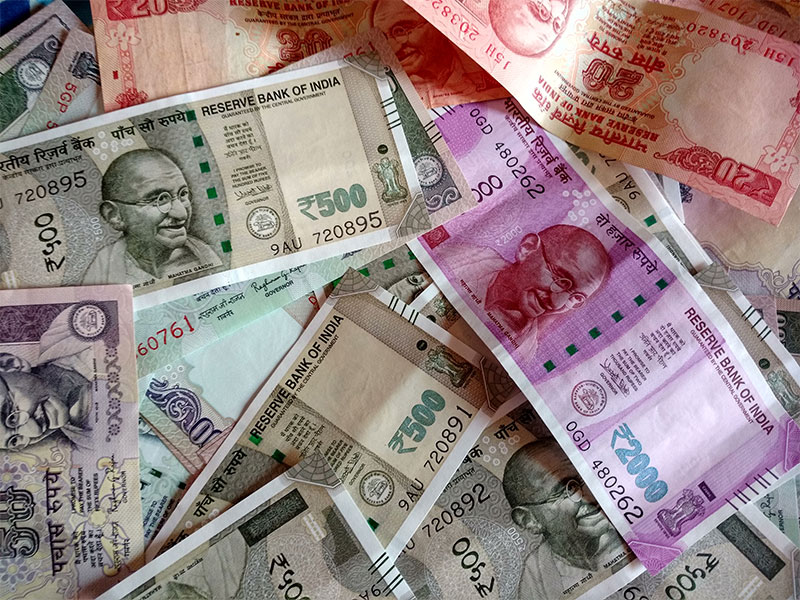
In the context of the Reserve Bank of India’s forward-looking measures, “currency” refers primarily to the Indian Rupee (INR) — not just as a medium of exchange, but as a strategic instrument for financial stability, economic resilience, and global positioning.
Under the guidance of the Reserve Bank of India, currency management today goes far beyond printing notes and managing liquidity. It now includes strengthening the Rupee’s credibility in domestic and international markets.
🔎 What “Currency” Really Means in RBI’s Strategic Vision
In recent policy directions, currency is viewed through three key lenses:
1️⃣ Stability
Ensuring that the INR remains relatively stable against major global currencies reduces volatility in:
- Imports and exports
- External borrowings
- Foreign investments
- Corporate balance sheets
A stable Rupee lowers exchange rate risk, helping businesses plan pricing and investments more confidently.
2️⃣ Usability
The RBI is encouraging greater usability of the INR in:
- Trade invoicing
- Cross-border settlements
- International lending
- Bilateral trade agreements
This reduces dependency on dominant foreign currencies and shields the Indian economy from global currency shocks.
3️⃣ Internationalization of the Rupee
The broader objective is gradual internationalization of the INR, where:
- Foreign entities can borrow in Rupees
- Non-residents can hold Rupee accounts
- Trade partners settle transactions in INR
Measures such as Rupee lending to non-residents and development of reference rates for select global currencies are steps in this direction.
🏦 What This Means for Banks, NBFCs & UCBs
For financial institutions — including commercial banks, NBFCs, and Urban Cooperative Banks (UCBs) — RBI’s currency-centric strategy implies:
✔ Enhanced Compliance Expectations
Institutions must align treasury, forex, and risk management frameworks with evolving INR-centric guidelines.
✔ Stronger Risk Management Systems
Currency stability is now central to risk mitigation strategy. Banks must:
- Improve ALM (Asset-Liability Management)
- Strengthen forex risk hedging mechanisms
- Enhance stress-testing models
✔ Greater Participation in INR-Based Trade
Banks should prepare for:
- Growth in INR trade settlements
- Expansion of Special Rupee Vostro Accounts
- Increased Rupee-denominated cross-border lending
📈 Why Currency Stability Matters for Economic Growth
A predictable and stable INR contributes to:
- 📊 Better pricing transparency
- 🌍 Smoother cross-border trade
- 💼 Lower hedging costs for corporates
- 💰 Reduced external vulnerability
By promoting Rupee-based settlements and reducing over-reliance on foreign currencies, the RBI is strengthening India’s financial sovereignty.
🔮 The Bigger Picture: Building Trust in the Financial System
Currency stability underpins the RBI’s broader risk mitigation framework. When the Rupee is trusted:
- Investors feel secure
- Trade partners adopt INR settlements
- Financial institutions operate with lower systemic risk
- Economic growth becomes more sustainable
The message is clear: Currency is no longer just cash — it is a strategic pillar of India’s financial architecture.