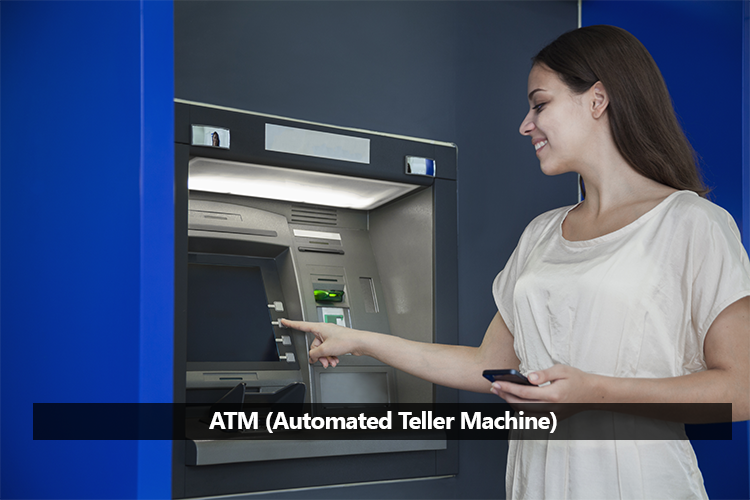
Automated Teller Machines (ATMs) play a critical role in enhancing financial accessibility and convenience. In India, ATMs are available in various forms to cater to diverse customer needs, ranging from basic transactions to specialized financial services. Below is a structured overview of the different types of ATMs and their distinct purposes:
1. Basic ATMs
Basic ATMs, primarily functioning as cash dispensers, are commonly located in high-footfall areas such as shopping malls, airports, and railway stations. These machines typically allow users to perform straightforward transactions like cash withdrawals and balance inquiries, ensuring quick and efficient service.
2. Full-Service ATMs
Also known as Automated Deposit and Withdrawal Machines (ADWMs), full-service ATMs offer an expanded range of functionalities. These include cash deposits, balance inquiries, mini statements, and fund transfers. Operated by banks as well as white-label ATM providers, these machines provide comprehensive banking services beyond cash dispensing.
3. Specialized ATMs
- Green Label ATMs:
Designed to facilitate agricultural transactions, Green Label ATMs cater primarily to farmers and agricultural workers. These ATMs enable access to farming-related subsidies, loans, and Direct Benefit Transfers (DBT), thus promoting financial inclusion in the agricultural sector. - Orange Label ATMs:
These ATMs are tailored for securities trading and investment-related transactions. Orange Label ATMs are primarily used by investors and traders for executing stock market-related operations. - Yellow Label ATMs:
Yellow Label ATMs are e-commerce-focused machines, allowing users to make online payments, pay utility bills, and conduct other digital commerce-related financial transactions. - Pink Label ATMs:
Pink Label ATMs are exclusively designed for women, with the objective of providing a safer and more convenient banking experience. These ATMs often include enhanced security measures such as CCTV surveillance and on-site security personnel.
4. Ownership-Based ATMs
- White Label ATMs (WLAs):
Operated by non-banking entities, White Label ATMs do not carry any bank branding. Customers from any bank can use these ATMs for basic services such as cash withdrawals and balance checks, often for a service fee. - Brown Label ATMs:
In this model, the ATM hardware and physical infrastructure are owned and maintained by a third-party vendor, while the sponsoring bank manages cash replenishment and network connectivity. The service provider is responsible for site selection, setup, and upkeep of the ATM kiosk.
5. Location-Based ATMs
- On-Site ATMs:
Located within the premises of a bank branch, on-site ATMs provide convenient access to banking services alongside physical branch facilities. These ATMs offer a high level of security and are frequently monitored by bank personnel. - Off-Site ATMs:
These ATMs are installed outside bank premises in public places such as shopping complexes, railway stations, or fuel stations. Off-site ATMs enhance banking reach, offering customers access to essential services beyond traditional bank locations. - Mobile ATMs:
Mobile ATMs are mounted on specially designed vehicles and are deployed to remote or underserved locations. These movable ATMs enhance banking outreach by serving regions with limited or no fixed ATM infrastructure.
By offering varied functionalities and being strategically placed, these diverse types of ATMs significantly contribute to the broader goal of financial inclusion and improved customer convenience across India.
Related Posts: