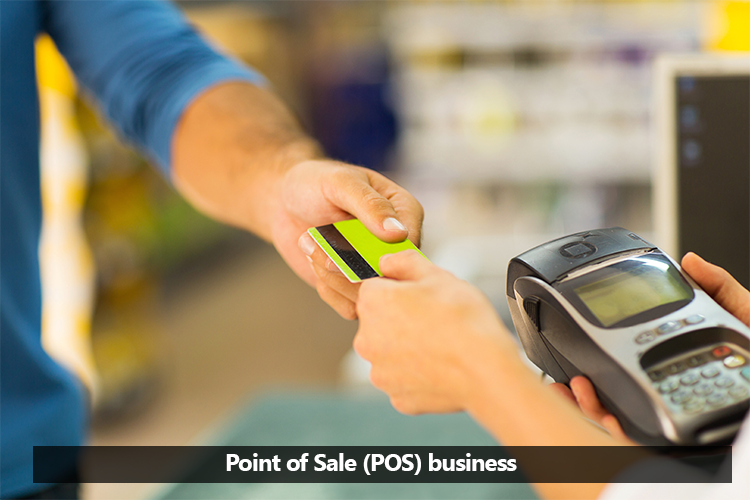
A Point-of-Sale (POS) terminal is a vital tool that enables businesses to accept payments from customers at the point of purchase. Beyond facilitating transactions, POS systems also capture sales data and may include functionalities such as barcode scanning, receipt printing, and payment processing. These systems can be either physical devices (e.g., card readers) or software-based solutions that operate on various digital platforms.
Types of POS Systems
- Legacy POS: Traditional hardware-based systems with limited flexibility and customization.
- Tablet POS: Tablet-driven systems offering a modern, portable alternative.
- Mobile POS: Lightweight systems designed for mobility, ideal for dynamic sales environments.
- Cloud-Based POS: Systems that store data on the cloud, allowing access from multiple locations.
- Multichannel POS: Integrated solutions that consolidate in-store and online sales operations.
How POS Terminals Work
Debit, credit, and smart card payments are widely accepted across sectors such as railways, airlines, retail malls, hotels, and large commercial establishments. To accept these payments, businesses must be equipped with a POS terminal.
Banks involved in the Card Payment Acquiring Business typically partner with payment networks like Visa, MasterCard, and RuPay, as well as service providers who install and maintain POS terminals at merchant locations. These terminals are connected to a host computer via secure networks, enabling real-time processing of transactions.
When a customer initiates a purchase, their card is swiped or inserted into the POS terminal. The device reads the electronic data encoded on the magnetic stripe or chip—such as the cardholder’s name, account number, and security credentials—and transmits it for validation. Upon approval, the transaction is recorded, and the customer’s account is updated accordingly.
Let Me Walk You Through How a POS System Works
When you walk into a store and make a purchase, there’s a lot going on behind the scenes—and it all starts with the POS system.
Scanning Barcodes:
Instead of typing product details by hand, the cashier simply scans the item’s barcode. This instantly pulls up the product’s information—price, description, inventory count—making checkout fast and accurate.
Printing Receipts:
Once the purchase is complete, the POS system generates a receipt. Whether it’s printed or sent to your email, it gives a full breakdown of what you bought and how you paid.
Processing Payments: POS systems accept multiple payment methods. From traditional cash and card payments to mobile wallets and digital apps—they’re designed to handle it all seamlessly.
But there’s more to a POS system than just ringing up sales:
Managing Inventory:
It keeps real-time tabs on stock levels. So, when an item is sold, inventory gets updated automatically—helping businesses avoid overstocking or running out.
Sales Reporting:
The system collects data from every sale and turns it into insightful reports. Want to know your best-selling item or track weekly performance? It’s all right there.
Customer Management:
Many POS systems also function as lightweight CRMs. They can store customer info, track buying habits, and even manage loyalty programs—making it easier to keep regulars happy.
In short, a modern POS system is more than a cash register. It’s a full-fledged business tool that helps streamline operations, improve customer experience, and drive growth.
Growth of POS-Based Transactions
In recent years, POS-based transactions have become the predominant method of payment across many sectors. Recognizing this trend, banks view the POS business as a significant opportunity to enhance their fee-based income.
The acquiring bank—the one providing the POS terminal—earns a commission on each transaction processed through its terminal. This commission is typically shared among the bank, the payment network (Visa, MasterCard, etc.), and the card-issuing bank. Furthermore, the acquiring bank benefits from brand visibility through transaction receipts issued to cardholders.
Advantages for Merchants and Banks
The increasing adoption of card-based payments offers tangible benefits for both merchants and financial institutions. For merchants, accepting card payments broadens customer reach and boosts sales. Although credit card payments may be settled by customers at a later date, banks usually credit the merchant’s account on the following business day, ensuring immediate liquidity.
For banks, POS terminals not only generate fee income but also strengthen customer engagement and brand presence.
Key Benefits of POS Systems
- Efficient Payment Processing: Streamlined and accurate transaction handling.
- Improved Inventory Management: Real-time stock tracking and reduced overstocking or shortages.
- Enhanced Customer Experience: Support for loyalty programs and personalized service.
- Data-Driven Insights: Access to analytics that help businesses make informed operational and strategic decisions.
Related Posts: