Introduction
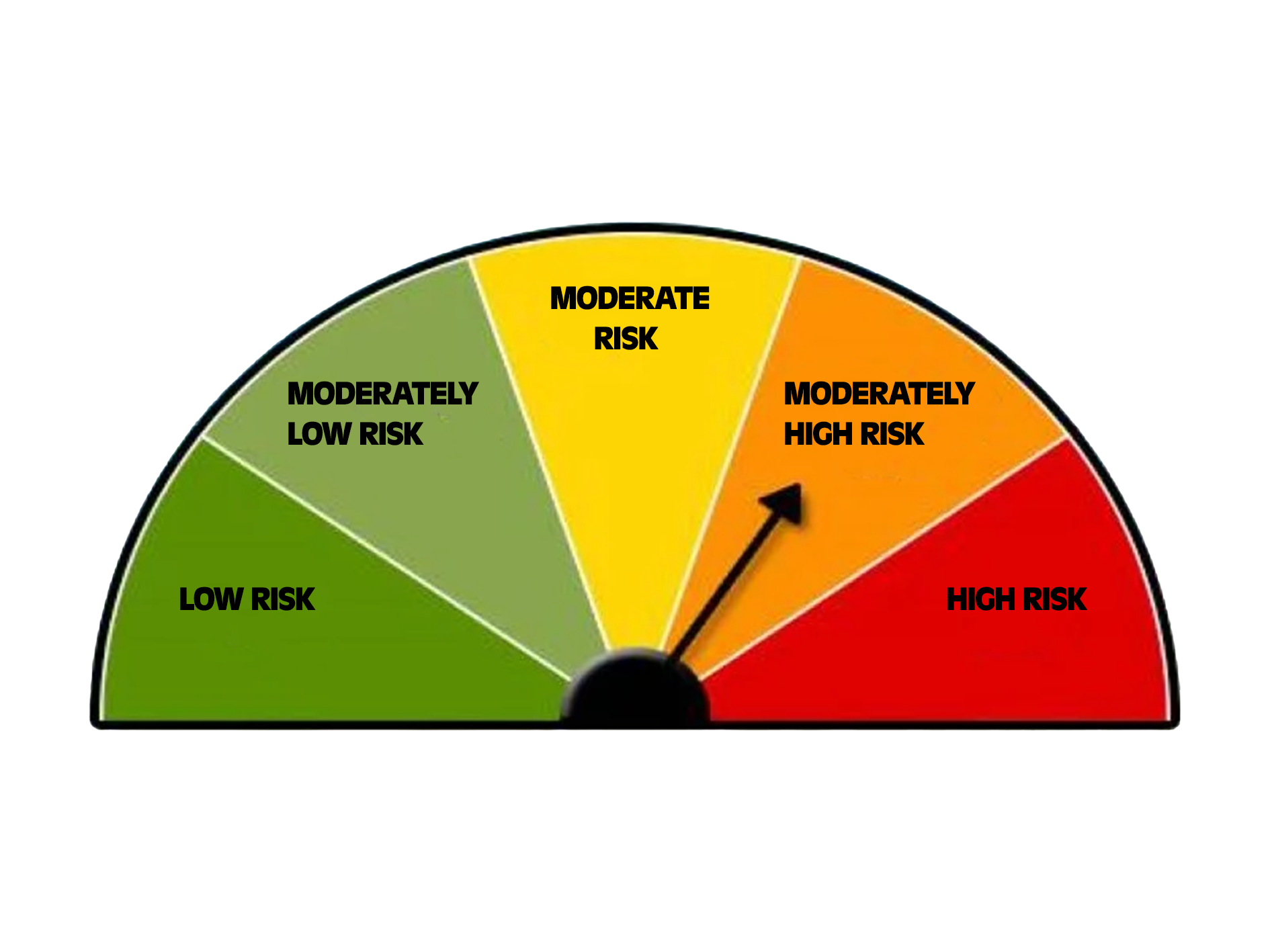
Management Information Systems (MIS) play a crucial role in facilitating effective decision-making, enhancing organizational efficiency, and aligning information technology with business goals. Despite their many advantages, MIS face several challenges that can hinder their successful implementation, operation, and strategic alignment. These issues are broadly categorized into implementation challenges, operational concerns, and strategic hurdles.
1. Implementation Challenges
a. Incorrect System Selection
Selecting an MIS that does not align with the organization’s specific needs and objectives can result in poor performance and wasted resources. A misaligned system may fail to deliver expected benefits, cause integration issues, and obstruct operational efficiency.
b. Lack of System Integration
Inadequate integration across systems can create data silos, leading to inefficiencies, increased costs, and impaired decision-making. The complexity and cost of integrating legacy systems with new MIS solutions further exacerbate this issue.
c. Poor Implementation Planning
Ineffective planning during MIS implementation often results in delayed project timelines, cost overruns, and reduced user adoption. Without thorough planning, systems may not meet organizational requirements, undermining their intended value.
d. Data Quality Concerns
Data-related issues—such as inaccuracy, incompleteness, inconsistency, and duplication—can significantly affect the reliability of MIS. These problems compromise decision-making processes and lead to erroneous reporting and increased operational costs.
e. Optimization of Data Connectivity
Ensuring seamless data connectivity across various sources is essential for real-time insights and decision-making. However, achieving efficient data synchronization and security while managing system complexity presents ongoing challenges.
f. Security Vulnerabilities
As MIS handle vast volumes of sensitive data, ensuring data confidentiality, integrity, and availability is critical. Organizations must address risks such as unauthorized access, malware threats, and human error to safeguard their systems.
2. Operational Issues
a. Data Accuracy and Integrity
For MIS to provide reliable insights, maintaining accurate and consistent data throughout its lifecycle is vital. Poor data integrity undermines the effectiveness of analytical outputs and decision support.
b. Unmanageable Data Growth
Rapid and unstructured data growth can burden system performance, inflate storage costs, and complicate data analysis. Strategies such as data archiving, purging, and optimized storage solutions are necessary to manage this issue effectively.
c. Maintenance and Training Costs
Ongoing system maintenance and employee training are essential to ensure optimal MIS performance and user proficiency. However, these costs can be significant and require careful budgeting and resource planning.
d. Lack of Flexibility and Adaptability
A successful MIS must be flexible and adaptable to evolving business needs and technological advancements. Systems that are rigid or difficult to modify can quickly become obsolete and hinder organizational agility.
e. Shortage of Skilled Personnel
Qualified MIS professionals with both technical expertise and business acumen are vital for effective system management. A lack of skilled personnel can lead to system mismanagement, underutilization, and security risks.
3. Strategic Challenges
a. Alignment with Business Goals
An MIS must support and enhance the organization’s strategic objectives. Misalignment can result in suboptimal resource utilization and missed opportunities for innovation and growth.
b. User Involvement and Adoption
The success of an MIS greatly depends on user participation during design and implementation. Engaging users early and offering a user-friendly interface fosters adoption and ensures that the system meets their operational needs.
c. Organizational Learning and Information Usage
MIS can serve as a catalyst for organizational learning by promoting knowledge sharing and informed decision-making. A culture that embraces continuous learning and effective use of information systems is essential for maximizing the value of MIS.
d. Strategic MIS Planning
Developing a comprehensive strategic plan for MIS ensures that the system aligns with long-term organizational goals. This involves defining clear objectives, identifying resource constraints, and regularly reassessing information needs.
4. Additional Considerations
Despite the outlined challenges, MIS can significantly improve organizational decision-making. However, their dynamic nature often makes it difficult for organizations to keep pace with evolving strategies and technologies. Furthermore, the scientific orientation of MIS can sometimes conflict with the more intuitive, art-oriented nature of business decision-making.
To mitigate these issues, organizations should establish well-defined decision-making frameworks, select adaptive MIS solutions, invest in leadership-driven cost optimization, and ensure continuous employee training. Employing intellectually agile decision-makers and fostering a deep understanding of MIS principles among staff can also enhance overall system effectiveness.
Conclusion
While Management Information Systems offer immense strategic and operational advantages, they are not without challenges. Organizations must proactively address issues related to implementation, operations, and alignment with business strategy. By doing so, they can unlock the full potential of MIS, driving better decisions, greater efficiency, and sustained competitive advantage.
Related Posts: