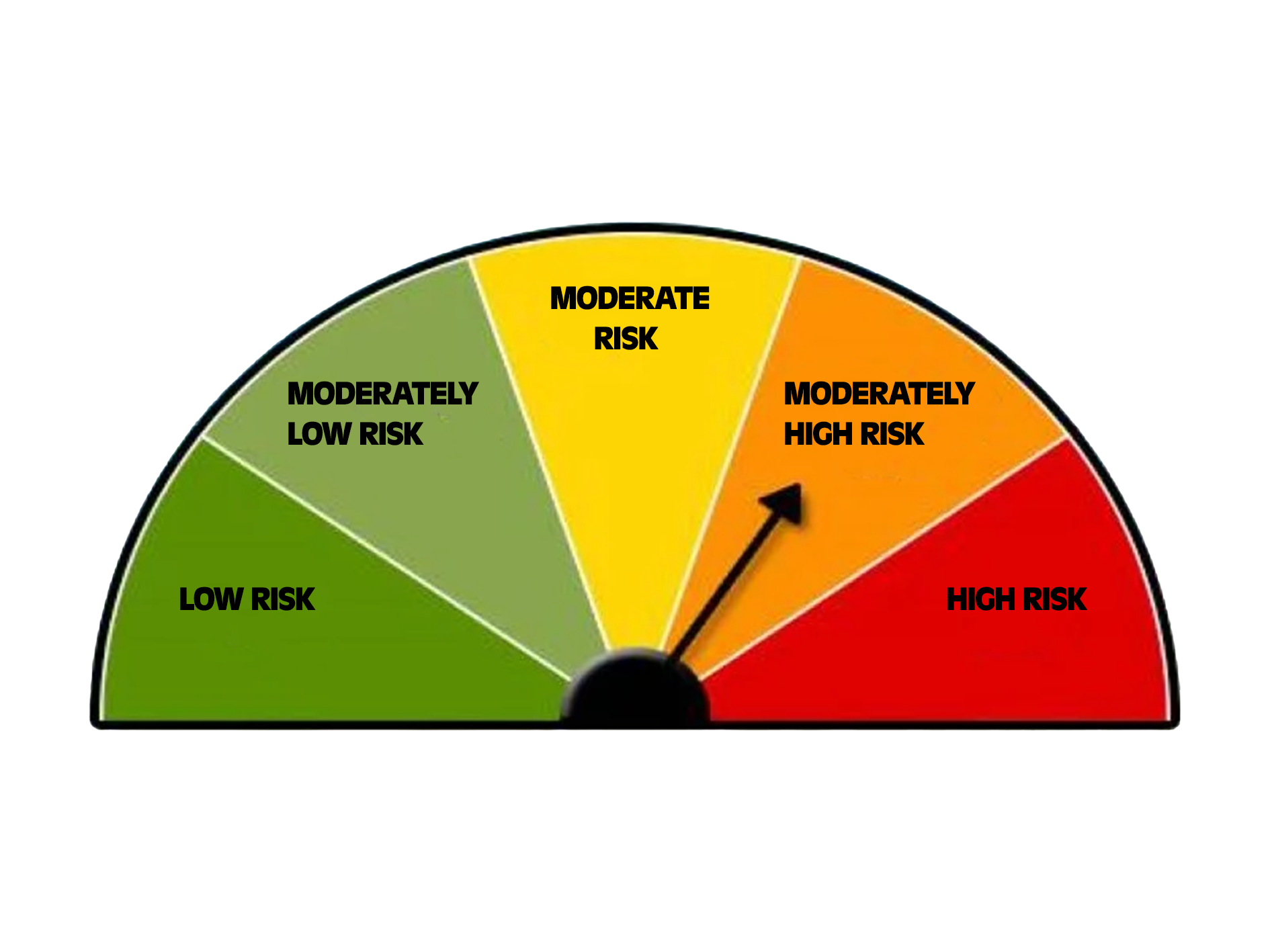
Technological advancements are reshaping industries worldwide, and the banking and financial services sector is at the forefront of this transformation. In retail banking, the adoption of innovative technologies has substantially improved customer experiences, enhanced operational efficiency, and extended market outreach. However, the integration of digital solutions also introduces challenges related to cybersecurity, digital literacy, and regulatory compliance. Therefore, a strategic and balanced approach is essential to fully realize the benefits of technological transformation while addressing its inherent risks.
1. Enhanced Customer Experience
Technological innovation has fundamentally improved how customers interact with retail banks. Personalization, seamless digital engagement, and proactive service are now critical components of customer satisfaction. By leveraging data analytics, artificial intelligence (AI), and omnichannel delivery models, banks can offer customized financial products, streamline onboarding processes, and provide real-time support. Mobile banking applications, AI-driven chatbots, and other digital services have significantly enhanced convenience and accessibility, contributing to a superior customer experience.
2. Operational Efficiency
Improving operational efficiency is a key strategic objective in retail banking. Technology enables the automation of manual processes, optimization of workflows, and reduction of operational costs. The adoption of digital tools, including robotic process automation (RPA), data analytics platforms, and cloud-based systems, allows institutions to allocate resources more effectively and shift staff focus from routine tasks to high-value strategic activities. These improvements contribute to increased profitability and organizational agility.
3. Broadened Market Reach
Digital transformation has empowered banks to transcend geographical limitations and access new customer segments. Through online banking platforms, mobile applications, and strategic collaborations with non-financial entities, banks can serve customers in remote or underserved areas. By investing in intuitive user interfaces and robust cybersecurity infrastructure, financial institutions can attract digitally-savvy customers and maintain a competitive position in an evolving marketplace.
4. Revenue Growth
Technology plays a pivotal role in enhancing operating leverage—allowing banks to increase revenues without proportionally increasing costs. The digitalization of financial products, such as online lending solutions and investment platforms, creates additional revenue streams. Furthermore, a seamless and personalized customer journey, supported by data-driven insights, fosters stronger customer relationships and contributes to sustained revenue growth, as evidenced by industry research.
5. Strengthened Security Frameworks
As cyber threats become increasingly complex, retail banks are investing in advanced security technologies to safeguard sensitive customer information and financial assets. Solutions such as biometric authentication, multi-factor authentication, and blockchain technology provide robust protection against fraud and unauthorized access. Biometric systems—based on fingerprint, facial, or voice recognition—offer enhanced security while improving user convenience, reinforcing trust in digital banking channels.
6. Data-Driven Decision Making
The strategic use of data analytics and machine learning enables retail banks to derive actionable insights from vast datasets. These insights support improved customer segmentation, product development, and risk assessment. By understanding customer behaviors and market dynamics, banks can deliver more relevant services, mitigate risks, and maintain a competitive edge in a data-driven financial environment.
7. Fostering Innovation and Agility
Innovation and agility are essential traits for banks seeking to adapt to rapid changes in consumer expectations and market conditions. The implementation of agile frameworks and emerging technologies fosters a culture of experimentation and continuous improvement. Financial institutions that embrace innovation are better positioned to introduce novel services, respond quickly to regulatory changes, and remain resilient in a dynamic business landscape.
Conclusion
The integration of advanced technologies in retail banking marks a pivotal shift toward a more customer-centric, efficient, and adaptive financial ecosystem. While the benefits of technological adoption are substantial, success depends on a balanced approach that includes strategic planning, investment in infrastructure, and attention to cybersecurity and compliance. By leveraging the full potential of digital innovation, retail banks can achieve sustainable growth and deliver enhanced value to their customers in an increasingly digital world.
Related Posts: