Introduction
Management Information Systems (MIS) are essential tools in the banking industry, employed to collect, process, manage, and disseminate data. These systems support improved decision-making, enhance operational efficiency, mitigate risks, and help financial institutions maintain a competitive edge. MIS also contributes to product development, risk control, and customer engagement.
Key Contributions of MIS in the Banking Industry
1. Enhancing Operational Efficiency
MIS plays a pivotal role in improving operational efficiency within banks. By delivering real-time data and facilitating data-driven decision-making, MIS streamlines internal processes and supports performance evaluation. Banks utilize MIS to identify trends, monitor financial health, and assess employee productivity. This results in improved risk mitigation, better customer service, and more effective strategic planning.
2. Strengthening Risk Management
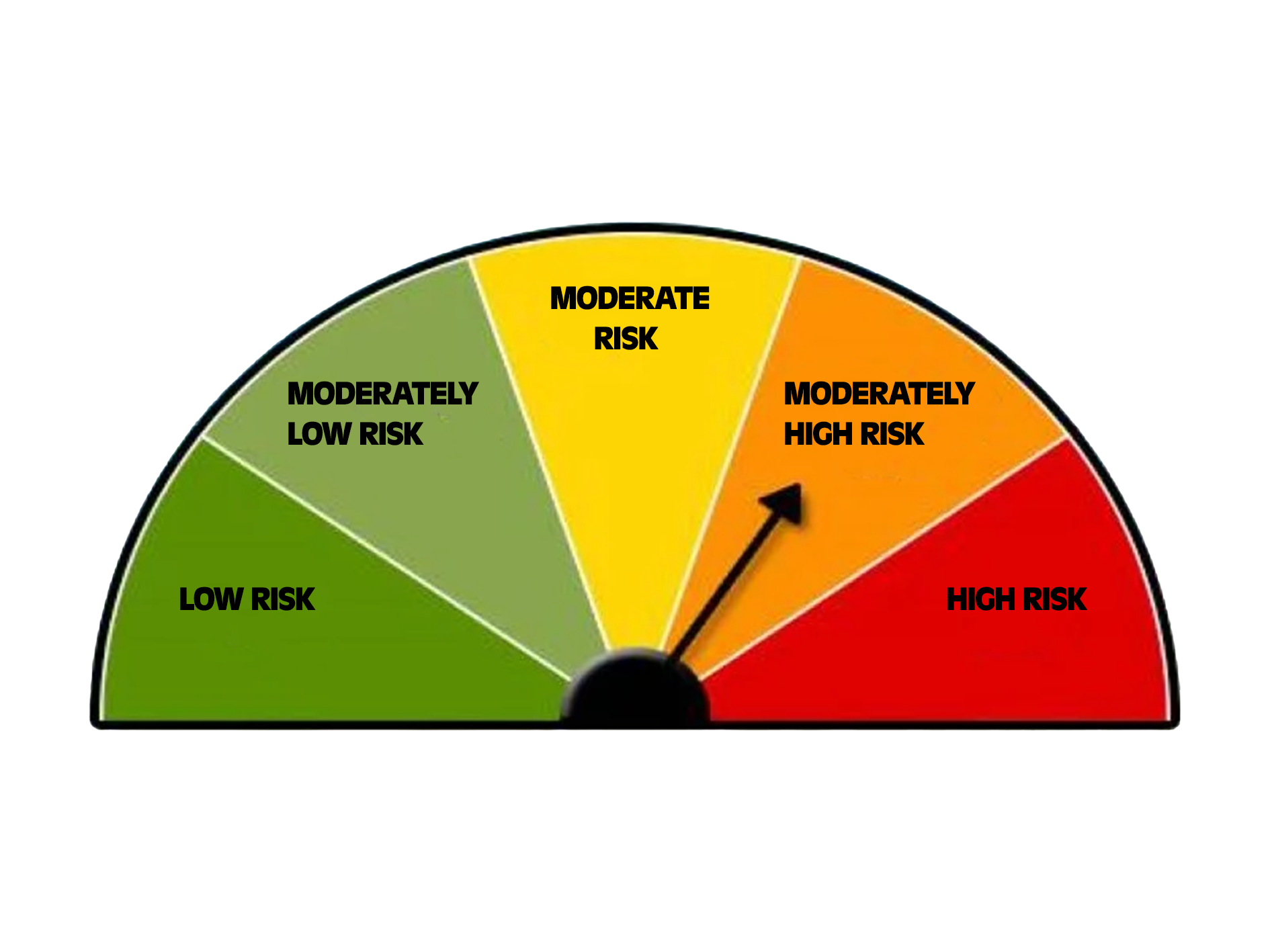
Effective risk management involves identifying, evaluating, and mitigating potential threats. MIS supports this process by analyzing credit, market, and operational risks. It provides timely, accurate, and relevant data that enables banks to make informed decisions and implement appropriate risk control measures. This leads to a more resilient and secure banking environment.
3. Enhancing Customer Relationship Management (CRM)
MIS contributes significantly to Customer Relationship Management by offering a centralized platform for data collection, analysis, and reporting. This allows banks to gain a holistic understanding of customer behavior, enabling personalized services, targeted marketing, and proactive customer engagement. As a result, customer satisfaction and loyalty are improved.
4. Supporting Strategic Decision-Making
MIS is a vital tool for strategic decision-making in banking. It provides accurate and timely information that helps management monitor institutional performance, assess financial stability, and devise investment strategies. Informed decision-making regarding new products, services, and market expansions is facilitated by robust MIS infrastructure.
5. Ensuring Regulatory Compliance
Compliance with regulatory standards is critical in the banking sector. MIS enables banks to monitor and report on key regulatory parameters such as capital adequacy, liquidity ratios, anti-money laundering (AML) compliance, and customer due diligence. This ensures that banks remain aligned with evolving regulatory requirements and reduces the risk of legal and financial penalties.
Conclusion
In conclusion, Management Information Systems are integral to modern banking operations. They enhance efficiency, bolster risk management, improve customer relations, support strategic planning, and ensure regulatory compliance. As the banking sector continues to evolve, the role of MIS will become increasingly indispensable in driving sustainable growth and competitive advantage.
Related Posts: