Introduction
A Management Information System (MIS) is a collection of systems and processes that organizations use to gather, organize, analyze, and present information. MIS plays a vital role by providing essential insights for decision-making, monitoring operations, and facilitating effective communication. By transforming data from various sources into meaningful reports, MIS supports strategic planning, operational efficiency, and daily business activities.
1. MIS in Decision Support
MIS enhances decision-making by providing timely and relevant information, allowing managers to evaluate alternatives, identify trends, and forecast future outcomes. These systems empower decision-makers at all levels to make informed choices, ultimately driving growth and organizational success.
2. MIS in Operational Efficiency
Operational efficiency is significantly improved through MIS by:
- Delivering real-time data
- Automating routine tasks
- Enhancing communication across departments
This leads to streamlined processes, optimized resource allocation, and reduced operational costs.
3. MIS in Performance Tracking
MIS offers centralized, accurate, and up-to-date data that supports performance monitoring. It enables organizations to track progress against goals, highlight areas needing improvement, and make informed decisions based on real-time insights.
4. MIS in Strategic Planning
For strategic planning, MIS provides:
- Data-driven insights
- Support for long-term goal setting
- Guidance in adapting to market changes
It serves as a foundation for crafting and implementing robust business strategies.
5. MIS in Communication
MIS facilitates seamless communication within an organization by offering a centralized platform for:
- Sharing information
- Streamlining workflows
- Promoting collaboration across all levels
This improves the flow of accurate and timely data, supporting better coordination and decision-making.
6. MIS in Data-Driven Insights
MIS enables organizations to transform raw data into actionable intelligence. By analyzing trends and uncovering patterns, businesses gain deeper insight into performance and areas for improvement, supporting smarter, data-backed decisions.
7. MIS in Risk Management
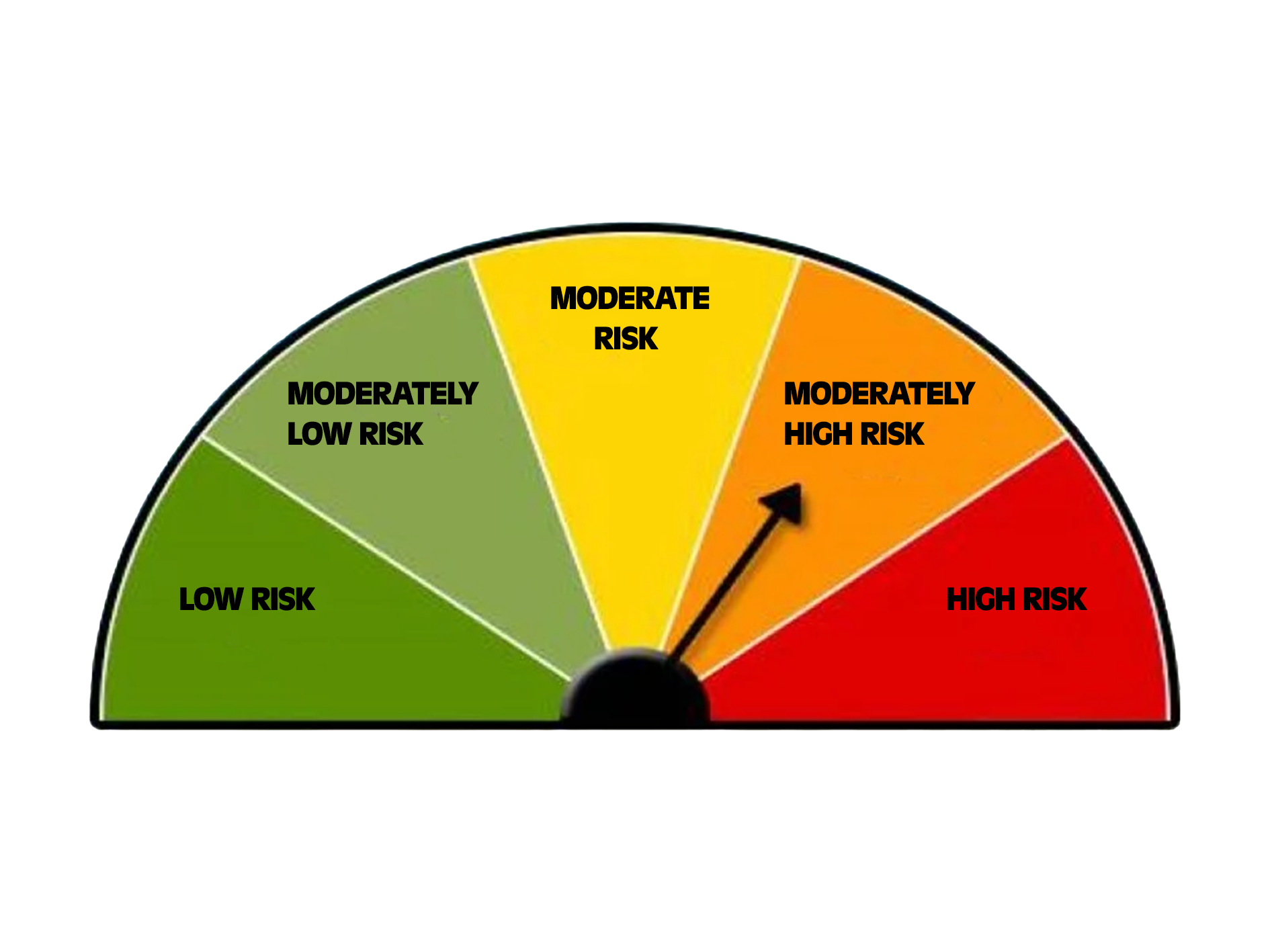
Risk identification, assessment, and mitigation are made more effective through MIS. By integrating data from multiple sources, MIS provides dashboards, alerts, and reports that allow organizations to monitor risks proactively and respond swiftly.
8. MIS in Competitive Advantage
A well-implemented MIS supports competitive advantage by:
- Enhancing decision-making
- Improving operational efficiency
- Encouraging innovation
It equips organizations to respond swiftly to market dynamics and maintain a leading position.
9. MIS in Organizational Change
MIS plays a pivotal role in managing organizational change by:
- Providing data for informed planning
- Supporting smooth implementation
- Enabling real-time monitoring of progress
It ensures agility and continuity during transformation initiatives.
10. MIS in Knowledge Management
MIS supports Knowledge Management by providing infrastructure to:
- Capture and store organizational knowledge
- Enable access and sharing across teams
- Promote collaboration and informed decision-making
This facilitates the retention and effective use of institutional knowledge.
Conclusion
Management Information Systems are indispensable tools in today’s organizations. From strategic planning and operational efficiency to risk management and knowledge sharing, MIS provides the insights and infrastructure necessary to drive innovation, agility, and sustainable success.
Related Posts: