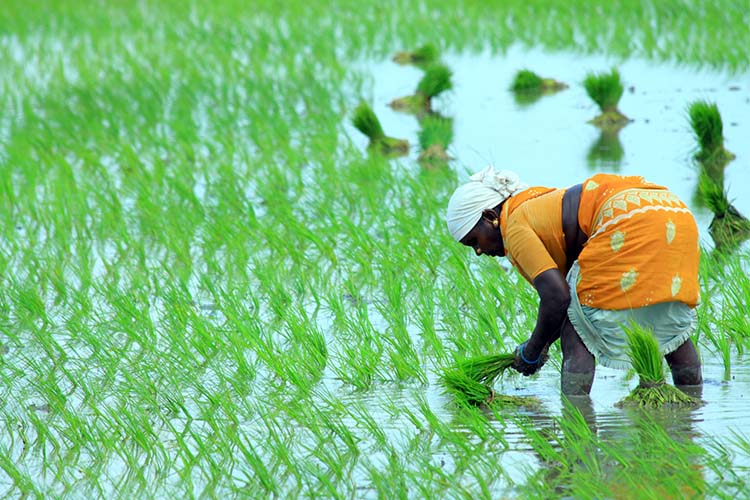
Rural India is characterized by a large population base with improving health and education indicators, a predominantly smallholder agrarian economy alongside expanding non-farm activity, and evolving local institutions that shape development outcomes and financial inclusion priorities.
Population and literacy
- As per Census 2011, 833 million people resided in rural areas (about 68.8% of India’s population), underscoring the developmental and financial inclusion significance of rural markets.
- The Census 2011 literacy rate was 74.04% overall, with male literacy at 82.14% and female literacy at 65.46%, with pronounced rural-urban and gender gaps relevant for service delivery and credit outreach.
- Subsequent survey evidence shows continued improvements; NFHS‑5 (2019–21) provides detailed education, health, and nutrition indicators that correlate with literacy gains and demographic transition in rural areas.
Sixth Economic Census
- The Sixth Economic Census (2013–14) counted 58.5 million establishments, of which 34.8 million (59.48%) were in rural India, highlighting the depth of enterprise activity beyond agriculture in villages.
- About 77.6% of establishments were in non‑agricultural activities (coverage excludes crop production/plantations), indicating a substantial rural services and MSME base with implications for credit, payments, and insurance penetration.
- Establishments covered in the Sixth EC account for roughly 86% of India’s GDP, underlining the census’s relevance for macro and sectoral analysis.
Agriculture census highlights
- The Agriculture Census framework provides the structure of operational landholdings; recent rounds continue to confirm fragmentation and marginal/small holder predominance, shaping credit demand, risk profiles, and input-output markets
- State evidence for 2021–22 (e.g., Telangana) shows rising numbers of holdings and a decline in average holding size, consistent with national patterns that elevate the role of aggregation, FPOs, and value-chain finance in rural credit strategy.
- Operational holding statistics inform targeting for KCC expansion, crop insurance, and mechanization financing, given the smallholder-dominant structure.
Socio‑economic development indicators
- NFHS‑5 documents improvements in key indicators such as fertility, maternal and child health, sanitation, and access to services, with rural‑urban gaps narrowing yet still material for program design and last‑mile delivery.
- NFHS‑5 also captures declines in the under‑15 population share, signaling gradual demographic transition with long‑run implications for rural labor markets and education-investment patterns.
- Policy emphasis on health, nutrition, and WASH in rural areas remains central to inclusive growth and productivity enhancements in the rural economy.
Health and nutrition
- NFHS‑5 provides granular data on immunization, anemia, stunting, wasting, and BMI, crucial for assessing human capital risks that intersect with livelihoods and financial resilience in rural households.
- The national release notes all‑India and state‑wise trends, enabling targeted health financing, micro‑insurance products, and CSR‑linked health infrastructure in rural geographies.
- Improved reproductive health and child nutrition indicators are associated with better educational outcomes and future earning potential in rural cohorts.
Education
- While Census 2011 pegged literacy at 74.04%, subsequent surveys show further gains; however, differential access and outcomes persist across gender and rural‑urban divides, informing education finance and skilling programs.
- Official statistics document lower attainment and adult literacy in rural areas relative to urban, emphasizing need for digital inclusion, school infrastructure, and teacher availability to bridge gaps.
- The improvement trajectory captured by NFHS‑5 supports long‑term workforce quality upgrades essential for rural non‑farm diversification.
Rural‑urban migration
- NFHS‑5 demographic trends, including a falling under‑15 share, interact with migration patterns as households arbitrage employment opportunities; this shapes remittance flows and rural consumption-credit cycles.
- Migration dynamics reinforce the role of interoperable payments, BC networks, and savings-linked products tuned to seasonal or circular migration common in rural India.
- Development of rural enterprises and services documented in the Economic Census can mitigate distress migration by expanding local opportunity sets.
Characteristics of rural society
- Rural society features dense kinship networks, community organizations, and stratified social structures that influence access to assets, education, and finance.
- NFHS‑5 and official literacy data reveal persistent gender and location disparities that map onto social stratification lines, guiding targeted inclusion and credit outreach strategies.
- Community norms and local governance affect uptake of development schemes, financial products, and technology adoption in villages.
Social stratification and local institutions
- Stratification by caste, tribe, and gender shapes landholding patterns and human development outcomes, as reflected in literacy and health differentials in official statistics.
- Local institutions, including Gram Panchayats and community groups, mediate access to entitlements, markets, and finance, impacting program delivery and credit discipline.
- Strengthening inclusive local bodies enhances service delivery, SHG linkages, and last‑mile financial inclusion.
NIRDPR’s role
- The National Institute of Rural Development and Panchayati Raj (NIRDPR) is a premier institution for training, research, and policy support in rural development and local governance, enabling capacity building for Panchayati Raj Institutions and rural stakeholders.
- Its work aligns with priorities surfaced in NFHS and economic census data, including livelihoods, MGNREGA effectiveness, SHG ecosystems, and decentralized planning.
- Knowledge products from NIRDPR inform best practices for convergence of schemes at the village level, which is critical for financial inclusion and development outcomes.
Economic features
- Agriculture remains foundational in rural livelihoods, while non‑farm activities account for the majority of establishments, demonstrating diversification toward services and MSMEs in villages.
- Agricultural situation reports emphasize the centrality of operational landholdings in rural economic structure, shaping input finance, marketing, and risk management.
- Diversification supports credit demand for trade, transport, construction, and rural services, complementing crop and allied activity financing.
GDP, GVA, and rural enterprise
- Activities covered in the Sixth Economic Census account for about 86% of GDP, offering a meaningful window into sectoral composition that underpins national income and rural demand.
- The enterprise distribution across primary, secondary, and tertiary sectors indicates a large rural services base, affecting payments ecosystems, working capital cycles, and credit underwriting.
- Enterprise growth between 2005 and 2013 was robust, with higher urban growth but significant rural expansion as well, implying deepening market opportunities.
Rural money markets
- Rural finance spans formal channels (banks, RRBs, cooperatives, NBFCs) and informal lenders, with access shaped by landholding size, documentation, and local networks.
- The smallholder structure and cyclical agri incomes necessitate flexible working capital, KCCs, warehouse receipt finance, and insurance to reduce reliance on high‑cost informal credit.
- Strengthening SHG‑bank linkages and BC networks can shift borrowing from informal to formal sources, improving household balance sheets over time.
Rural indebtedness and poverty
- Rural indebtedness reflects both consumption smoothing and production credit gaps; enterprise data and landholding statistics help calibrate collateral‑light products and risk‑based pricing.
- Poverty measurement has evolved, but persistent multidimensional deprivation in health, education, and living standards remains more acute in rural areas per survey indicators.
- NFHS‑5 metrics on nutrition, sanitation, and access to utilities are vital inputs for multidimensional poverty assessments and targeted interventions.
Measuring the poverty line
- India has used consumption‑based poverty lines, while multidimensional metrics increasingly inform policy; NFHS‑based indicators are often components of such approaches.
- Program targeting and financial inclusion benefit from combining income/consumption metrics with human development indicators to identify vulnerable rural households.
- The shift toward multidimensional frameworks aligns with SDG monitoring across health, education, gender, and infrastructure in rural India.
Sustainable Development Goals (SDGs)
- Rural progress is central to SDGs on no poverty, zero hunger, good health, quality education, gender equality, decent work, industry‑innovation, reduced inequalities, and clean energy.
- NFHS‑5 trajectories on fertility, nutrition, WASH, and women’s empowerment provide evidence for SDG advancement at scale in rural settings.
- Enterprise expansion and services growth documented in the Economic Census supports SDG‑linked inclusive growth and employment in rural India.
Infrastructure in India
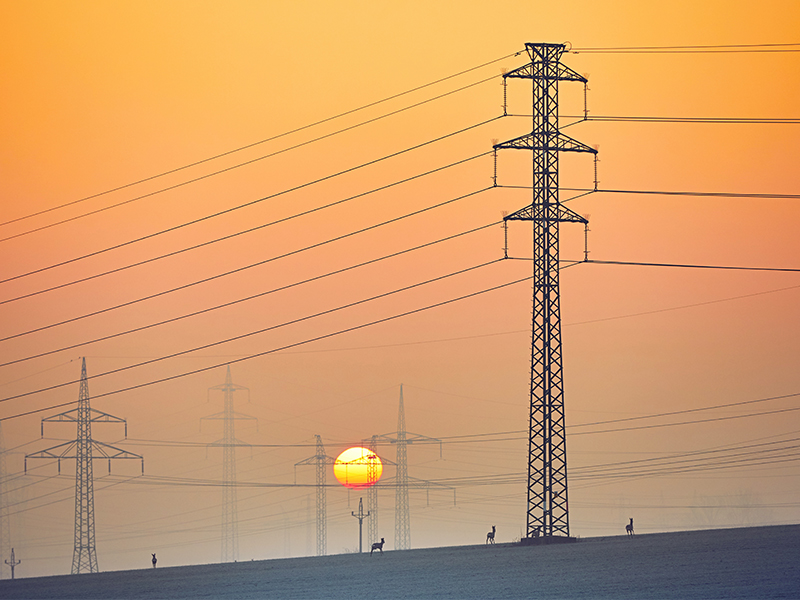
- Rural infrastructure—roads, electrification, markets, storage, health and education facilities—drives productivity, lowers transaction costs, and broadens access to finance.
- National projections and sectoral reports emphasize a rising working‑age share and the need to align infrastructure with demographic shifts for sustained rural growth.
- Infrastructure upgrades enable digital public infrastructure usage in rural finance, including Aadhaar‑enabled payments and credit analytics.
Transport and markets
- Connectivity improves access to input and output markets for smallholders and MSMEs, increasing market integration and price realization in rural areas.
- The large rural enterprise base supports local market ecosystems, retail expansion, and logistics services requiring tailored financing and payments solutions.
- Better transport catalyzes non‑farm job creation, linking rural producers to regional and national value chains.
Rural electrification
- Expanded electrification has enabled productivity gains and adoption of digital services, with health and education spillovers in rural communities.
- Electrification facilitates agri processing, cold chains, and service enterprises, raising credit demand for equipment and working capital.
- Reliable power is a prerequisite for scaling rural digital finance, fintech adoption, and e‑commerce.
Other essential services
- Health, education, water, sanitation, and digital connectivity are foundational for human capital and enterprise performance in rural India.
- NFHS‑5 indicators on WASH, insurance coverage, and women’s decision‑making inform inclusive product design for banking and micro‑insurance.
- Service access gaps map to social and geographic stratification, requiring granular targeting and partnerships with local institutions for effective delivery.
Markdown table: quick contrasts for practitioners
| Theme | Rural snapshot |
| Population | 833 million rural residents in Census 2011; majority share of national population |
| Literacy | 74.04% overall in 2011; rural‑urban and gender gaps material for inclusion |
| Enterprises | 34.8 million rural establishments in Sixth EC; services dominate |
| Landholdings | Smallholder predominance; average holding sizes declining in state examples |
| Health/Nutrition | NFHS‑5 shows improvements with persistent gaps guiding targeting |
| Infrastructure | Transport, power, and markets drive productivity and finance adoption |
Actionable implications for banking and financial services
- Prioritize smallholder and rural MSME finance with diversified products: KCCs, WC lines, invoice/WR finance, and micro‑insurance, recognizing fragmented landholdings and service‑sector growth in villages.
- Use NFHS‑5 micro‑indicators to target women‑centric products, health‑linked insurance, and sanitation/clean energy financing that mitigate vulnerability and enhance creditworthiness over time.
- Deepen BC networks, SHG/JLG linkages, and digital rails in high‑enterprise but under‑served rural blocks to shift borrowing from informal to formal sources sustainably.
CAIIB Rural Banking related article (elective)