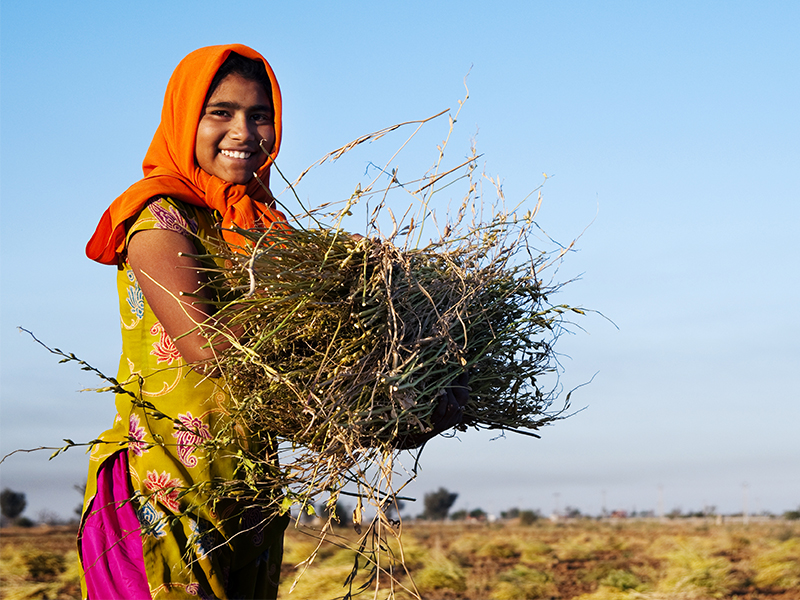
India’s rural development agenda blends targeted schemes, infrastructure finance, and structural reforms to raise incomes, build resilience, and close the rural–urban gap in opportunities and services.
Rural development schemes
- Flagship programs span livelihoods, housing, sanitation, electrification, infrastructure, and “rurban” cluster development to deliver urban-like amenities while preserving rural community life.
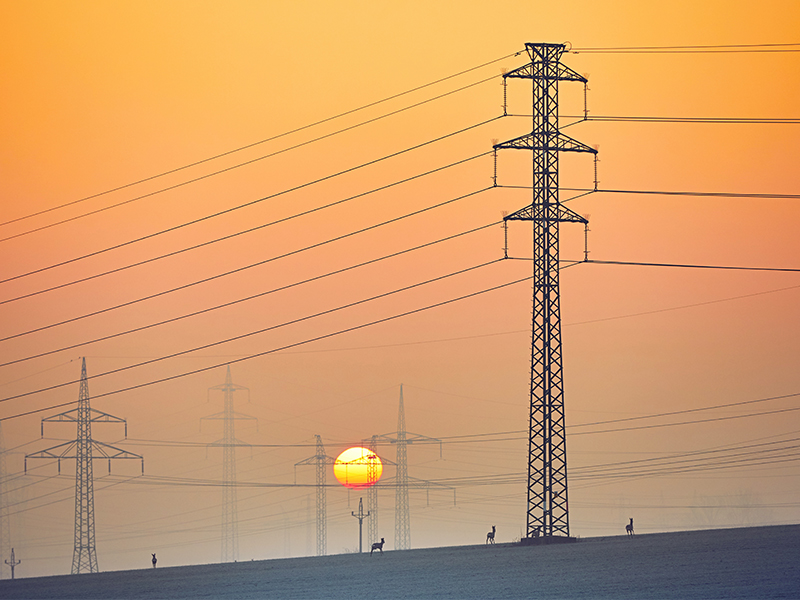
- Household electrification under Saubhagya and feeder segregation plus rural distribution strengthening under DDUGJY have accelerated last-mile access and reliability, complementing broader rural welfare initiatives.
Skill and entrepreneurship
- Rurban clusters embed skill development and enterprise support linked to local value chains, with components such as training tied to agro-processing, services, and digital citizen centres to catalyze local jobs.
- Mission design emphasizes converging multiple schemes and attracting private investment to deepen entrepreneurship ecosystems in rural markets.
Shyama Prasad Mukherji Rurban Mission (SPMRM)
- SPMRM develops 300 “Rurban” clusters by converging schemes and gap-funding to provide urban-like infrastructure and services while strengthening local economic activity.
- Funding blends convergence (about 70%) with critical gap funding up to Rs 30 crore for non-tribal and Rs 15 crore for tribal clusters, targeting water, sanitation, health, roads, skills, waste systems, and digital access.
Backward area programs
- Rurban design explicitly prioritizes geographically connected village clusters around growth centres in lagging regions, with emphasis on essential services and agriculture-allied livelihoods to reduce intra-state disparities.
- Cluster selection criteria and components aim to crowd-in investment and address service deficits in backward belts through holistic planning and convergence.
Power supply to rural India
- DDUGJY reoriented rural supply through feeder segregation and distribution strengthening, while Saubhagya delivered household connections to 2.86 crore families, shifting the unit of electrification from villages to households.
- India’s power shortfall has fallen to 0.1% in 2024–25, improving quality and availability for rural consumers and enterprises alongside expanded installed capacity.
Dryland farming development
- Rurban clusters and convergence components prioritize agriculture and allied activities, enabling investments in water efficiency, storage, and value addition that are critical for semi-arid and dryland zones.
- Program menus include agro-processing, warehousing, and skills that support climate-resilient practices and market linkages for dryland farmers.
Soil and water conservation
- Mission components include piped water, solid–liquid waste management, and inter-village connectivity, which complement watershed and conservation investments financed through pooled schemes and infrastructure funds.
- RIDF eligible activities cover irrigation, soil conservation, and water resource schemes with loan coverage up to 80–95% of project cost to states and their agencies.
Rural Infrastructure Development Fund (RIDF)
- Set up in 1995–96 within NABARD, RIDF finances state and state-entity rural infrastructure across agriculture, social, and connectivity sectors; cumulative allocations reached Rs 4,98,411 crore by 2023–24 (RIDF XXIX).
- Loans are generally reimbursed to states with 7-year tenors (2-year grace), bank-rate linked interest, and high financing shares for eligible projects; 39 activity categories are currently notified.
Economic reforms
- Reforms have focused on improving infrastructure financing (RIDF), public–private convergence in rural clusters (SPMRM), and distribution-sector improvements to enhance service delivery and investment climates.
- Electrification reforms transitioned metrics from village to household access, introducing IT-enabled beneficiary identification and contractor-led execution for speed and transparency.
Financial sector reforms
- NABARD’s role as apex financier for rural infrastructure via RIDF aligns financial intermediation with state-level execution, linking loan pricing to the bank rate and strengthening project discipline and rollouts.
- RIDF’s design enables multi-year implementation windows and coverage of cost escalation under defined criteria, improving completion of critical rural assets.
Impact of reforms on rural economy
- Household electrification and reduced power deficits have supported rural enterprises, cold chains, and service delivery, moving the needle from access to reliability and quality of supply.
- Rurban clusters are helping bridge rural–urban divides through skills, digital services, and infrastructure convergence, spurring local economic development and social outcomes.
Reforms after 1998–99
- The 1995–96 RIDF model matured into a large-scale, steady pipeline financing mechanism; by 2023–24, allocations scaled sharply with diversified eligible categories and standardized terms.
- Post-2014, DDUGJY and Saubhagya accelerated rural power connectivity and distribution strengthening, while SPMRM (launched 2016) institutionalized cluster-based, convergent planning in rural India.
CAIIB Rural Banking related article (elective)