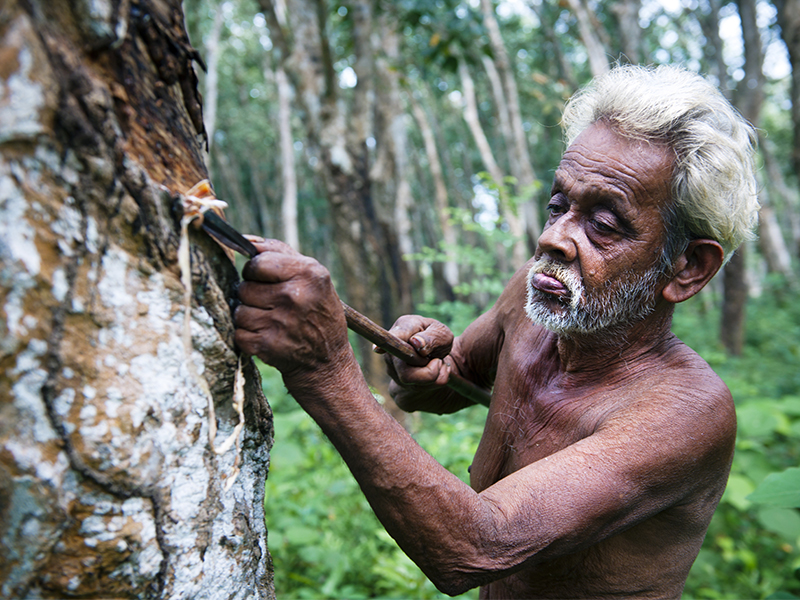
The Shyama Prasad Mukherji Rurban Mission (SPMRM), launched in 2016 by the Government of India, is a visionary program designed to transform rural India. Its core idea is to develop Rurban Clusters—groups of villages with growth potential—into sustainable hubs that balance the best of rural traditions with modern urban facilities.
The mission seeks to bridge the rural–urban divide by improving infrastructure, creating jobs, reducing poverty, and attracting investments while preserving the unique essence of rural life.
Key Objectives of SPMRM
* Bridge the Rural–Urban Gap: Integrate rural regions with urban-like facilities, services, and opportunities.
* Boost Local Economic Development: Encourage entrepreneurship, skill development, and livelihood generation to reduce unemployment and poverty.
* Develop Rurban Clusters*: Transform selected clusters of villages into well-planned growth centers.
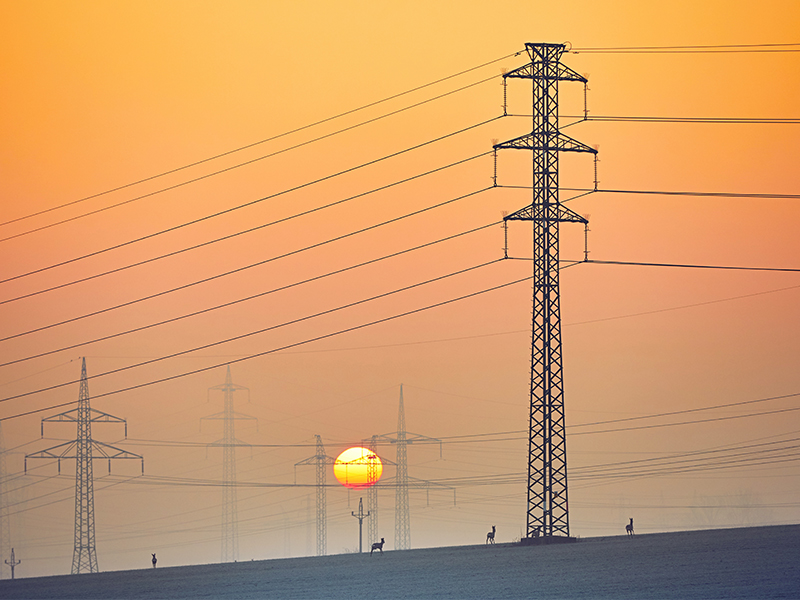
* Enhance Basic Services: Provide essential amenities such as roads, electricity, sanitation, healthcare, and education.
* Attract Investment: Create an enabling environment for investments to support long-term rural development.
How the Mission Works
1. Identifying Rurban Clusters: Villages with strong economic drivers or locational advantages are selected.
2. Convergence of Schemes: Various government schemes are brought together for holistic development.
3. Critical Gap Funding (CGF): Additional financial support is provided to cover gaps in infrastructure and services.
4. Integrated Cluster Action Plans (ICAPs): Tailored plans are created for each cluster to guide growth.
5. Local Participation: Panchayati Raj Institutions (PRIs) play an active role in planning, implementation, and monitoring.
Real-World Examples of Rurban Clusters in India
The SPMRM has been implemented across several states, with notable clusters showing how rural development can be transformed:
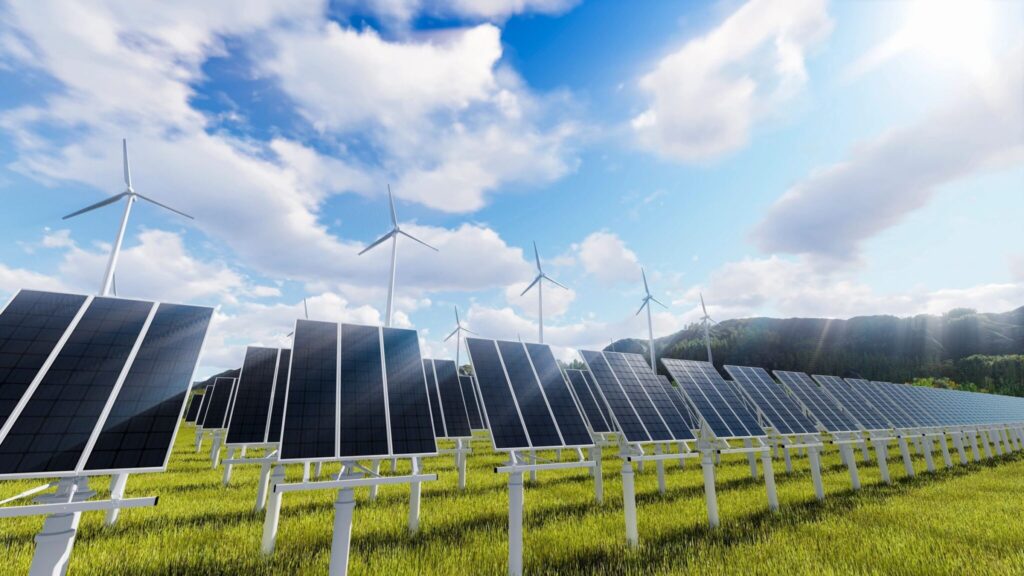
* Gandhinagar, Gujarat: Focused on solar energy projects, improved water supply, and modernized skill training centers to boost employment.
* Thanjavur, Tamil Nadu**: Known for developing agro-processing units, rural tourism, and cultural heritage promotion.
* Solapur, Maharashtra: Emphasized textile-based industries, improved housing, and better sanitation facilities.
* Sundargarh, Odisha: Prioritized healthcare infrastructure and rural connectivity projects, helping tribal communities access basic services.
* Chhindwara, Madhya Pradesh: Strengthened agriculture-based industries, irrigation facilities, and skill-building programs.
These examples highlight how the mission adapts to local strengths—whether agriculture, industry, or tourism—ensuring region-specific growth.
Expected Outcomes
* Integrated Development: Balanced growth that connects rural life with urban opportunities.
* Economic Growth: New jobs, poverty reduction, and stronger local economies.
* Improved Quality of Life: Better roads, healthcare, education, and public amenities for rural citizens.
Final Note
The Shyama Prasad Mukherji Rurban Mission is not just about infrastructure—it’s about empowering villages to become self-reliant hubs of development. With successful examples across India, the mission shows how rural India can evolve while holding on to its cultural roots.
CAIIB Rural Banking related article (elective)