

What is Customer Due Diligence (CDD) under AML risk management in Banks?
In the realm of risk management and compliance, Customer Due Diligence (CDD) is a pivotal player. The Customer Due Diligence meaning, often abbreviated as CDD, is a process that financial institutions, businesses, and other organisations use to gather information about their customers and clients to identify and mitigate risks such as money laundering, financing terrorism,…
Read article
Capital Adequacy – Revised definition of Trading Book
The Reserve Bank on Wednesday notified that the revised definition of trading book for capital adequacy in terms of MD on investments dated September 12, 2023. As per the guidelines, the investment portfolio would be categorized into 3 categories viz. Held to maturity (HTM), Available for sale (AFS), and Fair Value through Profit and Loss…
Read article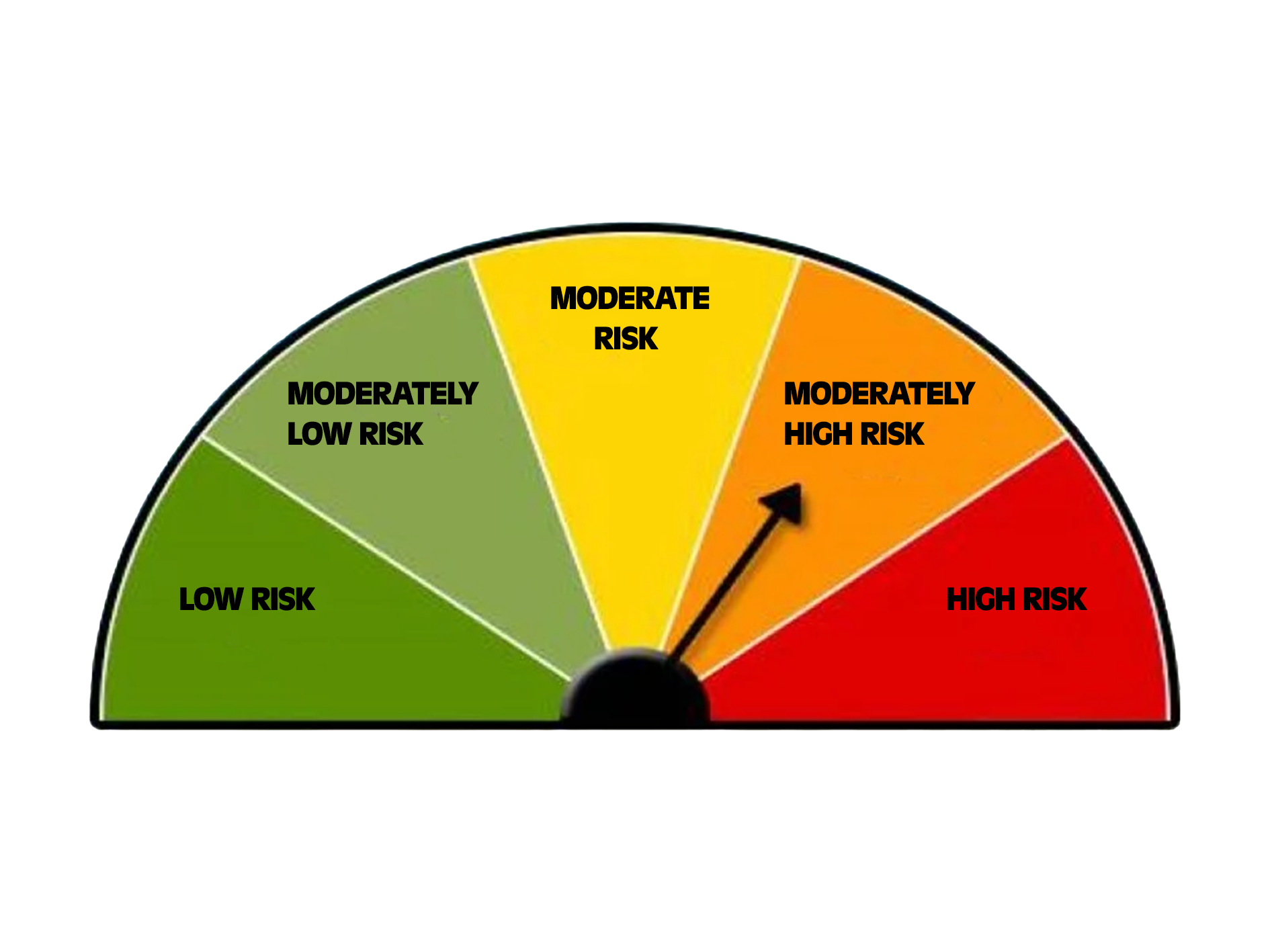
Risks Associated with Investments in Mutual Funds explained
Mutual Fund Schemes are not guaranteed or assured return products. Remember, past performance does not guarantee the future performance of any Mutual Fund Scheme. Different mutual fund categories are exposed to different kinds of risks depending on their investment objective and style. The level of risk associated with the principal amount invested in a mutual…
Read article Do you know the use of Riskometer to Mutual Fund investors?
Whenever you open a scheme-related document, one of the first things you will see is a semicircle with an arrow pointing towards the ‘Risk’ levels associated with that fund. In 2015, SEBI introduced the ‘Riskometer’ as a benchmark of risk in the given scheme. Before that, fund houses would colour code risk in blue, yellow,…
Read article
RBI guidance on Credit Default Swap
A credit default swap (CDS) is a contract between two parties in which one party purchases protection from another party against losses from the default of a borrower for a defined time. The protection buyer makes periodic payments (premium) to the protection seller until the maturity of the contract or the credit event, whichever is…
The meaning of ‘going concern and gone concern’ entities
In accounting parlance, a going concern is a business that is assumed to be able to meet its financial obligations when they become due. In the case of a ‘Going Concern’ entity, statutory auditors do not foresee the threat of liquidation for the foreseeable future, which is usually regarded as at least the next 12…
Read article