

Explained: Person of Indian Origin (PIO) Vs. Overseas Citizen of India (OCI)
PIO (Person of Indian Origin) and OCI (Overseas Citizenship of India) are special immigration statuses offered by the Government of India to people of Indian descent living abroad, providing them with significant rights and benefits without granting full citizenship. What is PIO? PIO refers to a foreign citizen (excluding those from Pakistan, Bangladesh, or certain…
Read article
FCNR(B) Deposits: Complete Guide to Opening and Closure
A Complete Guide to Opening, Features, and Closure Foreign Currency Non-Resident (Bank) [FCNR(B)] deposits provide Non-Resident Indians (NRIs) with a secure and efficient way to invest their foreign earnings in India while protecting both principal and interest from exchange rate fluctuations. Governed by Reserve Bank of India (RBI) guidelines, FCNR(B) deposits also offer tax-free interest…
Read article
Name Change after Marriage? RBI’s KYC Relaxation under PML Rules Explained
Background: PML Rules and Name Change The Prevention of Money-laundering (Maintenance of Records) Rules, 2005 define what constitutes an officially valid document (OVD) for KYC purposes. To ease difficulties faced by individuals whose names change after marriage or otherwise, the Government notified the Prevention of Money-laundering (Maintenance of Records) Third Amendment Rules, 2015 (G.S.R. 730(E)…
Read article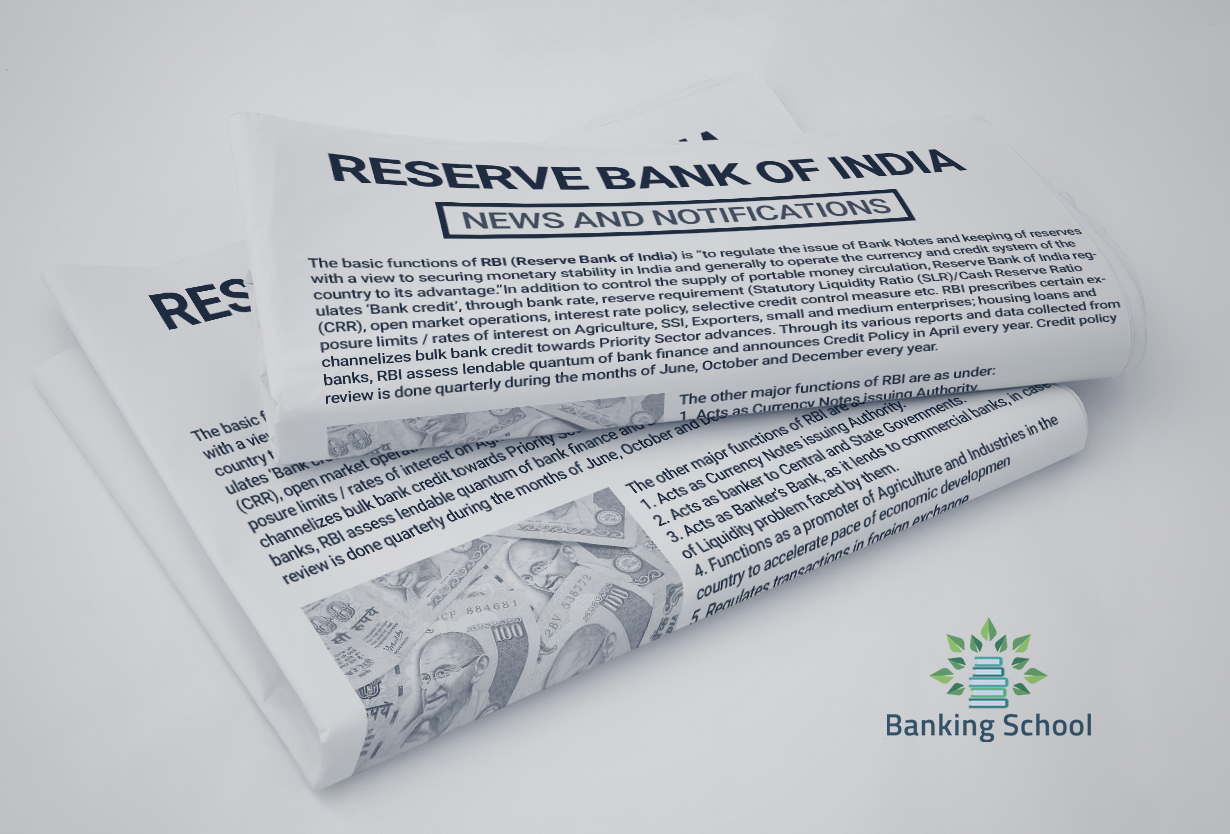
RBI’s KYC Reset 2025: What the New Directions Mean for Banks, Payments and Customers
Key Takeaways for Banks and Customers The Reserve Bank of India (Commercial Banks – Know Your Customer) Directions, 2025 represent a comprehensive reset of the KYC framework for commercial banks. Replacing the long-standing 2016 KYC Master Direction, the new Directions harmonise KYC references across the banking and payment ecosystem while strengthening customer due diligence, accountability,…
Read article
RBI’s New 15‑Day Rule: Uniform Claim Settlement Norms for Deceased Accounts
The RBI has now put in place a uniform, time‑bound framework for settlement of claims in respect of deceased customers’ deposits, replacing the earlier patchwork of circulars and ensuring standard procedures across banks. The new Directions mandate simplified documentation, defined thresholds for small-value claims, a strict 15‑day turnaround time (TAT), and compensation for delay, thereby…
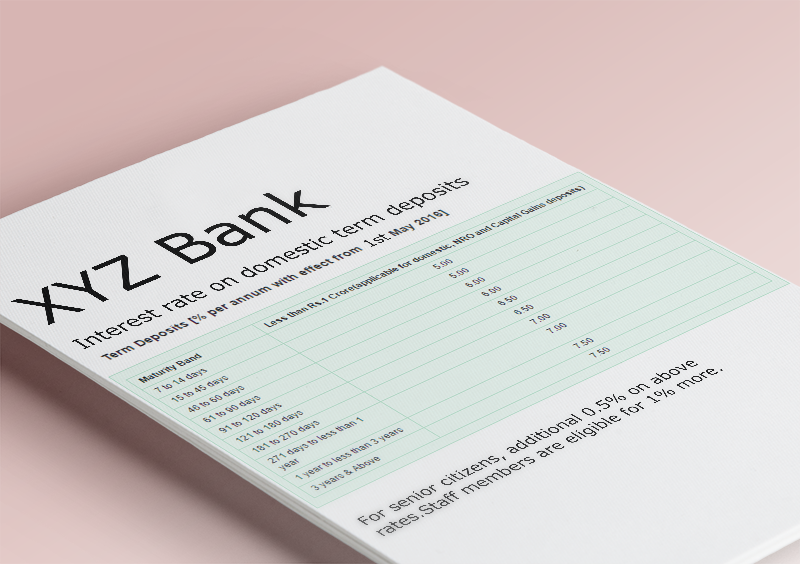
RBI Mandates on Uniform Savings Account Interest Rates
The Reserve Bank of India (RBI) has issued guidelines mandating uniformity in interest rates on savings bank (SB) deposits to ensure transparency, fairness, and non-discrimination among depositors. These guidelines apply to all scheduled commercial banks, including public sector, private sector, and foreign banks operating in India. Uniform Rate up to ₹1 Lakh Banks must offer…
Read article