

Bank finance under PMEGP scheme
(This article clarifies on who is eligible ( the age, limit, qualification) including quantum of subsidy, bank loan and money to be bought up by the entrepreneur to start up a business for bank finance under PMEGP scheme.) Any individual, above 18 years of age. At least VIII standard pass for projects costing above Rs.10 lakh…
Read article
Comprehensive Credit Guidelines for Pisciculture (Fish Farming) Loans: Banking SOP
Pisciculture lending involves financing fish farming activities end-to-end—from pond creation and seed stocking to feed, health care, harvesting, and marketing—with bank SOPs focusing on borrower selection, project viability, risk controls, and compliant disbursement-monitoring cycles. Banks generally offer term loans for assets (ponds, raceways, cages, aerators, hatchery equipment) and working capital/cash credit for recurring inputs (seed/fingerlings,…
Read article
🌱 How to Apply for a PMEGP Loan Online
The Prime Minister’s Employment Generation Programme (PMEGP) is a credit-linked subsidy scheme that helps people start their own small businesses. It is managed by the Ministry of MSME and implemented by the Khadi and Village Industries Commission (KVIC) along with State Khadi Boards and District Industries Centres. The scheme aims to promote self-employment and create…
Read article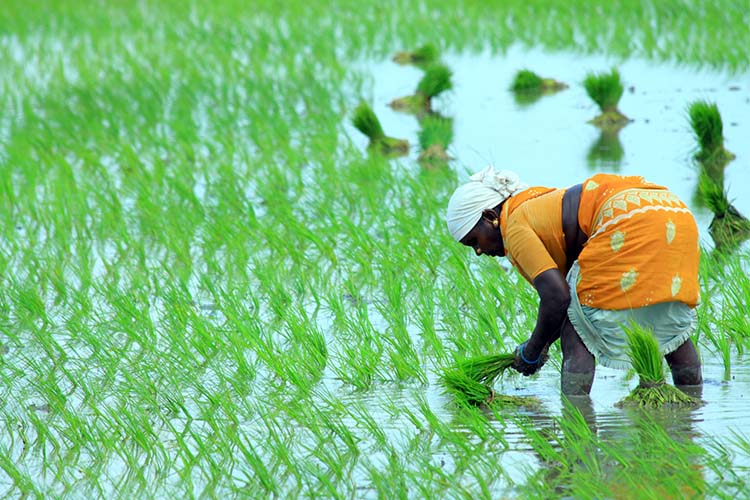
What is the concept of Priority Sector Lending?
Traditionally, banking was unknown to present day concept of priority sector lending. The commercial banks in India used to provide security oriented finance to trade and industry. Big industrial houses and traders were beneficiaries of security oriented lending concept and a large chunk of bank finance was enjoyed by them. The National Credit Council in…
Read article
How RBI Guides Banks on Livelihood Missions, Disaster Relief, and Inclusive Credit for SCs, STs, and Minorities
The Reserve Bank of India (RBI) periodically consolidates and updates its regulatory guidelines to ensure banks deliver credit in a structured, inclusive, and resilient manner. The latest frameworks matter now because they address three critical fronts: (i) livelihood promotion through ongoing programs such as DAY-NRLM, while formally closing DAY-NULM, (ii) standardized relief measures for borrowers…
RBI’s Drive for Financial Inclusion and Literacy: Frameworks, Outcomes, and Poverty Alleviation
Strategic Frameworks The Reserve Bank of India (RBI) anchors its financial inclusion and financial literacy initiatives through two key national strategies: the National Strategy for Financial Inclusion (NSFI 2019–2024) and the National Strategy for Financial Education (NSFE 2020–2025). These strategies coordinate the efforts of regulators, governments, and market participants to expand access, usage, quality, and…
Read article