

What are depository receipts –ADR, GDR and IDR?
A depository receipt or depositary receipt (DR) is a negotiable financial instrument that represents a foreign company’s (issuing company which is incorporated outside India) publicly traded debt or equity in domestic exchanges. The depository receipts (DRs) which are created by a Domestic Depository bank against the underlying equity shares of the issuing company are termed…
Read article
Packing Credit- Running Account
In the cases of commodity exports, the exporters have to procure raw material, manufacture the export product and keep the same ready for shipment, in anticipation of export orders from the overseas buyers. This is in view of, seasonal availability of raw materials or when the time taken for manufacture and shipment of goods is…
Read article
Meaning of Normal Transit Period and Notional Due Date
Normal Transit Period (NTP) is commonly misunderstood for the time taken for the goods to reach the destination. It is not so. The term Normal Transit period (NTP) used for the average period normally involved from the date of negotiation/ purchase/ discount of a bill, till the credit of that bill proceeds in the Nostro…
Read article FAQs on opening EEFC accounts
(This post elucidates information on who can open EEFC account, the documents required for opening EEFC account, what are the permissible credits and permissible debits allowed in the EEFC account) What is EEFC account? Ans.: EEFC account is the abbreviation of Exchange Earners Foreign Currency account. In this account the account holder maintains a current…
Read article Factors why Rupee falling against Dollar
The first two decades after independence, India had almost a constant peg against the US dollar at Rs.4.75/$, how the value of Indian Rupee drifted down to present level? In replying to the above question, I would like to add-on how our economy has been time and again battered due to various factors which led…
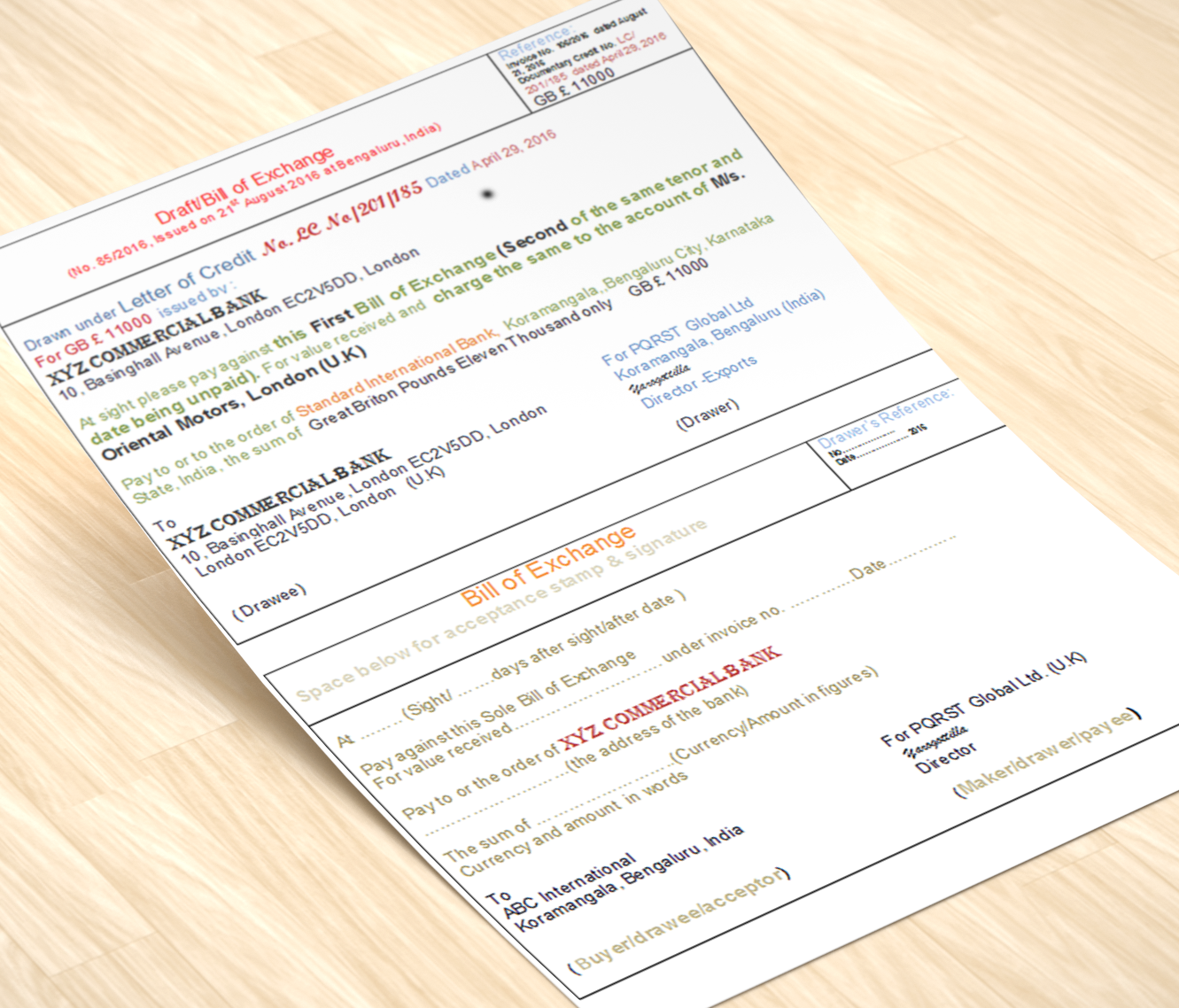
What is co-acceptance of bills?
Co-acceptance of bills means “an undertaking from the third party (Bank) to make payment to the drawer of the bill (seller/exporter) on due date even if the buyer/importer fails to make the payment on that date”. Thus, in the Co-acceptance of the bills, the bank which stands as co-accepter acts as a guarantor similar to LC…
Read article