The profitability of banks in India is shaped by a multitude of factors, ranging from internal bank-specific attributes—such as size, capital adequacy, asset quality, liquidity, and operational efficiency—to broader macroeconomic indicators including GDP growth, inflation, and unemployment rates.
Bank-Specific Factors
Bank Size
In the Indian banking landscape, an increase in bank size typically has a positive influence on profitability, albeit up to a certain threshold. While larger institutions often benefit from economies of scale and greater opportunities for diversification, factors such as operational efficiency, credit risk exposure, and the level of non-performing assets (NPAs) significantly mediate this relationship. Empirical studies suggest a positive correlation between total assets and profitability, indicating that larger banks tend to generate higher earnings.
Capital Adequacy
Capital adequacy, measured by the Capital Adequacy Ratio (CAR), is a critical determinant of a bank’s stability and profitability. In India, regulatory standards mandate a minimum CAR of 9%, which increases to 12% when including the capital conservation buffer. Additionally, the Tier 1 capital requirement is set at 7%, exceeding Basel III norms by one percentage point. Tier 1 capital—comprising primarily share capital and disclosed reserves—is considered the highest quality capital due to its ability to absorb losses. A robust capital base not only enhances risk-bearing capacity but also supports sustainable profitability.
Asset Quality
The quality of a bank’s assets, particularly its loan portfolio, is instrumental in determining profitability. In recent years, Indian banks have witnessed an improvement in asset quality, with Gross Non-Performing Assets (GNPA) declining to a 13-year low. This development has had a favorable impact on profitability, as reflected in the significant increase in net profits. However, emerging stress in segments such as unsecured retail lending and microfinance may pose future risks to asset quality.
Liquidity
Liquidity management is essential for ensuring a bank’s ability to meet short-term obligations and withstand economic shocks. In India, maintaining optimal liquidity levels is critical—while excessive liquidity can constrain profitability, inadequate liquidity may jeopardize solvency. Striking the right balance is thus vital for operational stability and financial performance.
Operational Efficiency
Operational efficiency, encompassing effective cost control, resource utilization, and technological advancement, is a key driver of profitability. Indian banks that excel in managing operational costs and enhancing productivity tend to outperform their peers in terms of return on assets and overall financial performance.
Management Efficiency
Efficient management practices, particularly in areas such as risk mitigation and strategic asset allocation, contribute substantially to profitability. Empirical evidence suggests that banks with robust performance management frameworks—focused on value creation and operational excellence—exhibit superior profitability metrics, including Return on Assets (ROA) and Return on Equity (ROE).
Income Diversification
Income diversification is positively associated with enhanced profitability in Indian banks. A diversified income stream—incorporating both interest and non-interest income—mitigates risk exposure and supports financial resilience. The cost-to-income (CTI) ratio serves as a valuable indicator of efficiency in this context. Diversification, as a strategic approach, aids in stabilizing revenue streams and fostering long-term profitability.
Macroeconomic Factors
Economic Growth (GDP)
India’s economic growth, as reflected in GDP trends, plays a pivotal role in bank profitability. A growing economy typically stimulates demand for credit and broadens financial activity, thereby enhancing banks’ earnings potential.
Inflation
The impact of inflation on bank profitability is complex. While rising inflation often prompts central banks to increase interest rates—potentially boosting interest income—persistent inflation can reduce loan demand, increase defaults, and erode investment returns. The empirical literature on India presents mixed findings, with some studies indicating a negative correlation between inflation and profitability, while others report limited or no significant effect.
Unemployment
Elevated unemployment levels negatively affect banking profitability by diminishing loan demand and increasing the probability of loan defaults. This, in turn, can lead to a rise in NPAs, thereby undermining financial performance.
Interest Rates
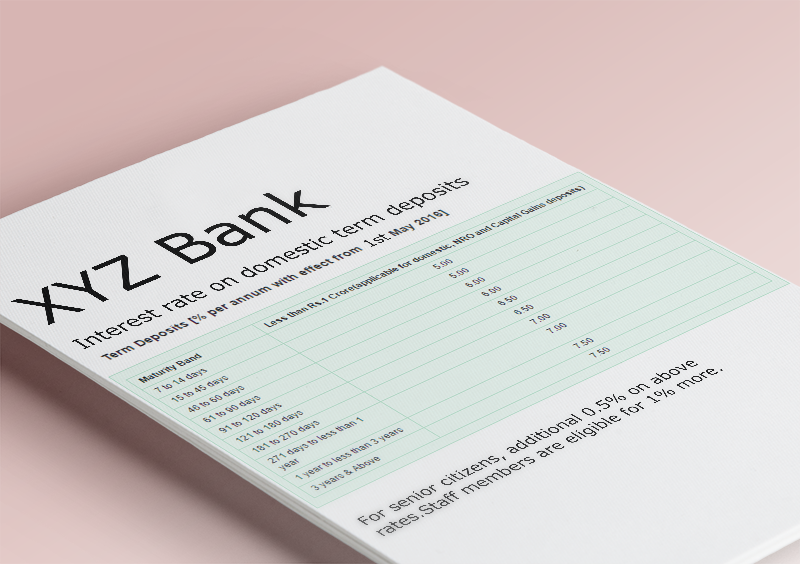
Interest rate fluctuations significantly influence bank profitability in India. Higher interest rates typically enhance earnings through increased yields on lending and investments, whereas lower rates compress net interest margins (NIM)—a key determinant of profitability. Banks earn profits by lending at rates higher than those paid on deposits, and this spread is fundamental to their business model.
Market Concentration
The structure of the banking industry—particularly the level of market concentration—can also impact profitability. While reduced competition may imply higher market power and potential margins, excessive concentration can diminish innovation and efficiency, thereby limiting profitability.
Conclusion
The profitability of Indian banks is determined by a dynamic interplay of internal and external factors. Sound internal management practices, strong capital positions, and prudent asset quality monitoring are essential. Simultaneously, a stable and conducive macroeconomic environment further reinforces banks’ ability to generate sustainable profits. A comprehensive understanding of these factors is vital for policymakers, stakeholders, and banking professionals aiming to enhance the resilience and performance of the Indian banking sector.
Related Posts: