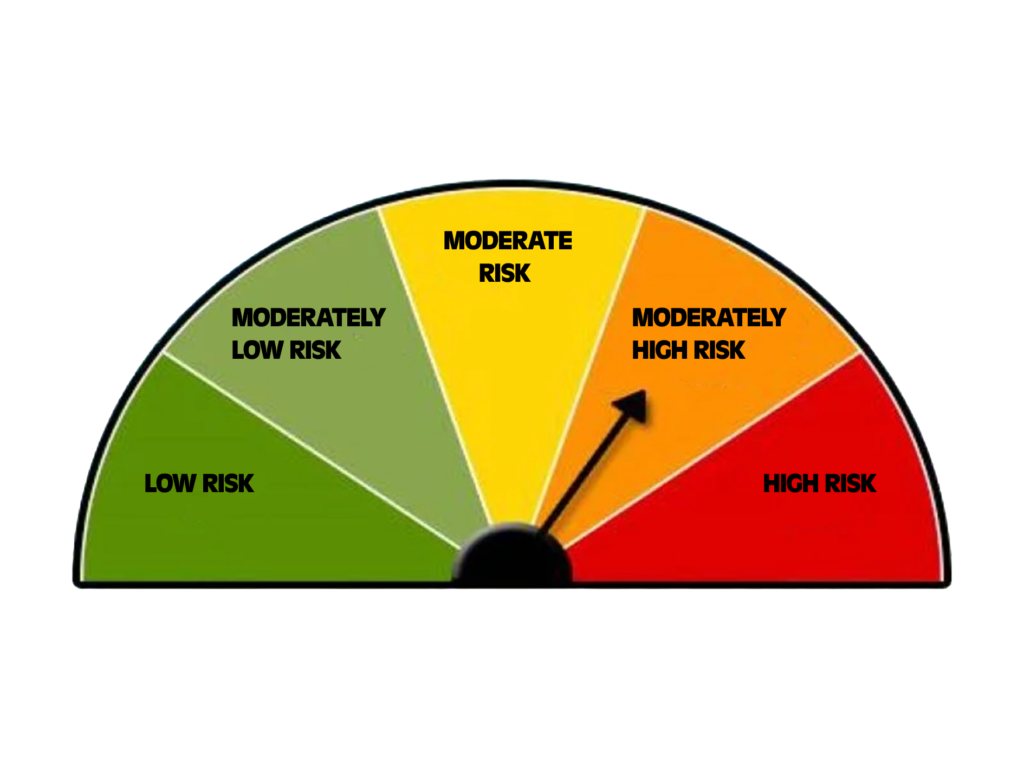
In today’s digital-first world, technology risk has become a critical concern for every organization. The growing dependence on information systems, connectivity, and data-driven decision-making brings immense opportunities—but also exposes enterprises to cyber threats, data breaches, and systemic vulnerabilities. Information security (InfoSec) forms the backbone of managing technology risk and ensuring resilience against the ever-changing threat landscape.
This article explores the foundational aspects of information security, including core principles, governance frameworks, organizational roles, critical components, and specific defense measures against malware.
Basic Principles of Information Security
Information security is guided by three universally accepted principles, often summarized as the CIA Triad:
- Confidentiality – Ensuring sensitive information is accessible only to authorized users, preventing misuse or unauthorized disclosure.
- Integrity – Safeguarding the accuracy, consistency, and trustworthiness of information across its lifecycle.
- Availability – Ensuring that information and IT services are accessible whenever required, without disruption.
These principles balance protection with business usability, forming the foundation of all security frameworks.
Information Security Governance
Effective information security governance aligns security initiatives with organizational objectives and risk appetite. It establishes accountability, strategic direction, and resource prioritization. Key elements include:
- Policy Framework – Defining rules and protocols for data usage, system access, and incident response.
- Risk Management – Identifying, assessing, and mitigating technology risks across operations.
- Compliance – Ensuring adherence to regulatory requirements, industry standards, and contractual obligations.
- Continuous Oversight – Monitoring performance through metrics, audits, and regular reporting to the board or senior management.
When governance is strong, security transforms from a technical layer into a business enabler.
Organizational Structure, Roles and Responsibilities
A clear structure with defined responsibilities enhances accountability within information security. Typical organizational roles include:
- Board of Directors / Senior Management – Provide oversight, set risk appetite, and allocate resources.
- Chief Information Security Officer (CISO) – Lead the InfoSec program, define strategy, and ensure compliance.
- IT Security Team – Implement controls, monitor systems, and respond to incidents.
- Business Unit Managers – Ensure security practices are followed within their functions.
- Employees and End-Users – Act as the first line of defense by following security awareness practices such as strong passwords and cautious handling of emails.
This division of responsibilities ensures security accountability at every level.
Critical Components of Information Security
Modern organizations require a layered approach to ensure strong protection. Critical components of an information security framework include:
- Access Control Systems – Authentication and authorization processes to ensure only legitimate users access resources.
- Network Security – Firewalls, intrusion detection/prevention systems, and secured architectures to guard digital perimeters.
- Data Security Measures – Encryption, masking, and secure storage solutions.
- Security Monitoring and Incident Response – Proactive detection systems and well-defined procedures for containing threats.
- Physical Security – Safeguards for servers, data centers, and IT hardware.
- Security Awareness Training – Educating employees to recognize threats like phishing or social engineering.
Security Measures Against Malware
Malware—ranging from viruses and worms to ransomware—is one of the most persistent and damaging technology risks. The following measures strengthen defense:
- Anti-Malware Tools – Regularly updated antivirus and anti-spyware solutions.
- Patch Management – Ensuring operating systems and applications are updated to remove vulnerabilities.
- Email Security – Filtering, authentication mechanisms (like SPF, DKIM), and user awareness.
- Network Segmentation – Limiting the spread of malware by isolating systems.
- Regular Backups – Protecting critical data for quick recovery in case of ransomware.
- User Vigilance – Training employees to avoid suspicious downloads, links, and attachments.
Conclusion
Technology risk management is no longer optional—it is integral to business continuity, reputation, and regulatory compliance. Establishing sound governance, defining structured roles, and implementing strong security measures enable organizations to protect digital assets effectively. By staying aligned with the basic principles of confidentiality, integrity, and availability, and by continuously improving malware defenses, businesses can navigate the evolving digital landscape with confidence.
Operational Risk Articles related to Model ‘D’ of CAIIB –Elective paper: