Some Notable Cases Pertaining to the PMLA Act: Insights for Banking and Legal Enthusiasts

The Prevention of Money Laundering Act (PMLA) has been a powerful tool in combating financial crimes in India. Several landmark cases have helped shape the interpretation and enforcement of this legislation. This article highlights some crucial cases that put a spotlight on the complexities and evolving jurisprudence around PMLA. 1. Vijay Madanlal Choudhury v. Union…

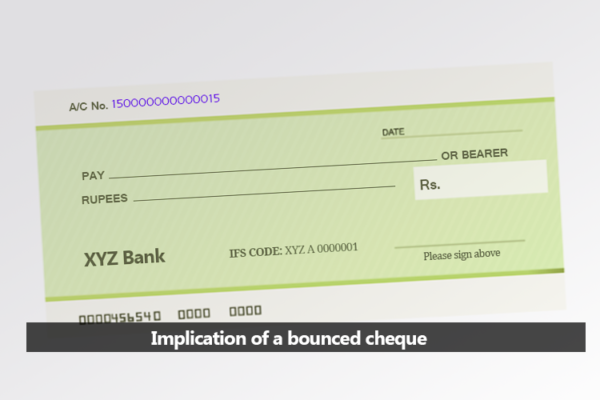
Cheque bouncing and consequences of dishonour of Cheque explained

Although, there are several cheque bounce reasons to be considered such as incorrect date mentioned on the cheque, signature mismatch, mismatch of the amount and figures, damaged cheque, overwriting of the cheque, etc. The principal reason for a cheque bounce is insufficient funds. If a cheque is dishonoured because of insufficient funds in the payer’s…

Maintenance of Client Identity Records under PMLA: A Banking Compliance Perspective

Maintaining client identity records is a core compliance obligation for banks and financial institutions under the Prevention of Money Laundering Act (PMLA). This requirement is designed to promote transparency, accountability, and support for law enforcement in the fight against money laundering and financial crimes. What Records Must Be Maintained Banks and financial institutions must maintain…

Verification of Client Identity under PMLA: A Banking Perspective

In today’s banking environment, verifying client identity under the Prevention of Money Laundering Act (PMLA) is more than a regulatory requirement—it is a cornerstone of financial integrity. By ensuring robust identity verification and record-keeping, banks not only comply with the law but also safeguard themselves against criminal misuse, build customer trust, and strengthen the resilience…

Furnishing Information to FIU-IND under PMLA: Obligations for Reporting Entities

Under the Prevention of Money Laundering Act (PMLA), reporting entities are required to furnish transaction and client-related information to the Director, Financial Intelligence Unit – India (FIU-IND), through procedures defined in consultation with their regulators. Typically, this process is handled via the institution’s Principal Officer, who acts as the nodal point for compliance. Strict timelines…