
Asset Liability Management as Coordinated Balance Sheet Management

Asset Liability Management (ALM) is a comprehensive and coordinated approach to managing a financial institution’s balance sheet, with the dual aim of optimizing profitability and minimizing financial risks. Rather than focusing on individual asset or liability components in isolation, ALM emphasizes the integrated management of the entire balance sheet, taking into account factors such as…
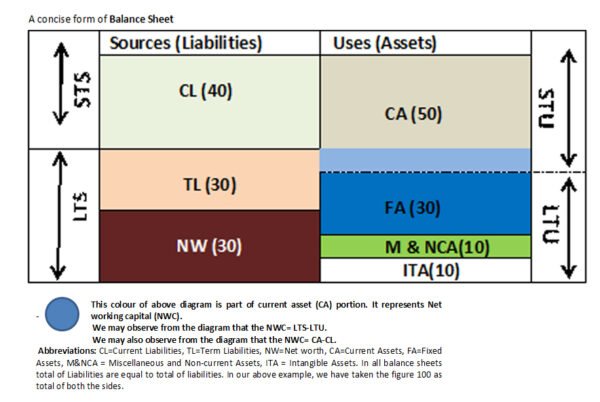

Purpose and Objectives of Asset Liability Management in Financial Institutions

Asset Liability Management (ALM) serves as a strategic framework within financial institutions for managing risks that arise from mismatches between assets and liabilities. The primary purpose of ALM is to ensure the institution’s long-term financial health and operational viability by aligning the maturities, cash flows, and risk profiles of assets and liabilities. This alignment enables…

The Strategic Significance of Asset Liability Management in Financial Institutions

Asset Liability Management (ALM) is a fundamental risk management practice for financial institutions, aimed at addressing mismatches between assets and liabilities. It involves aligning the timing, structure, and risk characteristics of cash inflows and outflows to ensure liquidity, mitigate interest rate risk, and maintain financial stability. A robust ALM framework is essential not only for…

Components of Assets and Liabilities: A Comprehensive Overview

Assets and liabilities are fundamental components of an entity’s financial position, typically presented in the balance sheet. Understanding these components is essential for evaluating a company’s financial health, liquidity, and solvency. 1. Definition and Importance The relationship between assets and liabilities forms the basis of the accounting equation: Assets = Liabilities + Owner’s Equity This…

Definition of NPA and Asset Classifications of irregular loans

(This article  explains the definition of non-performing assets (NPAs), classification of assets, Income recognition, and provisioning requirement under prudential norms for all types of accounts including NPA norms for Agricultural loans and especially KCC) Asset classification, in the context of financial institutions like banks, involves categorizing loans and advances into different classes based on their…

Derivative Transfer Pricing Policy Environment in Indian Banks: Regulatory Framework and Market Practices

Introduction In India, the derivative transfer pricing policy environment for banks is shaped by a combination of regulatory mandates, market practices, and institutional risk management frameworks. Banks engage in derivative transactions for purposes such as hedging, proprietary trading, and balance sheet management. These transactions must be governed by prudent transfer pricing policies to ensure regulatory…

Credit Risk and Credit Derivatives: Concepts, Controls, and Developments in India

Understanding Credit Risk Credit risk refers to the potential for financial loss resulting from a counterparty’s failure to fulfill its contractual obligations. In the context of derivatives, this risk is particularly significant due to the potential cost of replacing a defaulted transaction, especially when market conditions have changed unfavorably between the time of default and…

Use of Derivatives in Asset-Liability Management (ALM)

Derivatives are essential instruments in Asset-Liability Management (ALM), offering financial institutions sophisticated tools to manage and mitigate key risks—particularly interest rate risk and currency risk. By employing derivatives, banks and financial institutions can hedge balance sheet exposures, manage cash flows effectively, and address mismatches in the timing and structure of assets and liabilities. 1. Managing…

The Role of Treasury in Asset-Liability Management (ALM) in Banking

Asset-Liability Management (ALM) is a critical risk management framework used by banks to maintain a balanced and stable relationship between their assets—such as loans and investments—and liabilities, which include deposits and borrowings. The primary objective of ALM is to ensure sustained profitability, financial stability, and regulatory compliance through the prudent management of liquidity, interest rate,…