Origins of Credit Rating
The concept of credit rating originated in the United States in 1909 when Moody’s began evaluating corporate and railroad bonds. This initiative marked the inception of systematic credit assessment, which has since been adopted globally.
Development of Credit Rating in India
In India, the credit rating industry commenced with the establishment of Credit Rating Information Services of India Limited (CRISIL) in 1987. This was followed by the formation of the Investment Information and Credit Rating Agency (ICRA) in 1991. Subsequently, Credit Analysis and Research Limited (CARE) was founded in 1993, and Duff & Phelps Credit Rating India Private Ltd. entered the market in 1995.
Emergence of Credit Information Companies (CICs)
The Credit Information Bureau (India) Limited (CIBIL), now known as TransUnion CIBIL, was established in August 2000 as India’s first credit information company. Affiliated with TransUnion, a U.S.-based entity, CIBIL collects and manages financial records of individuals and businesses, focusing on loan and credit card payments and borrowings.
Distinction Between Credit Rating Agencies and Credit Information Companies
Credit Rating Agencies (CRAs) provide opinions on the creditworthiness of borrowers, assessing the likelihood of future debt repayments. They assign ratings to securities or instruments, including issuer ratings for corporations or governments.
In contrast, Credit Information Companies (CICs) compile and maintain records of past debt repayments by borrowers. They generate Credit Information Reports (CIRs) that help lenders evaluate the credit history of individuals and entities.
While both CRAs and CICs utilize similar financial data, their evaluation methodologies differ, leading to potential variations in credit scores for the same individual across different organizations.
Regulatory Framework and Mandates
Under Section 17 of the Credit Information Companies (Regulation) Act, 2005 (CICRA), CICs obtain credit information exclusively from their member banks and financial institutions. This information is shared with members upon request in the form of CIRs.
To address the issue of incomplete credit information—where reports may omit data from non-member institutions—the Reserve Bank of India (RBI) issued a directive on January 15, 2015. This mandate requires all credit institutions to become members of all CICs and to submit both current and historical credit data. Additionally, the RBI has advised all cooperative banks to comply with this directive and become members of all CICs, ensuring comprehensive credit data reporting across the financial sector.
Major Credit Information Companies in India
As of now, the RBI has granted registration to the following four domestic CICs:
- TransUnion CIBIL Limited
- Equifax Credit Information Services Private Limited
- Experian Credit Information Company of India Private Limited
- CRIF High Mark Credit Information Services Private Limited
These companies compile credit scores ranging from 300 to 900, with scores above 750 generally considered favorable by lenders.
Credit Score Categories
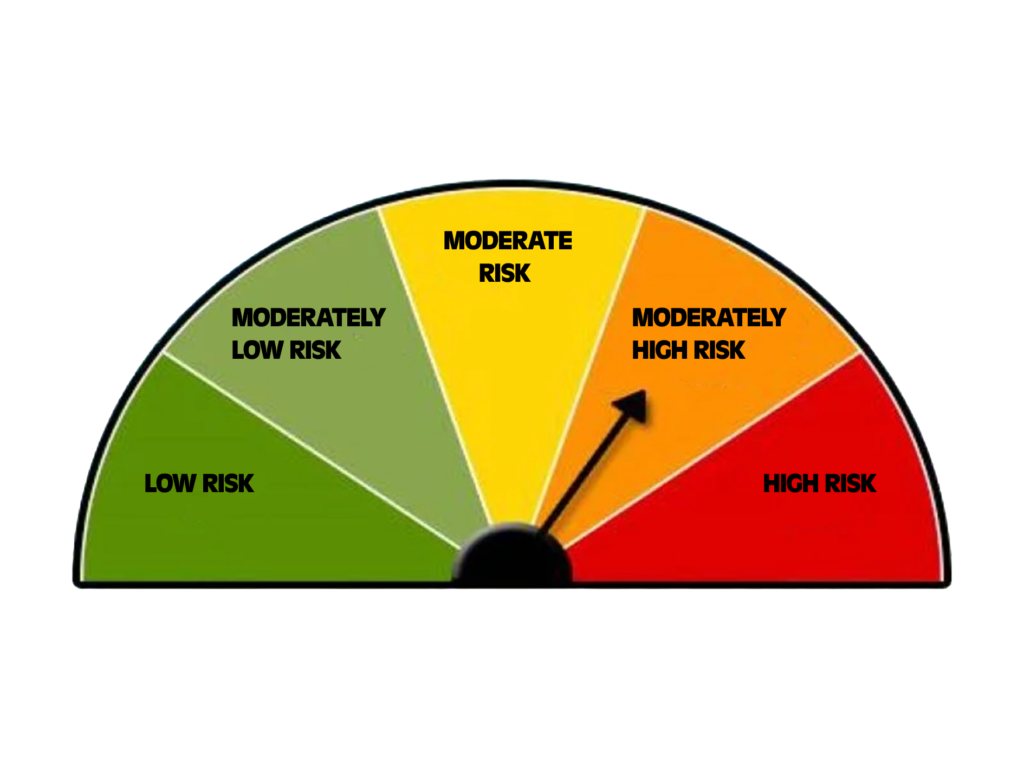
Credit scores are typically categorized as follows:
- 851–900 (Excellent): Indicates a borrower with no payment defaults; considered low-risk.
- 751–850 (Good): Reflects a strong credit history with timely payments.
- 651–750 (Average): Represents a balanced credit history with fair credit management.
- 501–650 (Poor): Suggests higher risk, potentially due to missed payments or high credit utilization.
- 300–500 (Very Poor): Denotes a poor credit history with defaults, making credit access challenging.
Borrowers with lower scores may face difficulties in obtaining credit or may be subject to higher interest rates. Improving one’s credit score is advisable to enhance creditworthiness.
Related Posts: