Introduction
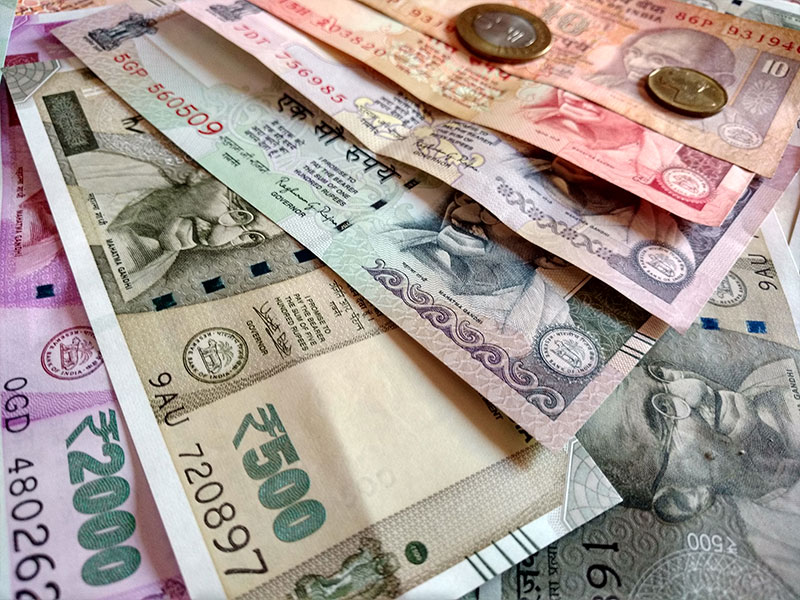
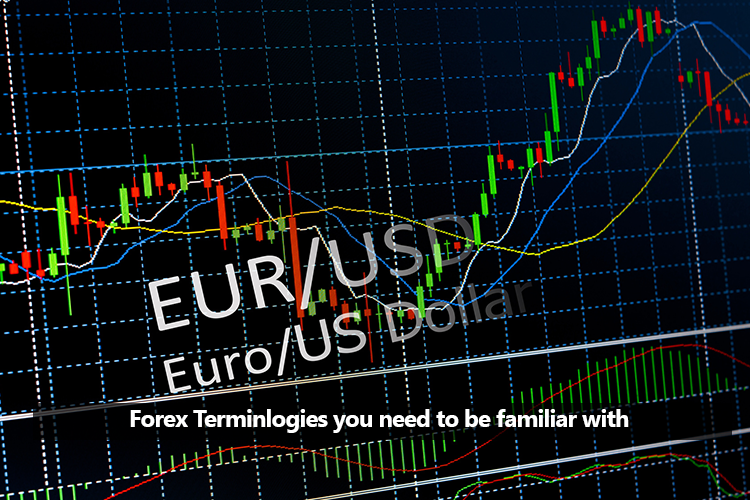
Foreign exchange (Forex or FX) refers to the process of converting one currency into another at a specific rate, known as the foreign exchange rate. Forex trading involves the buying and selling of currency pairs—such as USD/INR or EUR/INR—and is an essential component of international trade, investment, and global financial systems.
Determinants of Exchange Rates
Exchange rates are primarily influenced by the forces of supply and demand in the foreign exchange market. These forces, in turn, are shaped by a variety of economic, political, and market-related factors. While some countries maintain fixed exchange rates—pegged to a specific currency or a basket of currencies—most major currencies today operate under floating exchange rate regimes.
1. Supply and Demand Dynamics
Like any other market, currency values are influenced by how much of the currency is being bought (demand) and sold (supply).
- High Demand: Driven by factors such as strong economic performance or attractive interest rates, high demand can appreciate a currency’s value.
- High Supply: When a central bank increases money supply or when exports are abundant, excess supply may reduce the currency’s value.
Example: If a country experiences a surge in exports, foreign buyers must purchase its currency to pay for goods, increasing demand and potentially strengthening the currency.
2. Economic Indicators
Key economic variables play a vital role in determining exchange rates:
- Interest Rates: Higher interest rates tend to attract foreign capital, increasing demand for the currency.
- Inflation: High inflation reduces purchasing power, making the currency less attractive.
- Economic Growth: A strong GDP growth rate improves investor confidence and raises demand for the currency.
- Trade Balance: Countries with trade surpluses often see greater currency demand, leading to appreciation.
- Government Policies: Central bank actions, fiscal policy, and monetary measures can significantly impact currency values.
- Political Stability: A stable political environment attracts foreign investment, supporting currency strength.
Exchange Rate Systems
1. Floating Exchange Rate System
The value of a currency is determined entirely by market forces—supply and demand—with minimal intervention from the central bank.
2. Fixed Exchange Rate System
Under this system, a country pegs its currency to another major currency or a basket of currencies. The central bank intervenes in the market to maintain the fixed rate.
3. Managed Float (Hybrid System)
Some economies adopt a managed float system, wherein the exchange rate is largely determined by the market, but the central bank occasionally intervenes to stabilize or steer the currency.
Other Influencing Factors
- Market Sentiment: Investor expectations can cause significant short-term volatility in currency prices.
- Speculation: Traders’ activities based on future expectations of currency movement can influence exchange rates.
- Geopolitical Events: Wars, political unrest, and natural disasters can lead to sudden changes in investor behavior, impacting exchange rates.
The Forex Business and Trading Environment
The foreign exchange market is closely tied to global trade. Participants in this market include authorized dealers, brokers, central banks, corporations, and retail traders. Two primary analytical methods are employed in forex trading:
1. Technical Analysis
This approach studies past price movements and patterns through charts to forecast future price behavior. It operates on the premise that market prices reflect all available information.
2. Fundamental Analysis
Fundamental analysis involves evaluating macroeconomic indicators—such as GDP, interest rates, employment data, and inflation—to predict currency value movements. Traders utilize this method to understand why a currency’s value may rise or fall and to make informed trading decisions (buy, sell, or hold).
Even large institutional players like banks and hedge funds rely on these analytical methods, though market forecasting remains inherently complex and uncertain.
Core Aspects of the Foreign Exchange Mechanism
- National Currencies: Every country issues its own legal tender.
- Exchange Rate Determination: Like a barter system, currency conversion depends on demand and supply at the point of transaction.
- Banking Channel: Most forex transactions are routed through banks, which facilitate currency conversion and cross-border fund transfers. Transactions may be settled in the buyer’s or seller’s currency—or even a third currency like USD, Euro, or GBP.
Key Aspects of Forex Trading
1. What Is Traded?
Forex trading involves currency pairs (e.g., EUR/USD or GBP/JPY). Traders buy one currency while selling the other, aiming to profit from changes in the exchange rate.
2. Market Participants
- Banks: Conduct large-scale currency trades and provide exchange services.
- Corporates: Use forex for cross-border trade and investment settlements.
- Investment Firms and Hedge Funds: Engage in high-volume, speculative trades.
- Central Banks: Intervene to manage currency stability and monetary policy.
- Retail Traders: Individuals who trade currencies through online broker platforms.
3. How Forex Trading Works
- Forex trading is conducted over-the-counter (OTC) via online platforms.
- It allows for high leverage, where traders control large positions with relatively small capital—magnifying both gains and losses.
- Trades are influenced by real-time news, market data, and trader sentiment.
Importance of the Forex Market
- Largest Financial Market: Forex is the most liquid financial market globally, with daily trading volumes in the trillions.
- Facilitates Global Commerce: It supports international trade, travel, and investment flows.
- Profit Opportunities: Enables speculation based on anticipated movements in currency values.
Risks and Considerations
Forex trading entails considerable risk due to market volatility and the use of leverage. Therefore, a strong understanding of the market, effective risk management strategies, and disciplined trading practices are essential for success.
Conclusion
The foreign exchange market is a dynamic ecosystem where currencies are valued based on a multifaceted interaction of economic fundamentals, political stability, and investor psychology. Whether for hedging, investment, or speculation, participants must navigate this market with analytical rigor and a comprehensive understanding of its mechanisms.
Disclaimer
The information provided herein is intended solely for educational and informational purposes. It should not be construed as financial, legal, or investment advice. While efforts have been made to ensure accuracy, the content may be subject to change due to legislative amendments or judicial interpretations. Readers are advised to consult with qualified professionals for advice specific to their financial or legal circumstances.
Related Posts: