Introduction
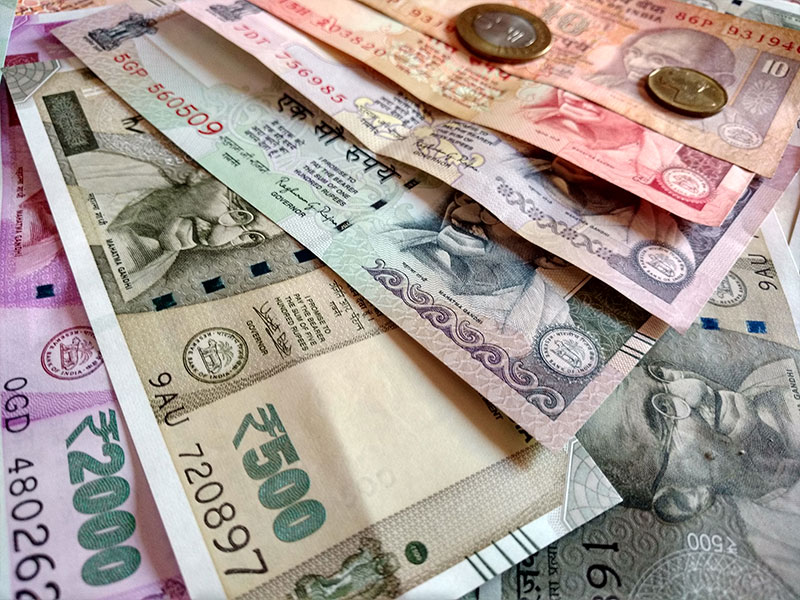
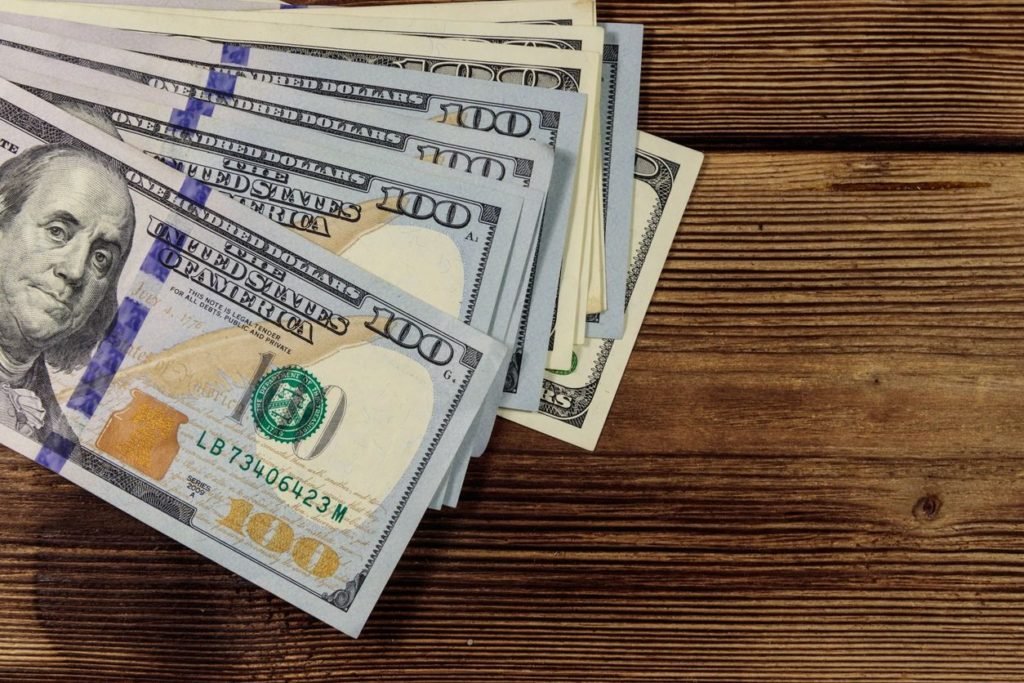
Foreign exchange, commonly referred to as forex, entails the conversion of one currency into another. The foreign exchange market is the platform where such conversions take place, serving as a critical component of the global financial system. Exchange rates—the prices at which one currency is exchanged for another—are primarily determined by supply and demand dynamics. These, in turn, are influenced by a range of economic, political, and psychological factors.
1. Definition and Structure of the Foreign Exchange Market
- Foreign Exchange (Forex):
Foreign exchange is the process of converting one national currency into another for purposes such as trade, investment, tourism, or speculation. - Foreign Exchange Market:
The foreign exchange market is a global, decentralized, over-the-counter (OTC) market where currencies are traded. It operates 24 hours a day, five days a week, and involves a wide range of participants including central banks, commercial banks, financial institutions, multinational corporations, and individual traders.
2. Key Factors Influencing Exchange Rates
Exchange rates are influenced by multiple interrelated factors. The following are some of the primary determinants:
- Supply and Demand:
The core driver of exchange rate fluctuations. A currency appreciates when demand surpasses supply and depreciates when supply exceeds demand. - Interest Rates:
Central banks adjust interest rates to influence economic activity and control inflation. Higher interest rates generally attract foreign capital inflows, thereby strengthening the domestic currency. Conversely, lower interest rates may lead to depreciation. - Inflation:
A high inflation rate erodes the purchasing power of a currency, typically resulting in its depreciation. Countries with consistently low inflation often experience currency appreciation over the long term. - Economic Growth:
Robust economic performance can attract foreign direct investment and portfolio investment, increasing demand for the domestic currency and strengthening its value. Weak economic performance can have the opposite effect. - Political Stability:
Political certainty and sound governance foster investor confidence, which can increase currency demand. Political instability or uncertainty may lead to capital flight and currency depreciation. - Market Sentiment and Speculation:
Traders’ and investors’ perceptions of a currency’s future performance can have a significant influence on its present value. Speculative activity often leads to short-term volatility. - Trade Balance:
A positive trade balance (trade surplus) implies higher demand for a country’s exports and its currency, potentially strengthening the exchange rate. A trade deficit tends to exert downward pressure on the currency. - Central Bank Interventions:
Central banks may actively intervene in forex markets to influence their currency’s value, either directly by buying/selling currency or indirectly through monetary policy tools. - Geopolitical Events:
Global events such as wars, sanctions, or economic crises can trigger abrupt movements in exchange rates due to uncertainty and shifts in investor sentiment. - Public Debt:
Excessive government borrowing can erode investor confidence and increase the risk of inflation or default, which may negatively impact the currency. - Commodity Prices:
For economies heavily reliant on commodity exports (e.g., oil or metals), fluctuations in commodity prices can significantly affect the exchange rate due to their impact on trade and national income.
Conclusion
The foreign exchange market is a dynamic and complex arena influenced by numerous macroeconomic, political, and psychological factors. Understanding these determinants is essential for policymakers, investors, and businesses engaged in international trade and finance. A nuanced grasp of exchange rate behavior enables better decision-making in an increasingly interconnected global economy.
Related Posts: