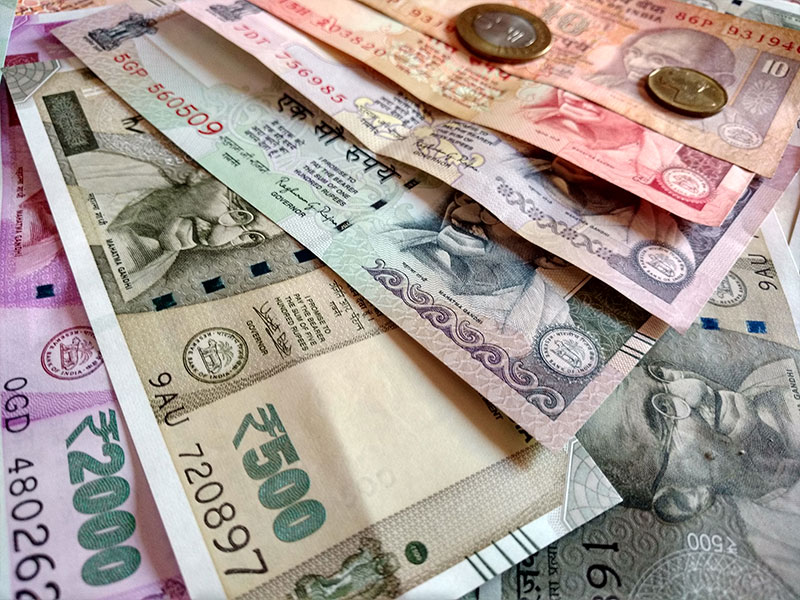
Overview of FEMA, 1999
The Foreign Exchange Management Act (FEMA), 1999, governs the management of foreign exchange transactions in India. Under FEMA, transactions are broadly classified into current account transactions and capital account transactions. Current account transactions refer to transactions that do not alter the assets or liabilities of a person resident in India or outside India. These include payments related to foreign trade, services, and short-term credit and banking operations.
1. Current Account Transactions under FEMA
Definition:
As per Section 2(j) of FEMA, current account transactions encompass payments due in connection with:
- Foreign trade,
- Services,
- Short-term banking and credit facilities in the ordinary course of business,
- Living expenses of dependents,
- Expenses in connection with foreign travel, education, and medical care.
Illustrative List of Current Account Transactions:
- Foreign Trade: Import and export of goods and services.
- Business Services: Professional and consultancy services rendered across borders.
- Remittances for Living Expenses: For family members residing abroad.
- Income on Investments: Interest, dividends, and other income from foreign assets.
- Short-Term Credit Facilities: Repayment of loans and interest obligations.
- Personal Remittances: Education fees, medical expenses, and travel-related costs.
Key Provisions:
- Freedom to Transact:
Residents are generally permitted to engage in current account transactions without prior approval, subject to reasonable restrictions. - Governmental Restrictions:
The Central Government, in consultation with the Reserve Bank of India (RBI), may impose reasonable restrictions in the public interest. - Prohibited Transactions:
The following current account transactions are specifically prohibited:- Remittances for lottery winnings.
- Remittances for racing, riding, or other hobby-related income.
- Payments for banned or proscribed publications or materials.
2. Liberalised Remittance Scheme (LRS)
The Liberalised Remittance Scheme (LRS) was introduced by the RBI to facilitate resident individuals in remitting up to USD 250,000 per financial year for permissible current and capital account transactions.
3. Permissible Remittances under LRS
The following non-trade current account transactions are permitted under LRS:
- Private visits abroad (excluding travel to Nepal and Bhutan).
- Remittances by tour operators/travel agents to overseas agents, principals, or hotels.
- Business travel for meetings, conferences, and training.
- Fees for participation in global conferences and specialized training programs.
- Participation in international events or competitions (including training, sponsorship, and prize money).
- Expenses for overseas film shooting.
- Medical treatment abroad (separate LRS limits apply to the patient and attendant).
- Payment of crew wages.
- Overseas education expenses.
- Remittances under educational tie-ups with foreign universities.
- Examination fees and additional score reporting for exams such as GRE, TOEFL, etc.
- Application, processing, and assessment fees for overseas employment opportunities.
- Emigration-related expenses and consultancy fees (excluding any capital account transactions such as investments abroad).
- Credential and skills assessment fees for intended migrants.
- Visa processing fees.
- Registration fees for documents required by foreign governments (e.g., Portugal).
- Membership and subscription fees for international organisations.
4. Non-Permissible Remittances under LRS
Remittance of foreign exchange under LRS is not permitted for the following purposes:
- Travel to and transactions with residents of Nepal and Bhutan.
- Lottery winnings.
- Income from racing, riding, or any hobby-related activities.
- Purchase of lottery tickets, proscribed magazines, football pools, or sweepstakes.
- Dividend remittance by companies where dividend balancing is applicable.
- Self-beneficiary transfers, where the remitter is also the beneficiary in the recipient account.
- Speculative activities, including trading in foreign exchange or virtual currencies (e.g., cryptocurrencies).
- Any transaction prohibited or restricted under FEMA, or its rules, regulations, and directions issued thereunder.
Conclusion
FEMA provides a robust framework for regulating cross-border transactions while ensuring sufficient flexibility for legitimate current account dealings. The LRS, as a subset of this framework, empowers resident individuals to remit foreign exchange within a specified limit for personal, educational, medical, and investment purposes. However, all remittances must adhere to the conditions and prohibitions stipulated by the RBI and the Government of India, ensuring compliance with India’s external sector policies and financial integrity standards.
Disclaimer: The information provided herein is exclusively for educational purposes. The information is based on publicly available sources and subject to change. The author shall not be responsible for any direct/indirect loss or liability incurred by the reader for taking any financial/real estate decisions based on the contents and information. Please consult your financial advisor before making any financial decision.
Related Posts:
Other Related Posts: