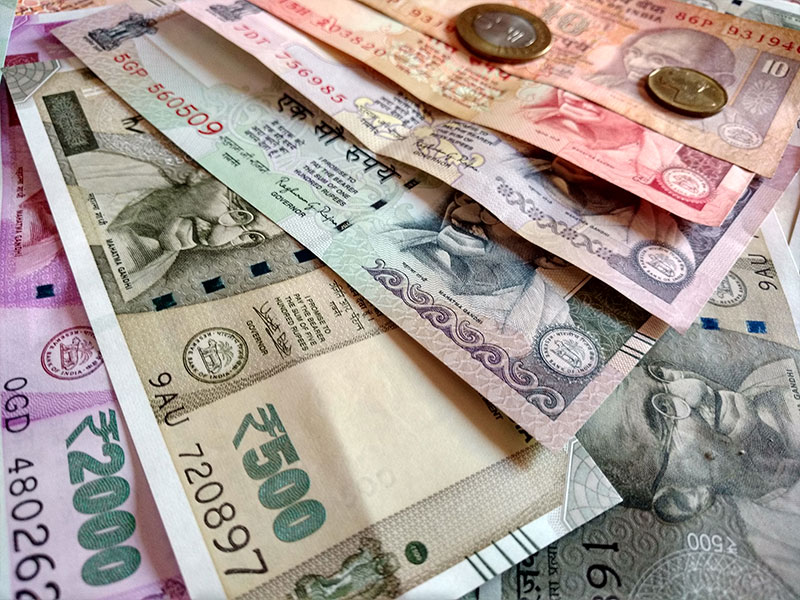
External Commercial Borrowings (ECBs) refer to loans raised by eligible Indian entities from recognized non-resident entities. These borrowings are governed under the Foreign Exchange Management Act (FEMA), 1999, and regulated by the Reserve Bank of India (RBI). ECBs serve as a significant source of foreign capital for Indian businesses and are primarily utilized for infrastructure development, business expansion, and capital expenditure. They enable access to international finance, often at comparatively lower interest rates than domestic borrowings.
Key Concepts and Operational Aspects
1. Eligible Borrowers
Entities permitted to raise ECBs include:
- Corporates, including those in sectors such as hotels, hospitals, and software.
- Non-Banking Financial Companies (NBFCs), specifically Infrastructure Finance Companies (IFCs) and Asset Finance Companies (AFCs).
2. Eligible Lenders
Recognized non-resident lenders include:
- International banks and financial institutions.
- Export credit agencies.
- Suppliers of equipment.
- Foreign equity holders.
- Others as specified by RBI guidelines.
3. Minimum Maturity Period
The minimum average maturity period (MAMP) typically required is:
- Three years, with certain exemptions based on the category of the borrower and end-use of funds.
4. All-in-Cost Ceiling
The all-in-cost includes:
- Interest rate.
- Other fees and charges.
This ceiling is specified by the RBI and varies depending on the maturity period and type of ECB instrument.
5. Permitted and Non-Permitted End-Uses
Permitted uses include:
- Capital expenditure on new projects.
- Modernization or expansion of existing units.
- Infrastructure development.
Non-permitted uses include:
- Investment in capital markets.
- Real estate activities (except affordable housing, SEZs, and industrial parks).
- Working capital (with exceptions under certain conditions).
6. Routes of Access
ECBs can be raised through two regulatory routes:
- Automatic Route: No prior approval from RBI is required if the borrowing complies with specified parameters.
- Approval Route: Requires prior RBI approval if any of the specified conditions under the automatic route are not met.
7. Loan Registration Number (LRN)
Before the drawdown of ECB proceeds, borrowers must obtain a Loan Registration Number (LRN) from the RBI through their Authorized Dealer (AD) bank.
8. Hedging Requirements
To manage currency risk, borrowers are encouraged—or in some cases mandated—to hedge their exposure through instruments such as:
- Forward contracts.
- Options and swaps.
9. Examples of ECB Instruments
- Commercial Bank Loans
- Securitized Instruments: Floating Rate Notes (FRNs), Fixed Rate Bonds.
- Buyers’ Credit and Suppliers’ Credit
- Foreign Currency Convertible Bonds (FCCBs): Bonds convertible into equity shares of the issuing company.
10. Distinction from Foreign Currency Term Loans (FCTLs)
While both ECBs and FCTLs involve borrowing in foreign currency, FCTLs may be subject to fewer restrictions in terms of documentation and prepayment norms.
Other Relevant Concepts
a. International Financial Institutions
ECBs may be raised from multilateral institutions such as:
- International Finance Corporation (IFC)
- Asian Development Bank (ADB)
- World Bank and similar entities.
b. FATF Compliance
Lenders must be residents of a country that is compliant with the Financial Action Task Force (FATF) standards to ensure legitimacy and transparency in cross-border financial transactions.
c. Startup ECBs
Eligible startups can raise ECBs up to USD 3 million per financial year, subject to:
- Prescribed minimum maturity period.
- All-in-cost ceilings.
- End-use restrictions.
Disclaimer
The information provided herein is for informational purposes only and should not be construed as financial, legal, or tax advice. While efforts have been made to ensure accuracy, the contents are subject to change based on future amendments or judicial decisions. Readers are advised to consult a qualified tax professional or financial advisor before making any decisions based on the above information.
Related Posts:
Related Posts: