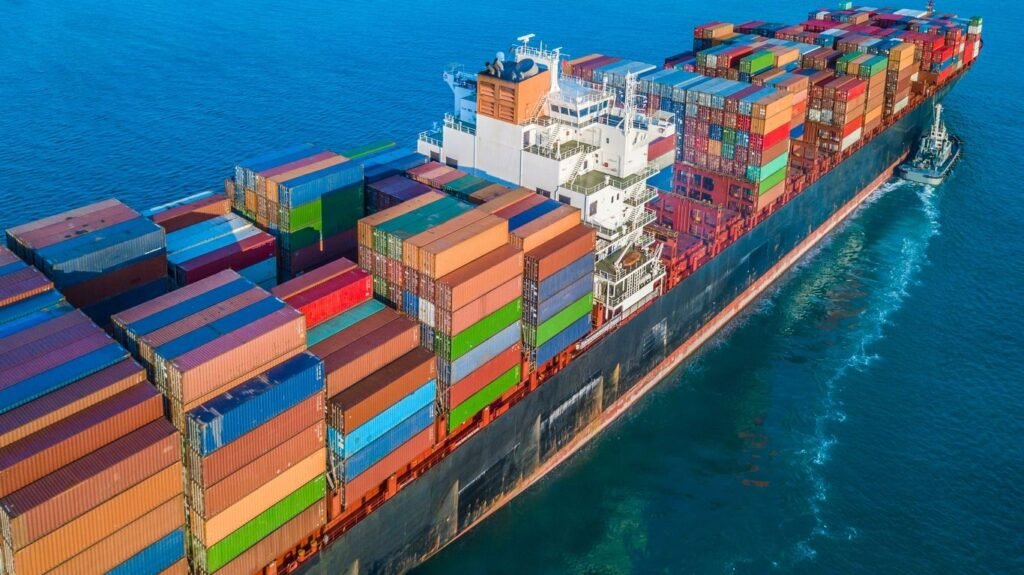
In the realm of international trade, risk refers to the potential for adverse outcomes or financial losses arising from uncertainties inherent in cross-border transactions. Among the various types of risks encountered in global business, country risk is particularly significant. It pertains to the potential for political, economic, or social developments in a foreign country to negatively impact trade activities or investments.
Defining Risk in International Trade
Risk, in general terms, is the possibility that actual outcomes may deviate from expected results, potentially resulting in a loss. In international trade, such deviations may stem from a multitude of unpredictable factors—including exchange rate volatility, regulatory changes, or disruptions in political and economic environments. These uncertainties pose challenges for exporters, importers, investors, and financial institutions engaged in global transactions.
Country Risk: A Key Component of International Trade Risk
Country risk refers specifically to the set of risks associated with conducting business in a foreign nation. It encompasses several subcategories, each of which can significantly impact international trade and investment:
- Political Risk
Involves instability or uncertainty in a country’s political environment. Examples include changes in government, civil unrest, expropriation, or policy shifts that may adversely affect foreign businesses or investors. - Economic Risk
Stems from unfavorable economic conditions such as high inflation, recession, exchange rate volatility, or an unstable financial system. These factors can diminish the profitability of cross-border transactions and affect investor confidence. - Social Risk
Arises from social dynamics within a country, such as widespread protests, labor unrest, or changing societal attitudes that may disrupt business operations or market conditions. - Sovereign Risk
Relates to the possibility of a foreign government defaulting on its debt obligations, which can have broader implications for the country’s financial system and its engagements with foreign creditors and investors.
Importance of Country Risk Analysis
A comprehensive analysis of country risk enables businesses to evaluate the likelihood and potential impact of adverse events in target markets. This assessment is critical for:
- Making informed decisions on market entry and investment
- Structuring trade and finance deals with appropriate safeguards
- Determining pricing, credit, and payment terms
- Designing effective risk mitigation strategies, including insurance and hedging instruments
In a highly interconnected global economy, understanding and managing country risk is essential for businesses aiming to succeed in international markets. Proactive risk assessment not only safeguards assets but also enhances resilience and long-term competitiveness.
Disclaimer:
The information provided herein is exclusively for educational purposes based on publicly available sources and subject to change. The author shall not be responsible for any direct/indirect loss or liability incurred by the reader for taking any financial/real estate decisions based on the contents and information. Please consult your financial advisor before making any financial decision.