Introduction
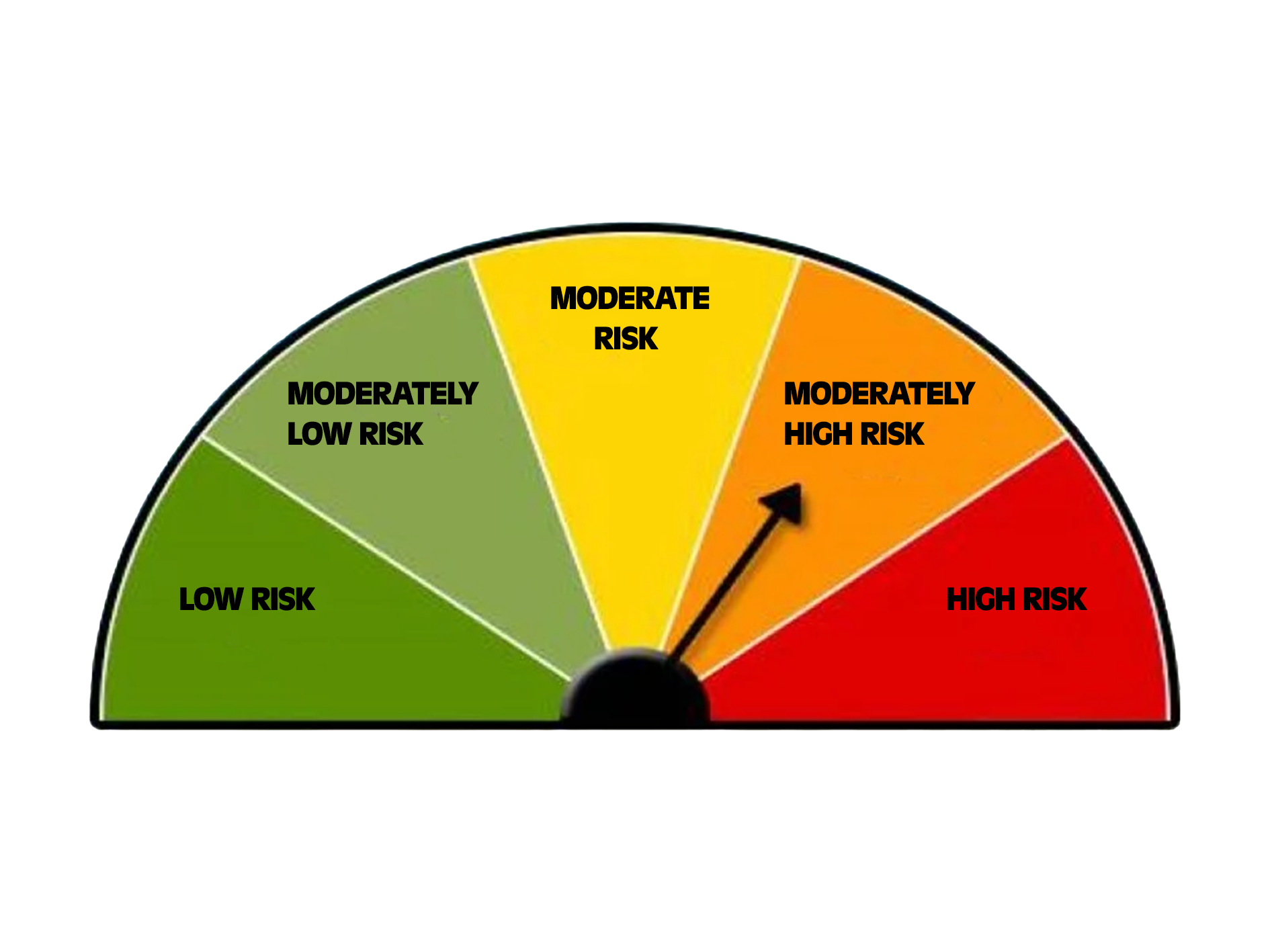
In the realm of finance and investment, the interrelationship among risk, capital, and return forms the cornerstone of strategic decision-making. The risk–return spectrum—also referred to as the risk–return trade-off or risk–reward relationship—highlights the principle that the potential for higher returns is intrinsically linked to a higher level of risk. Conversely, investments with lower risk profiles generally offer more modest returns.
This foundational concept underscores the importance of evaluating both the expected return and the associated risk before committing capital to an investment. Investors must consider how much uncertainty they are willing to accept in pursuit of financial gain.
Understanding the Key Concepts
- Risk:
Risk refers to the probability or possibility of loss, including the potential to lose part or all of the invested capital. It encompasses various forms, such as market volatility, credit risk, interest rate fluctuations, and economic instability. - Return:
Return represents the gain or profit generated from an investment, typically expressed as a percentage of the initial amount invested. It can be in the form of income (e.g., dividends or interest) or capital appreciation.
Illustrating the Risk-Return Relationship
- Debt vs. Equity Instruments
- Low-risk investments (e.g., government bonds): These offer stable but lower returns due to their minimal risk of default.
- High-risk investments (e.g., equities): These present the opportunity for significant returns, but they also carry the risk of considerable losses due to market volatility.
- Investment Grade vs. High-Yield Bonds
- Investment-grade bonds: Issued by financially sound entities, these carry a lower risk of default and offer lower yields.
- High-yield (junk) bonds: Issued by entities with weaker credit ratings, these offer higher returns to compensate for the elevated risk of default.
- Stock Categories
- Large-cap stocks: Typically associated with established companies, these are considered less volatile and offer steady, moderate returns.
- Small-cap stocks: These may deliver higher growth potential but are also subject to greater volatility and business risk.
- Sector-specific funds: These target particular industries and may experience high returns or losses depending on sector performance.
- Real Estate Investments
- Stable markets: Investments in established markets offer lower but more predictable returns.
- Emerging or developing markets: These present opportunities for rapid appreciation but also involve heightened exposure to economic and regulatory uncertainties.
Key Principles of the Risk–Return Trade-off
- Higher Potential Returns Require Greater Risk
Investors expect to be compensated for assuming increased uncertainty. Therefore, investments promising high returns typically come with heightened risk exposure. - Lower Risk Implies Lower Returns
Conservative investments are generally associated with more predictable outcomes, but they often yield modest returns. - Imperfect Correlation
While the risk-return relationship is a foundational guideline, it is not absolute. Some high-risk investments may underperform, while certain low-risk investments may exceed expectations under favorable conditions.
Conclusion
The interdependence of risk, capital, and return is a vital consideration in investment planning and portfolio management. A clear understanding of the risk–return trade-off enables investors to align their investment strategies with their financial goals, risk tolerance, and market outlook. Balancing these elements effectively can enhance long-term returns while maintaining an acceptable level of risk exposure.
Related Posts