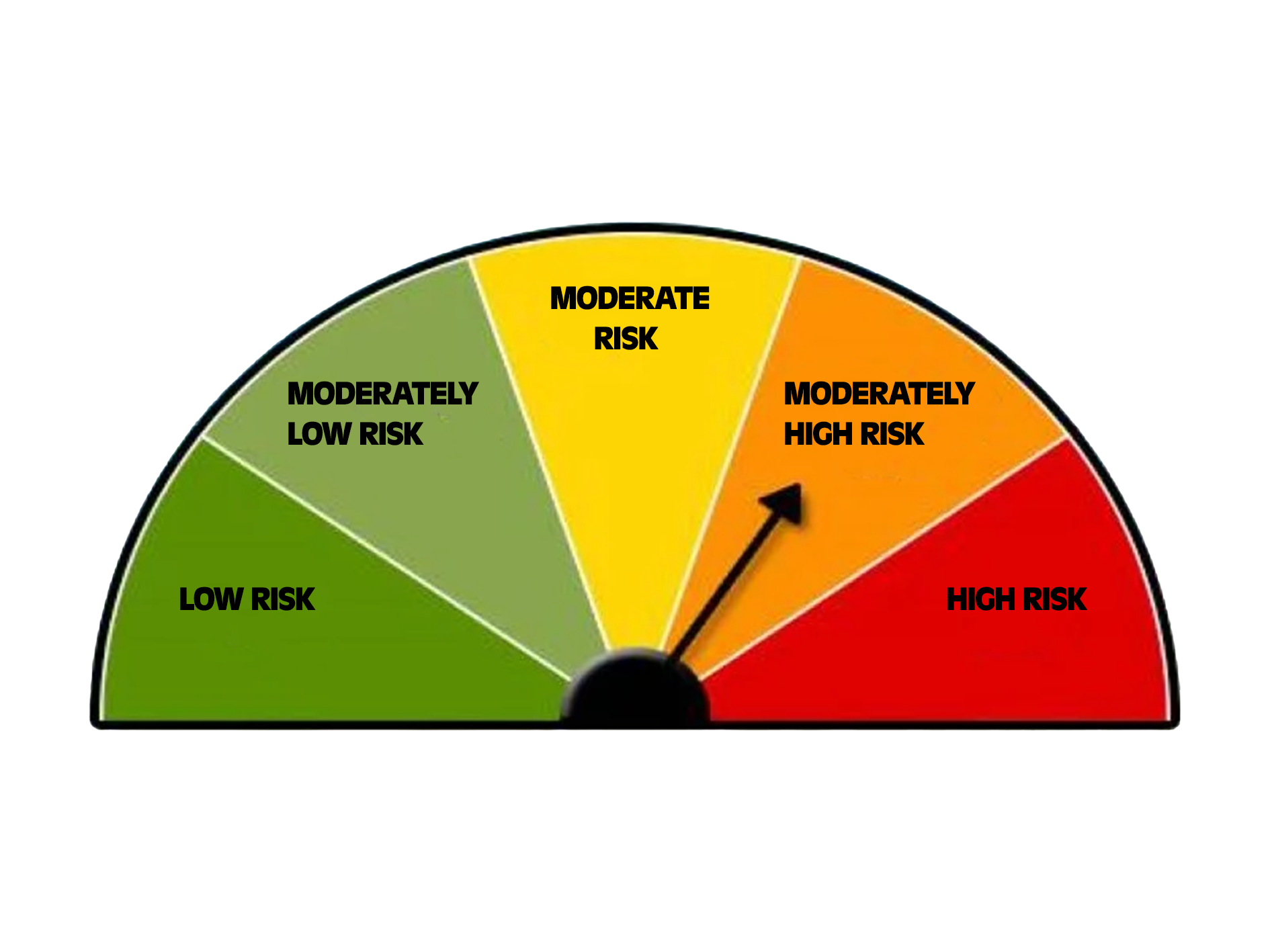
Credit risk measurement is a critical component of a comprehensive credit risk management framework. It involves quantifying the potential financial loss arising from a borrower’s failure to meet contractual obligations. Accurate and consistent measurement supports informed decision-making, prudent loan structuring, effective capital planning, and regulatory compliance.
Key Aspects of Credit Risk Measurement
1. Qualitative and Quantitative Assessment
Credit risk measurement begins with evaluating both quantitative and qualitative factors:
- Quantitative: Analysis of financial statements, cash flows, debt ratios, and credit scores
- Qualitative: Assessment of the borrower’s business environment, industry risk, corporate governance, and management quality
2. Internal Credit Risk Rating Systems
These systems assign risk grades to borrowers based on their creditworthiness.
- Ratings are typically tiered to reflect varying levels of credit risk
- They guide lending decisions, risk pricing, and capital allocation
- Ratings are reviewed regularly to reflect changes in risk profiles
3. Risk-Adjusted Return on Capital (RAROC)
RAROC is a performance metric that measures the expected return of a credit exposure relative to the economic capital required to absorb potential losses.
- Loans with higher RAROC are considered more attractive from a risk-return perspective
- RAROC helps in evaluating whether credit transactions align with the institution’s profitability and risk appetite
4. Stress Testing
Stress testing evaluates the resilience of credit exposures under adverse scenarios, such as economic downturns or sector-specific shocks.
- Helps identify concentrations and vulnerabilities within the loan portfolio
- Informs capital adequacy and contingency planning
5. Key Risk Indicators (KRIs)
KRIs are forward-looking metrics that serve as early warning signals.
Examples include:
- Deterioration in financial ratios
- Negative credit bureau reports
- Industry-wide downturns or regulatory changes
6. Data Accuracy and Model Validation
Reliable data and rigorous model validation are essential to ensure credibility and accuracy in credit risk measurement.
- Data quality controls must be in place
- Models must be back-tested and periodically reviewed for performance and relevance
7. Monitoring and Reporting
Continuous monitoring of credit risk exposures is vital. This includes:
- Tracking borrower performance and financial condition
- Reporting exposures, risk trends, and exceptions to senior management and the board
- Enabling timely intervention in cases of emerging risk
Importance of Credit Risk Measurement
Informed Decision-Making
Accurate risk quantification supports prudent lending decisions, appropriate pricing, and setting exposure limits.
Capital Adequacy
Risk measurement helps determine the capital reserves required to absorb potential losses, thus supporting financial stability and regulatory compliance.
Portfolio Optimization
Understanding the risk-return profile of individual exposures and the overall portfolio allows for strategic adjustments and better capital allocation.
Regulatory Compliance
Sound credit risk measurement practices align with regulatory expectations under frameworks such as Basel III, contributing to transparency and financial system resilience.
Conclusion
Effective credit risk measurement is foundational to managing risk prudently and maintaining institutional stability. By integrating sound methodologies, reliable data, and ongoing oversight, financial institutions can make informed decisions that balance profitability with resilience.
Related Posts:
WHAT ARE THE CREDIT RISK MITIGATION STRATEGIES USED IN BANKS