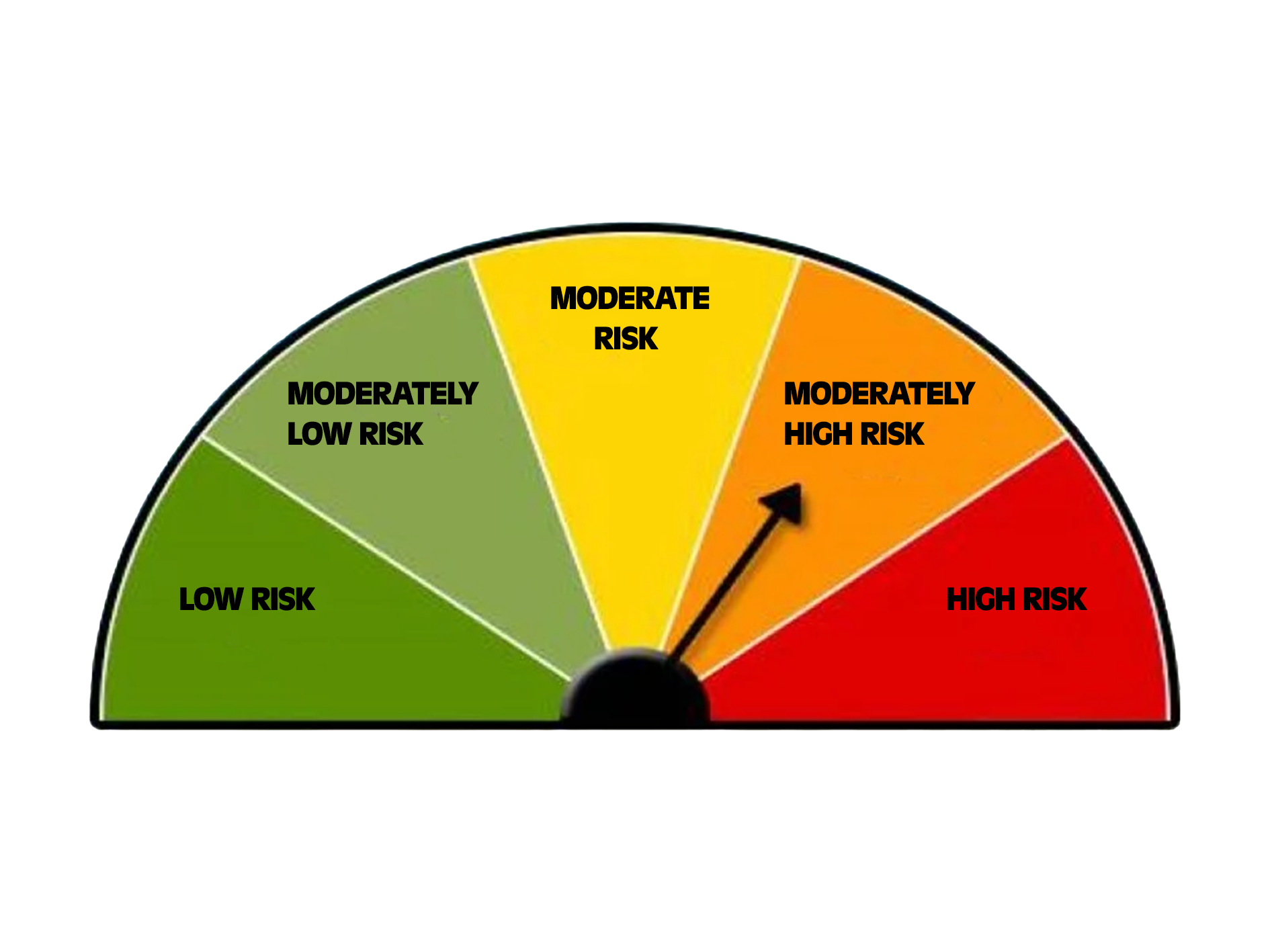
Active Credit Portfolio Management (ACPM) represents a strategic and proactive methodology for managing a financial institution’s credit portfolio. Unlike traditional static approaches that focus primarily on loan origination and hold-to-maturity strategies, ACPM emphasizes dynamic decision-making, continual monitoring, and tactical adjustments to optimize risk-return outcomes and support institutional objectives. This approach is increasingly vital in today’s evolving credit and regulatory environment.
Key Aspects of Active Credit Portfolio Management
1. Active Monitoring and Analysis
ACPM involves ongoing surveillance of credit exposures and performance metrics. Key practices include:
* Monitoring KPIs such as Days Sales Outstanding (DSO), default rates, provisions, and dispute levels
* Analyzing trends across sectors, borrower segments, and geographies
* Utilizing credit scoring models and financial indicators to assess portfolio health in real-time
2. Risk Mitigation
A core objective of ACPM is to proactively identify and mitigate credit risk. Strategies include:
* Diversifying the portfolio across industries, regions, and borrower profiles
* Implementing hedging tools (e.g., credit derivatives, credit default swaps) to transfer or reduce risk
* Rebalancing exposure based on updated risk assessments and market signals
3. Portfolio Optimization
ACPM seeks to improve the portfolio’s overall efficiency and profitability by:
* Disposing of underperforming or high-risk assets through secondary markets
* Acquiring high-quality or higher-yield assets aligned with institutional risk appetite
* Continuously refining the risk-return balance to support long-term performance
4. Dynamic Adjustment
Unlike traditional credit management, ACPM involves frequent tactical shifts in response to market developments, borrower creditworthiness, or economic changes. This may include:
* Repricing loans
* Restructuring credit terms
* Adjusting sectoral or geographic exposures based on risk outlook
5. Technological Integration
Robust technology platforms and advanced analytics are essential enablers of ACPM. These systems support:
* Real-time portfolio tracking and scenario analysis
* AI/ML-driven predictive risk models
* Automation of reporting and early warning systems
6. Regulatory Compliance
ACPM must operate within the boundaries of regulatory frameworks, particularly those relating to:
* Capital adequacy (Basel III / IV)
* Credit concentration limits
* Stress testing and provisioning norms
Benefits of Active Credit Portfolio Management
Enhanced Risk-Adjusted Returns
By continuously optimizing exposures and capturing market opportunities, ACPM can generate superior risk-adjusted returns compared to passive strategies.
Reduced Credit Risk
Timely identification and mitigation of emerging risks help reduce default probabilities and potential credit losses.
Improved Capital Efficiency
ACPM promotes optimal deployment of capital, ensuring that assets are aligned with profitability goals and regulatory capital requirements.
Increased Strategic Flexibility
Active management provides institutions with the agility to respond to market changes, economic cycles, and shifting borrower profiles.
Conclusion:
Active Credit Portfolio Management transforms credit risk oversight into a dynamic, data-driven, and strategy-oriented process. It empowers financial institutions to not only safeguard asset quality but also unlock value from their credit portfolios. In an increasingly complex credit environment, ACPM is a critical function for institutions striving for resilience, profitability, and regulatory alignment.
Related Posts:
WHAT ARE THE CREDIT RISK MITIGATION STRATEGIES USED IN BANKS