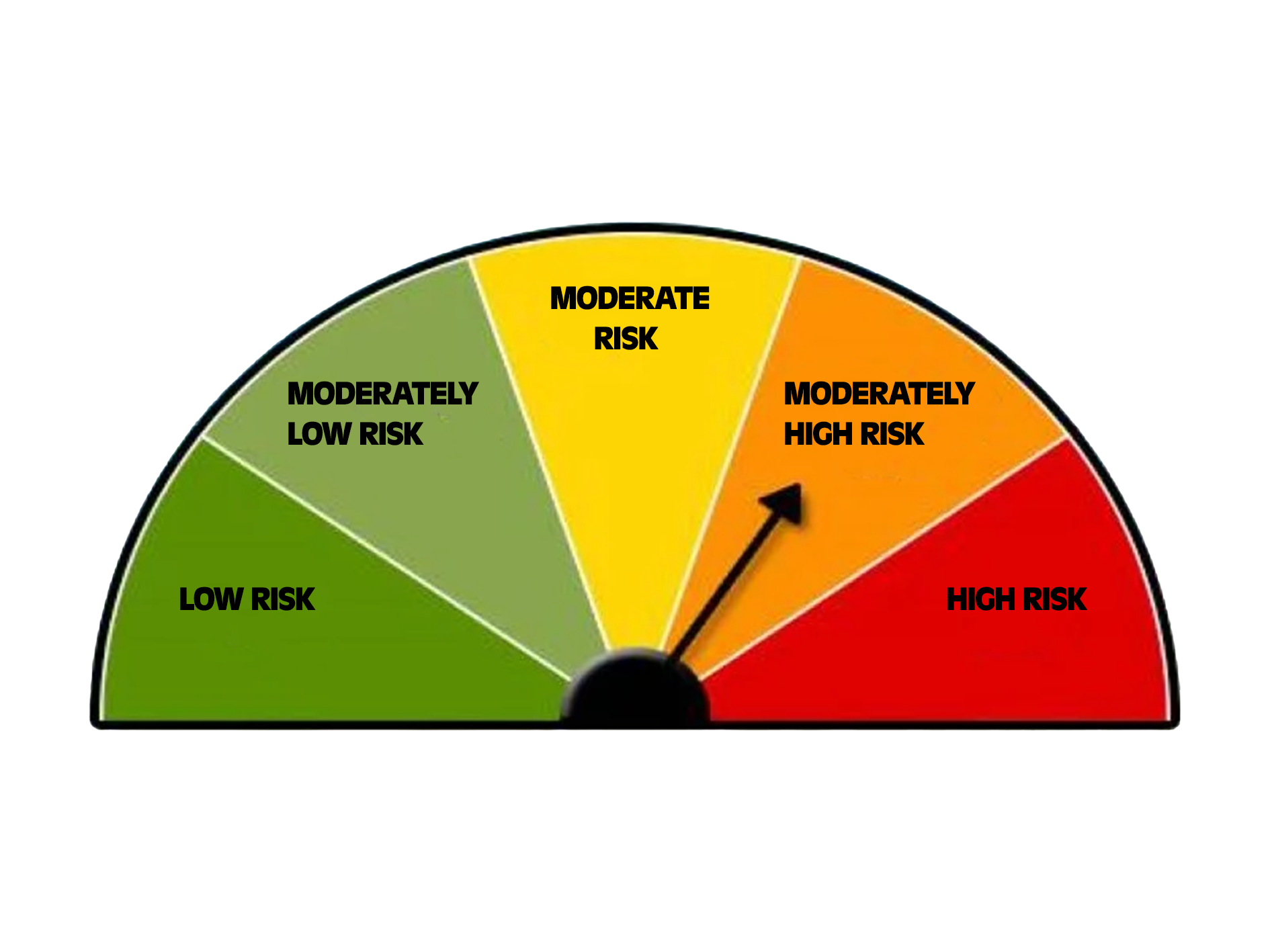
Liquidity risk management refers to the strategic process by which financial institutions, particularly banks, ensure their ability to meet financial obligations as they arise—both under normal market conditions and during periods of stress. Effective liquidity management is vital for maintaining solvency, operational continuity, stakeholder confidence, and overall financial stability.
Understanding Liquidity Risk
Liquidity risk arises when a bank is unable to meet its short-term obligations—such as deposit withdrawals, loan disbursements, or debt repayments—without incurring unacceptable losses. This risk often stems from mismatches in the timing of cash inflows and outflows, or from sudden disruptions in funding sources, including a loss of depositor or market confidence.
Key Components of Liquidity Risk Management
- Identification and Measurement
Banks must identify potential sources of liquidity risk, including fluctuations in deposits, loan demands, and off-balance sheet exposures. Quantitative tools such as liquidity ratios, gap analysis, scenario analysis, and stress testing are used to measure the potential impact of these risks. - Monitoring and Reporting
Ongoing monitoring of liquidity positions is essential. Banks track key liquidity indicators and regularly report their liquidity profiles to senior management and regulatory authorities to ensure transparency and timely decision-making. - Control and Mitigation Strategies
To mitigate liquidity risk, banks implement a combination of the following strategies:- Liquidity Buffers: Maintaining sufficient levels of cash and high-quality liquid assets (HQLA), such as government securities, to cover unforeseen liquidity needs.
- Diversification of Funding Sources: Avoiding over-reliance on any single funding channel by diversifying across retail deposits, wholesale funding, interbank markets, and capital markets.
- Asset-Liability Management (ALM): Aligning the maturity profiles of assets and liabilities to minimize liquidity mismatches and ensure timely cash flows.
- Contingency Funding Plans (CFPs): Establishing pre-defined plans for addressing potential liquidity shortfalls, including emergency funding options and asset sale strategies.
- Governance and Oversight
Robust governance frameworks are critical. Banks must clearly define roles, responsibilities, and accountability structures for liquidity risk management. This includes board-level oversight, dedicated risk committees, and comprehensive internal controls.
Importance of Sound Liquidity Risk Practices
- Financial Stability: Ensures continuity of operations and prevents insolvency due to cash flow constraints.
- Reputation Management: Maintains trust and confidence among depositors, investors, and counterparties.
- Operational Efficiency: Avoids costly disruptions to business operations arising from liquidity constraints.
- Cost Management: Lowers the cost of funding by maintaining a strong liquidity profile and creditworthiness.
- Regulatory Compliance: Ensures adherence to regulatory standards, such as Basel III liquidity requirements (e.g., Liquidity Coverage Ratio and Net Stable Funding Ratio).
Conclusion
Liquidity risk management is a proactive, comprehensive approach that equips banks to respond effectively to both routine and extraordinary liquidity demands. By maintaining sufficient liquidity reserves, diversifying funding sources, and implementing sound governance and planning mechanisms, banks can safeguard their financial health and uphold stakeholder confidence, even in adverse conditions.
Related Posts