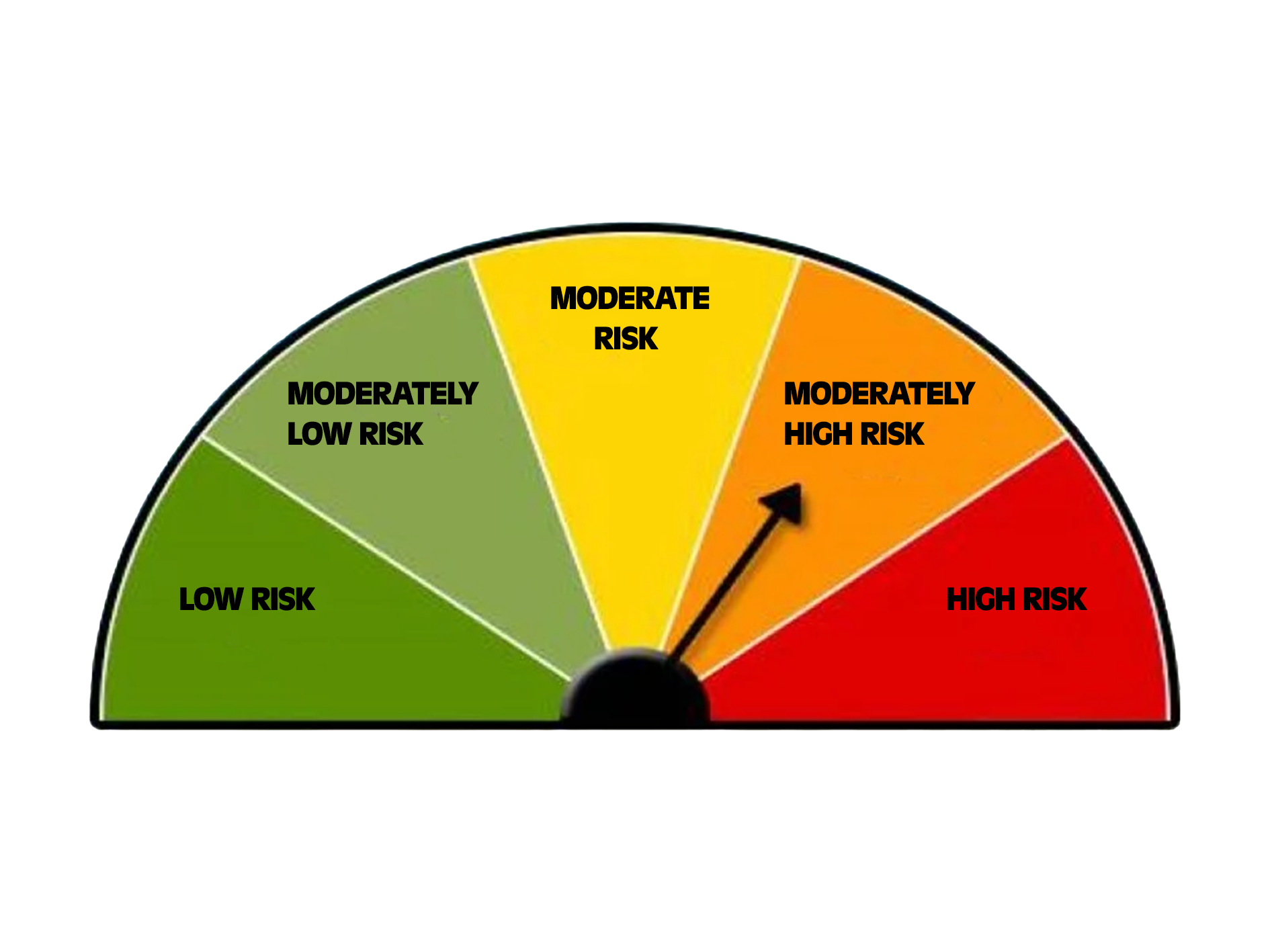
Liquidity risk management is a fundamental pillar of financial stability for institutions and businesses, especially within the financial sector. It ensures that organizations can meet their financial obligations as they come due, thereby avoiding financial distress and sustaining stakeholder confidence. Without proper liquidity management, firms risk insolvency, operational disruption, reputational damage, and potential systemic consequences across the broader economy.
The Need and Importance of Liquidity Risk Management
- Ensuring Solvency
Effective liquidity management ensures an institution can meet both its short-term and long-term obligations, thereby preventing insolvency and supporting the organization’s continued viability. - Maintaining Operational Efficiency
Day-to-day business operations rely on the timely availability of liquid funds for payroll, vendor payments, loan disbursements, and other operational needs. - Preventing Financial Distress
Poor liquidity management may result in a firm’s inability to meet its obligations, leading to severe outcomes such as forced asset sales, bankruptcy, or liquidation. - Sustaining Market Confidence
A sound liquidity position fosters trust and confidence among creditors, investors, customers, and counterparties, ensuring continued access to funding and more favorable financing terms. - Enabling Strategic Flexibility
Institutions with adequate liquidity can capitalize on growth opportunities, respond to market shifts, and invest in innovation or expansion without financial constraints. - Regulatory Compliance
Regulatory frameworks, particularly for financial institutions, mandate adherence to minimum liquidity standards—such as the Liquidity Coverage Ratio (LCR) and Net Stable Funding Ratio (NSFR) under Basel III—to mitigate systemic risk. - Minimizing Cost of Funding
Efficient liquidity planning reduces dependence on expensive short-term borrowing and optimizes the overall cost of capital. - Mitigating Systemic Contagion Risk
In the financial system, liquidity stress at one institution can quickly propagate to others. Robust liquidity management helps prevent such contagion and protects the broader financial ecosystem. - Preparedness for Market Stress
A strong liquidity risk framework equips institutions to handle adverse events, such as market volatility, credit crunches, or economic downturns, with minimal disruption. - Optimizing Use of Cash Reserves
Effective liquidity management strikes a balance between holding sufficient liquid assets for safety and deploying excess cash into productive investments to maximize returns.
Conclusion
Liquidity risk management extends beyond routine cash flow oversight; it is integral to an organization’s risk management architecture, financial resilience, and long-term success. In today’s dynamic and interconnected financial landscape, sound liquidity practices are essential not only for individual institutional stability but also for preserving trust, supporting strategic objectives, and ensuring systemic stability.
Related Posts