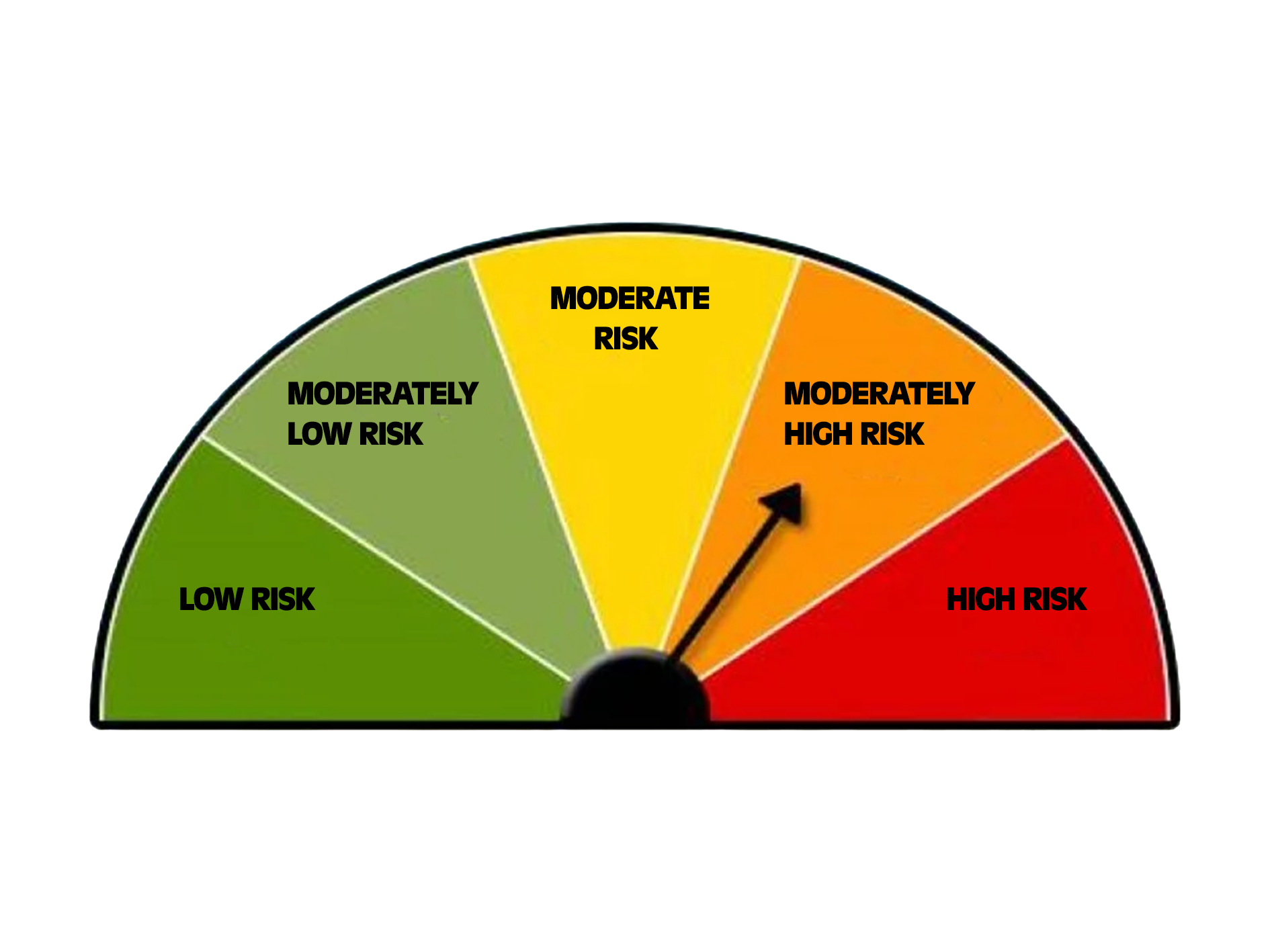
Effective liquidity risk management is essential for ensuring the stability and resilience of banks, particularly during periods of financial stress. Sound practices involve the establishment of robust governance frameworks, comprehensive measurement and monitoring systems, prudent risk management strategies, and transparent disclosures. These principles collectively aim to ensure that banks can meet their financial obligations at all times while minimizing the risk of liquidity shortfalls.
1. Governance and Risk Tolerance
Defined Risk Tolerance
Banks must establish a clear liquidity risk tolerance that outlines the level of risk the institution is willing to accept under both normal and stressed market conditions. This serves as the foundation for all liquidity risk management activities.
Board and Senior Management Oversight
The board of directors is responsible for approving the liquidity risk strategy, policies, and management framework. Senior management is tasked with implementing these policies, monitoring liquidity positions, and ensuring adherence to risk limits across the organization.
2. Measurement and Monitoring
Comprehensive Cash Flow Projections
Banks should develop detailed projections of cash flows from assets, liabilities, and off-balance sheet exposures over various time horizons. These projections must account for both expected and unexpected funding needs.
Active Monitoring and Control
Liquidity risk exposures should be continuously monitored and controlled across legal entities, business lines, and currencies. This includes monitoring contractual maturities, behavioral assumptions, and funding concentrations.
Intraday Liquidity Risk Management
Effective management of intraday liquidity—ensuring sufficient funds are available to meet payment obligations throughout the business day—is critical. This includes monitoring of collateral positions and payment flows.
3. Risk Management Practices
Alignment of Incentives
The incentives of business units and personnel should be aligned with the liquidity risk exposures they generate. Compensation and performance evaluation systems must reflect liquidity risk considerations.
Stress Testing
Banks must conduct regular stress testing to evaluate their ability to withstand adverse scenarios. These tests should encompass institution-specific shocks as well as broader market disruptions and should inform the development of contingency funding plans.
Contingency Funding Plans (CFPs)
Robust CFPs should outline strategies for addressing potential liquidity shortfalls. These plans must be regularly reviewed, tested, and aligned with stress test outcomes.
High-Quality Liquid Assets (HQLA)
Banks should maintain a buffer of unencumbered, high-quality liquid assets sufficient to meet liquidity needs during stressed conditions. These assets should be easily convertible to cash with minimal loss of value.
Incorporating Liquidity Costs and Risks
Liquidity costs, benefits, and risks must be incorporated into internal pricing models, performance measurement systems, and new product approval processes. This ensures that business decisions fully reflect their liquidity implications.
4. Transparency and Disclosure
Regular Public Disclosures
Banks should make regular public disclosures regarding their liquidity risk profile and management practices. These disclosures should include both quantitative data (e.g., liquidity ratios) and qualitative information (e.g., risk management frameworks) to enhance stakeholder confidence.
Conclusion
Sound liquidity risk management enables banks to operate effectively under a wide range of conditions, including periods of market disruption. By adhering to these principles—focusing on governance, measurement, risk control, and transparency—banks can enhance their financial resilience, safeguard their reputation, and contribute to broader financial system stability. Ultimately, sound liquidity practices are about preparedness, discipline, and maintaining sufficient resources to navigate uncertainty and meet all obligations promptly and reliably.
Related Posts