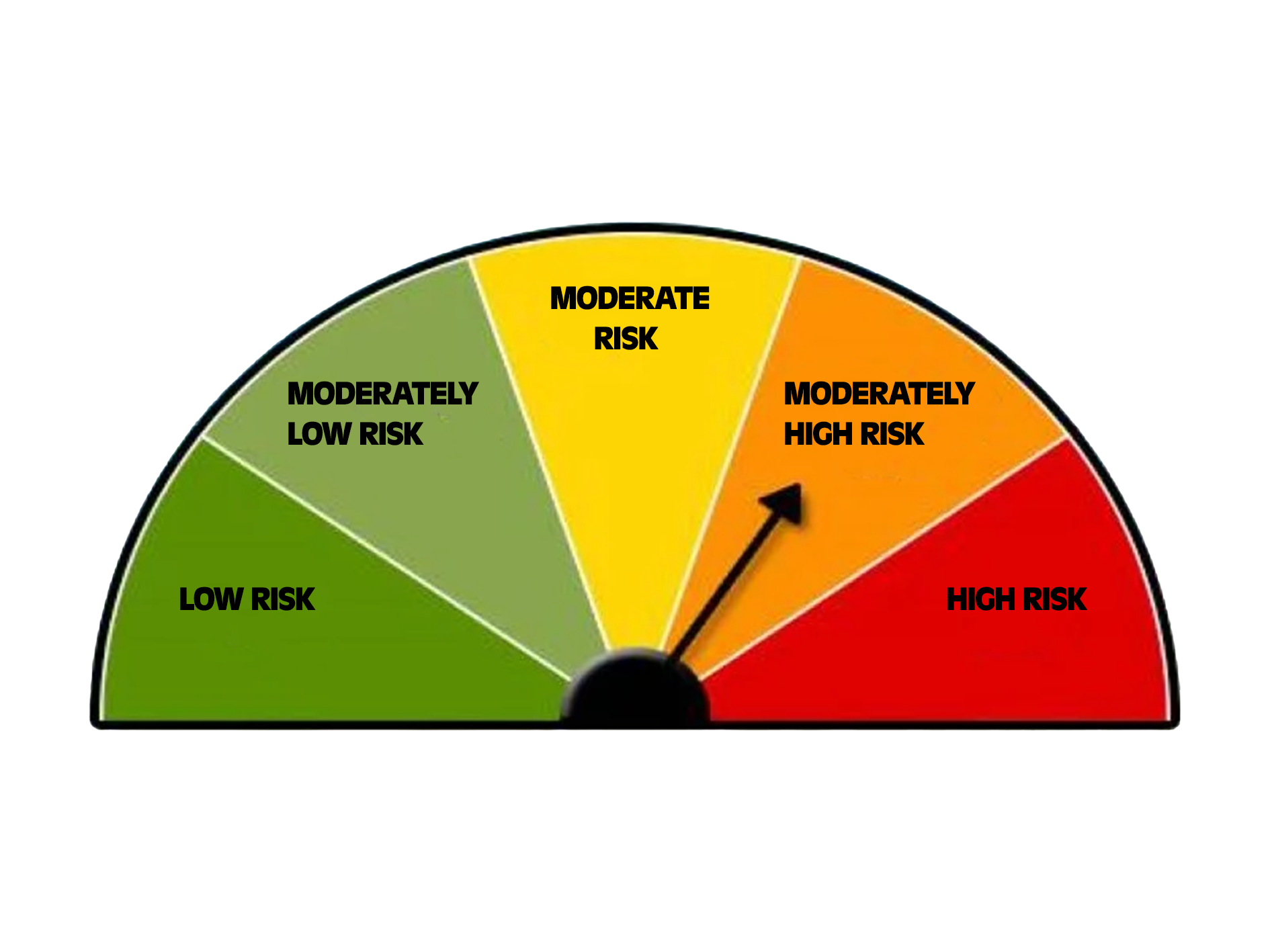
Effective governance is the cornerstone of sound liquidity risk management in banks. A robust governance framework ensures that liquidity risks are identified, measured, monitored, and managed in accordance with the bank’s risk appetite and regulatory expectations. This framework is driven by active involvement from the board of directors and senior management, supported by well-defined policies, procedures, and reporting structures.
1. Board Oversight and Responsibility
The board of directors holds ultimate accountability for the bank’s liquidity risk management framework. Its key responsibilities include:
- Approval of Strategy and Policies: The board must approve the bank’s liquidity risk strategy, policies, and procedures at least annually, ensuring they align with the institution’s overall risk appetite and business model.
- Ongoing Oversight: Regular review of liquidity reports, including the bank’s liquidity position, performance metrics, and stress testing outcomes, is essential to assess risk exposure.
- Delegated Oversight Committees: Oversight may be delegated to specialized committees, such as a Risk Committee or Asset-Liability Committee (ALCO), to ensure effective implementation and monitoring of the liquidity risk management framework.
2. Role of Senior Management
Senior management is responsible for the operational execution of the liquidity risk strategy and the day-to-day management of liquidity risk. Their key responsibilities include:
- Policy Development and Implementation: Establishing detailed policies, procedures, and limits in line with the board-approved strategy.
- Liquidity Maintenance: Ensuring the bank maintains adequate liquidity to meet its obligations in both normal and stressed conditions.
- Monitoring and Reporting: Continuously monitoring liquidity positions and risk exposures, and providing regular, accurate, and timely reports to the board.
- Contingency Planning: Developing and maintaining a Contingency Funding Plan (CFP) to address potential liquidity shortfalls under adverse conditions.
3. Key Components of the Governance Framework
- Liquidity Risk Tolerance: Clearly defined risk tolerance levels that specify the extent of liquidity risk the bank is willing to accept.
- Funding Strategy: A well-articulated plan for funding assets and operations, including diversification of funding sources and maturity profiles.
- Policies and Procedures: Comprehensive documentation to guide all aspects of liquidity risk management, including escalation protocols.
- Risk Limits: Prudent limits on liquidity concentration, maturity mismatches, and other exposures to ensure risk remains within acceptable bounds.
- Measurement and Monitoring Systems: Robust systems to measure and monitor liquidity risk across various time horizons, legal entities, and currencies.
- Stress Testing: Regular stress testing using a range of scenarios, including both idiosyncratic and market-wide events, to evaluate the bank’s resilience.
- Contingency Funding Plan (CFP): A detailed action plan outlining strategies for managing liquidity crises and accessing alternative funding sources.
- Management Information System (MIS): Reliable systems that provide timely, accurate data on liquidity positions to support decision-making by senior management and the board.
4. Regulatory Compliance
Banks must adhere to regulatory requirements and guidelines on liquidity risk management, including those set by the Basel Committee on Banking Supervision (BCBS). Key regulatory tools include:
- Liquidity Coverage Ratio (LCR): Ensures banks hold sufficient high-quality liquid assets to withstand short-term liquidity stress.
- Net Stable Funding Ratio (NSFR): Promotes stable funding profiles over a one-year horizon.
Regulatory supervisors also play a vital role in assessing the adequacy of banks’ liquidity governance frameworks and ensuring compliance with evolving standards.
5. Importance of Intraday Liquidity Management
Intraday liquidity refers to the ability to meet payment and settlement obligations in real time throughout the business day. Effective management includes:
- Maintaining access to intraday credit lines from central banks or financial market utilities.
- Ensuring sufficient liquid assets are available to support payment flows and avoid settlement failures.
- Monitoring intraday positions to prevent liquidity bottlenecks during operational hours.
Conclusion
A well-governed liquidity risk management framework strengthens a bank’s ability to withstand financial shocks and maintain stakeholder confidence. By clearly defining roles and responsibilities, enforcing sound risk management practices, and adhering to regulatory standards, banks can effectively manage liquidity risk and ensure long-term financial stability. Governance, therefore, is not only a regulatory requirement but a strategic imperative for sustainable banking operations.
Related Posts