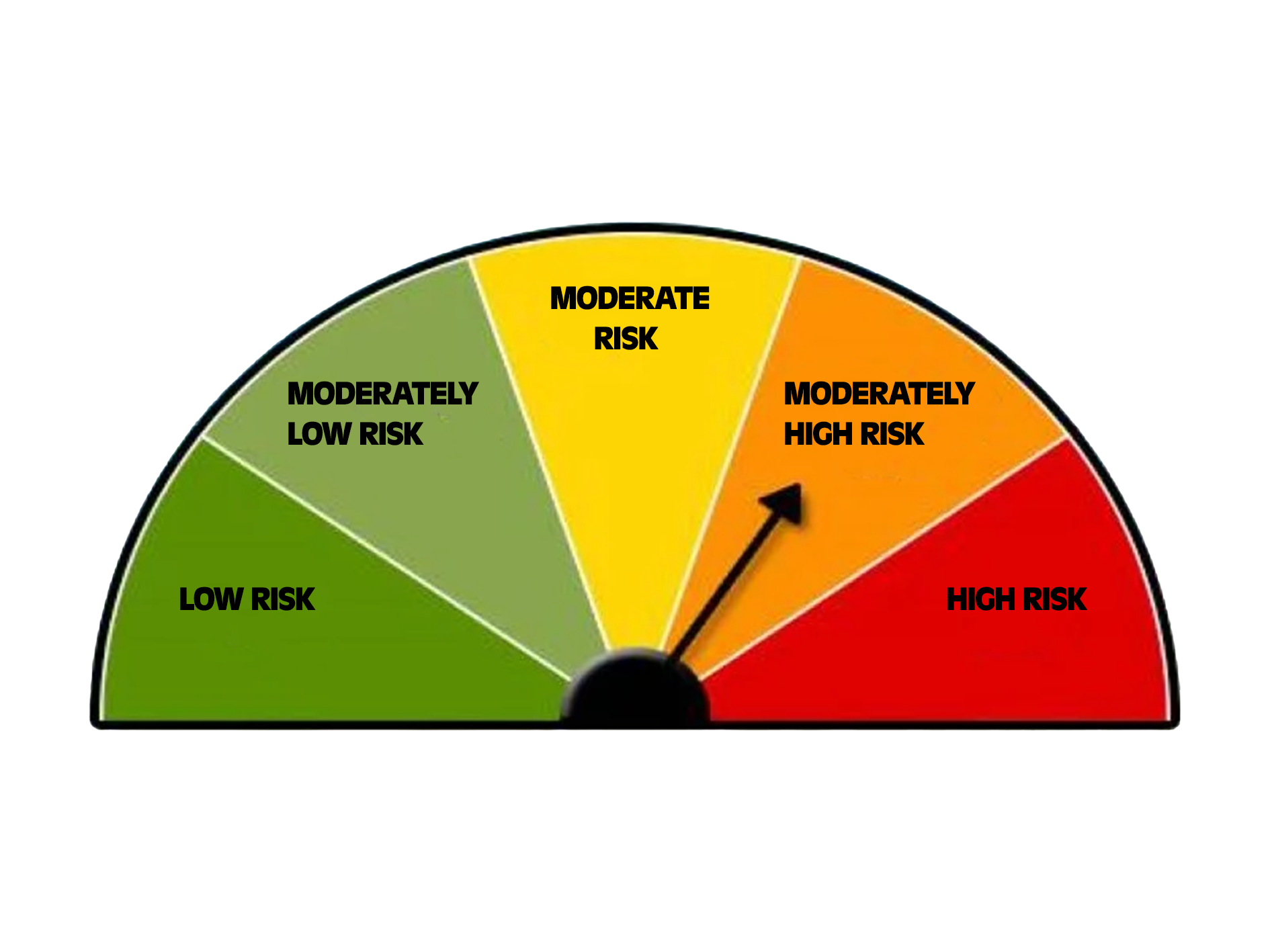
Asset Liability Management (ALM) serves as a strategic framework within financial institutions for managing risks that arise from mismatches between assets and liabilities. The primary purpose of ALM is to ensure the institution’s long-term financial health and operational viability by aligning the maturities, cash flows, and risk profiles of assets and liabilities. This alignment enables the institution to effectively manage financial risks, maintain liquidity, and enhance profitability.
Core Objectives of Asset Liability Management
1. Managing Interest Rate Risk
Fluctuations in interest rates can significantly affect both the earnings and the market value of a financial institution’s assets and liabilities. ALM focuses on minimizing the adverse impact of interest rate volatility by employing strategies such as:
- Diversifying asset portfolios.
- Adjusting the duration of assets and liabilities.
- Utilizing hedging instruments, such as interest rate swaps.
For instance, banks must carefully manage the interest rates they offer on deposits and charge on loans to maintain a stable and favorable net interest margin.
2. Maintaining Liquidity
Liquidity management is a critical component of ALM, ensuring that an institution can meet its short-term obligations and capitalize on investment opportunities. Key aspects include:
- Maintaining an adequate reserve of liquid assets.
- Avoiding the need for distress sales of assets at unfavorable prices due to cash flow shortages.
Effective liquidity management helps the institution maintain smooth operations even during periods of market stress.
3. Optimizing Profitability
ALM aims to enhance profitability by strategically managing the spread between interest earned on assets and interest paid on liabilities. This is achieved through:
- Careful selection of asset and liability instruments.
- Aligning asset-liability structures to maximize net interest income.
- Balancing risk and return considerations in investment and funding decisions.
4. Ensuring Financial Stability
By managing key financial risks—including credit risk, liquidity risk, and market risk—ALM contributes directly to the institution’s financial stability and solvency. A well-structured ALM framework helps:
- Preserve capital adequacy.
- Minimize exposure to adverse market movements.
- Sustain stakeholder confidence in the institution’s financial health.
5. Supporting Strategic Decision-Making
ALM provides critical data and analysis that inform strategic business decisions. It supports the institution in:
- Designing asset allocation and funding strategies.
- Developing risk management policies aligned with institutional risk appetite.
- Making investment and operational decisions that reflect long-term financial objectives.
Conclusion
Asset Liability Management is essential for ensuring the resilience, profitability, and regulatory compliance of financial institutions. By managing interest rate risk, maintaining liquidity, optimizing profitability, and supporting informed decision-making, ALM plays a pivotal role in safeguarding the institution’s financial position and enabling sustainable growth.
Related posts: