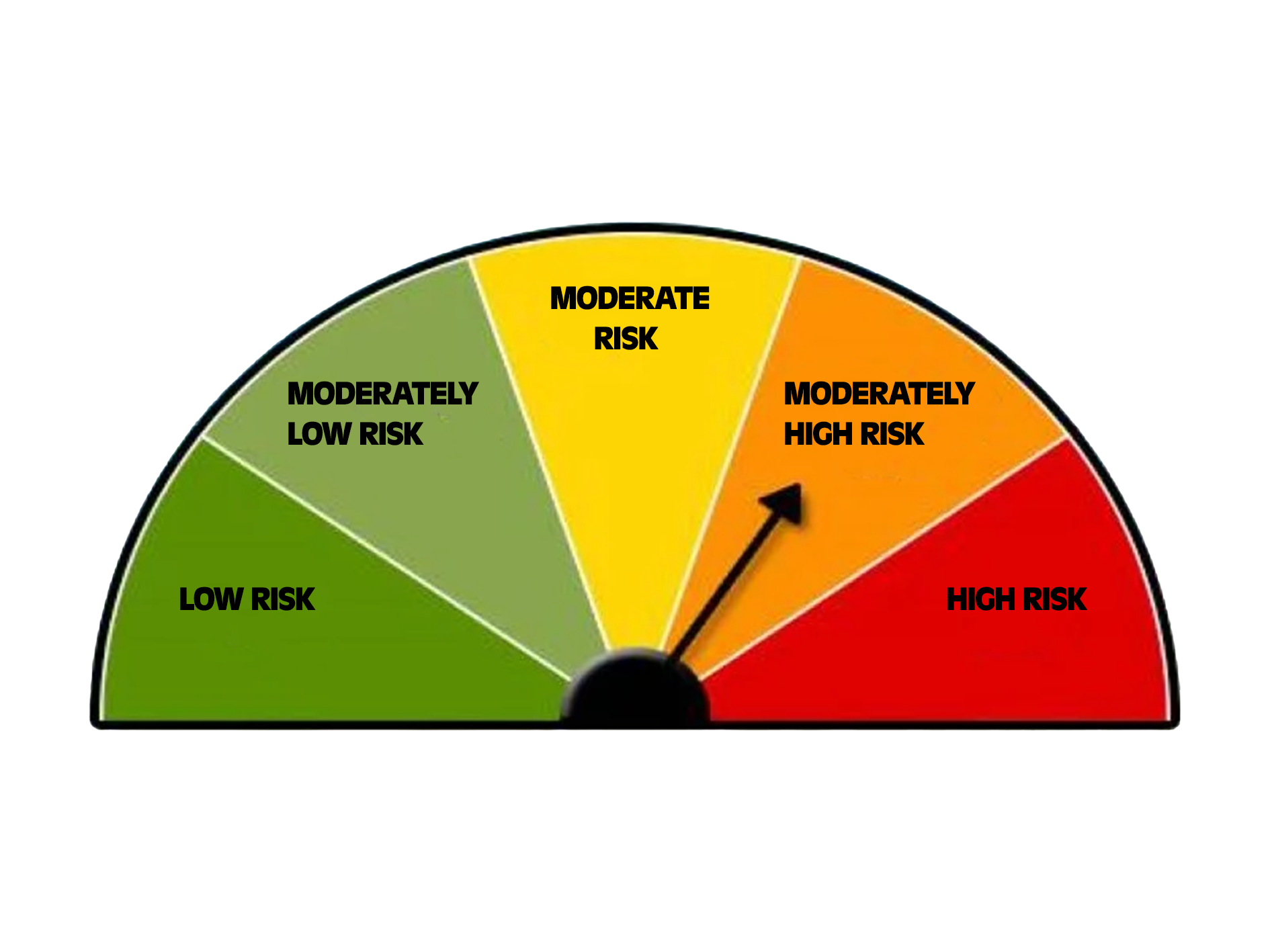
Asset Liability Management (ALM) is a comprehensive and coordinated approach to managing a financial institution’s balance sheet, with the dual aim of optimizing profitability and minimizing financial risks. Rather than focusing on individual asset or liability components in isolation, ALM emphasizes the integrated management of the entire balance sheet, taking into account factors such as interest rate fluctuations, liquidity requirements, and regulatory constraints.
Key Aspects of ALM as Coordinated Balance Sheet Management
1. Strategic Alignment
ALM seeks to align the structure of assets and liabilities with the institution’s strategic financial objectives. These may include maximizing net interest margin, sustaining long-term profitability, and supporting business growth within acceptable risk parameters.
2. Risk Mitigation
One of the central functions of ALM is to manage and mitigate risks arising from balance sheet mismatches. These include:
- Interest Rate Risk: Exposure to losses due to changes in market interest rates.
- Liquidity Risk: The risk of not having sufficient funds to meet short-term obligations.
- Maturity Mismatch Risk: Arising from differing time horizons of assets and liabilities.
ALM employs tools such as duration matching, gap analysis, and hedging strategies to address these risks effectively.
3. Profitability Optimization
Through strategic decision-making regarding the composition and timing of assets and liabilities, ALM enhances the institution’s ability to generate stable and optimized returns. Efficient balance sheet management contributes directly to improved net interest income and overall profitability.
4. Coordination Across Functions
ALM is inherently a collaborative process, requiring coordinated efforts across multiple departments, including:
- Treasury: Responsible for managing funding and investments.
- Risk Management: Focused on identifying, measuring, and mitigating financial risks.
- Finance: Ensures accurate reporting, forecasting, and compliance.
Effective communication and alignment among these units are essential for implementing a unified ALM strategy.
5. Long-Term Financial Planning
ALM takes a forward-looking perspective, incorporating financial forecasts, stress testing, and scenario analysis. This proactive approach helps institutions anticipate potential risks and opportunities, thereby supporting sustainable financial stability over the long term.
6. Regulatory Compliance
Regulatory frameworks mandate financial institutions to maintain specific standards for capital adequacy, liquidity, and risk exposure. ALM plays a key role in ensuring compliance with these requirements, thereby reducing regulatory risk and enhancing institutional credibility.
7. Liquidity Management
Ensuring adequate liquidity is a core objective of ALM. Institutions must be able to meet their payment obligations under both normal and stressed conditions without incurring excessive costs or losses. ALM provides the structure for maintaining optimal liquidity levels.
8. Interest Rate Risk Management
Interest rate volatility can have a substantial impact on an institution’s earnings and net worth. ALM incorporates various techniques, including interest rate gap analysis and the use of derivatives, to manage and mitigate this risk effectively.
Conclusion
Asset Liability Management represents a strategic, institution-wide approach to managing the balance sheet in a coordinated and integrated manner. By aligning assets and liabilities, mitigating key financial risks, and ensuring regulatory compliance, ALM supports the achievement of long-term financial goals. It is essential for maintaining financial stability, optimizing profitability, and sustaining the institution’s overall resilience in a dynamic economic environment.
Related posts: