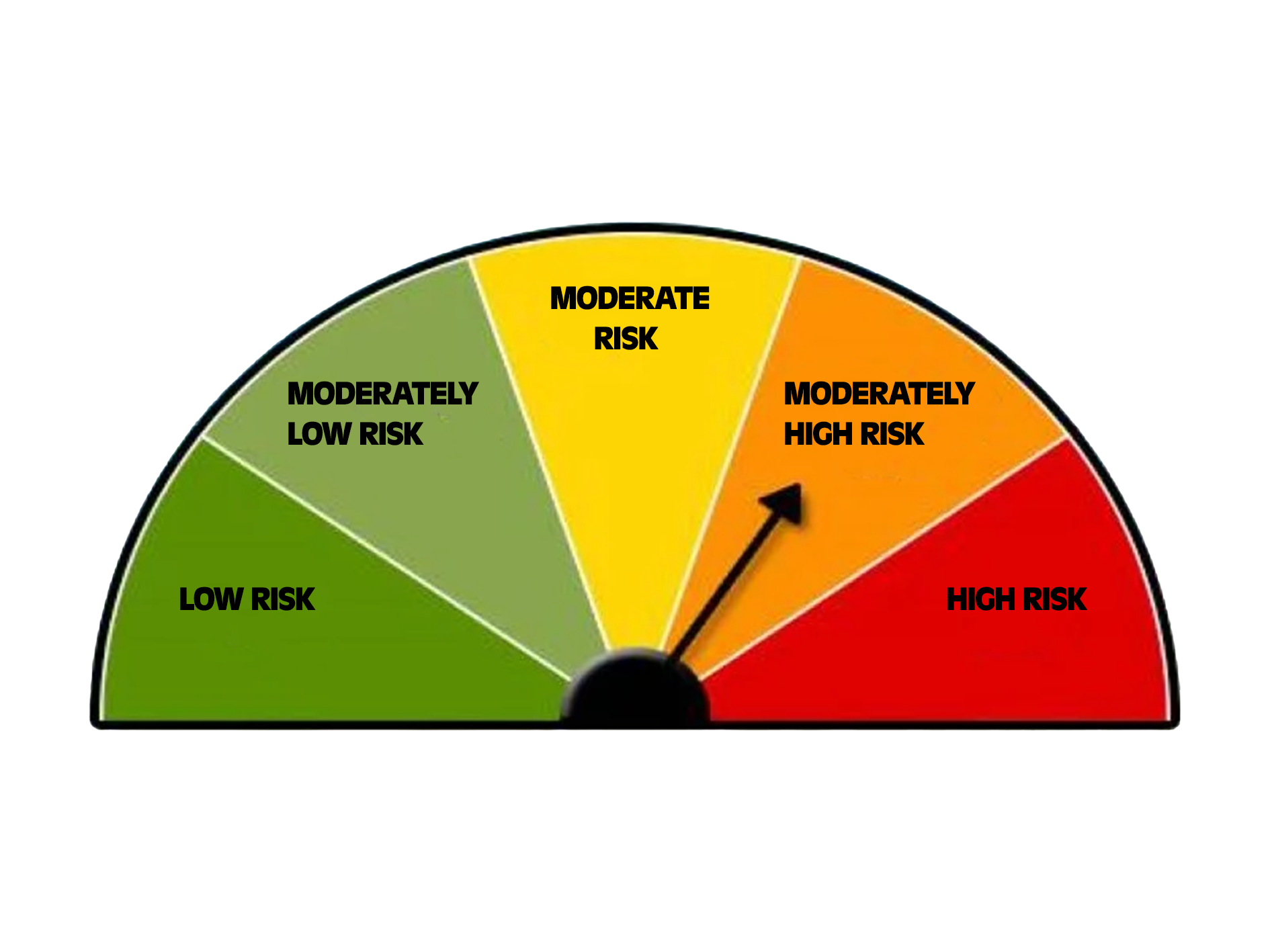
Interest rate risk can significantly affect the financial performance of institutions and borrowers. To manage and mitigate this risk, various hedging strategies are employed, primarily through the use of derivative instruments. The most commonly used derivatives include interest rate swaps, options, futures, and forward rate agreements (FRAs).
Interest Rate Swaps
An interest rate swap is a contractual agreement between two parties to exchange streams of interest payments over a specified period. These contracts are traded over-the-counter (OTC) and do not involve the exchange of principal. The two primary types of swaps are:
1. Fixed-to-Floating Swap: One party pays a fixed interest rate and receives a floating rate (or vice versa). The floating rate is typically linked to a recognized benchmark such as the Mumbai Inter-Bank Offer Rate (MIBOR).
2. Floating-to-Floating Swap: Both parties exchange floating interest payments based on different benchmark rates.
In a **Single Currency Interest Rate Swap (IRS)**, interest payments are exchanged in the same currency on a notional principal amount over regular intervals. These instruments help financial institutions manage risks associated with interest rate fluctuations.
Interest Rate Options:
An interest rate option provides the buyer the right, but not the obligation, to lock in an interest rate on a notional deposit, loan, or related instrument (such as a futures contract) at a future date. The buyer is protected against adverse interest rate movements while retaining the potential benefit of favorable changes.
A bond option allows the holder to buy or sell a fixed or floating rate security at a predetermined price on or before a specified date.
Caps, Floors, and Collars
Caps: An **interest rate cap** allows a borrower with floating-rate debt to set an upper limit on interest payments. If interest rates exceed the cap, the seller of the cap compensates the borrower. The buyer pays a premium for this protection.
Floors: An ‘interest rate floor’ sets a lower bound for interest payments. The seller compensates the buyer if interest rates fall below this level. The seller receives a premium for providing this protection.
Collars: A ‘collar’ combines a purchased cap with a sold floor (or vice versa). This strategy limits interest rate fluctuations within a specified range. While offering protection against rate increases, it also limits the benefit of rate decreases. Collars are typically less expensive than purchasing a cap alone, as the premium paid for one component offsets the premium received for the other.
Interest Rate Futures
Interest rate futures are standardized contracts that allow participants to hedge or speculate on future interest rate movements. These contracts are traded on exchanges such as the National Stock Exchange (NSE) and Bombay Stock Exchange (BSE) in India. The underlying assets typically include government securities like Treasury Bills and bonds.
Mechanism of Interest Rate Futures
Let us consider a borrower with a housing loan who anticipates an interest rate hike in the coming months. By selling an interest rate futures contract, the borrower can offset the potential increase in borrowing costs. If interest rates rise, the value of the futures contract falls. The borrower can then buy back the contract at a lower price, thereby gaining from the trade and offsetting the higher EMI payments.
Example:
Suppose a borrower has a ₹35 lakh home loan and expects interest rates to rise due to policy changes by the Reserve Bank of India (RBI). By selling interest rate futures, the borrower hedges against higher EMIs, thereby managing the risk of increasing interest costs.
Interest rate futures enable market participants to lock in future interest rates, offering protection against rate volatility. Investors can safeguard the value of fixed-rate investments, while borrowers can fix future borrowing costs.
Forward Rate Agreements (FRAs)
A ‘Forward Rate Agreement (FRA)’ is a contract between a bank and a customer to exchange the difference between a pre-agreed fixed interest rate (the FRA rate) and the actual market interest rate on a specified future date. This is calculated on a notional principal for a defined contract period. In effect, FRAs allow borrowers or investors to lock in an interest rate for a future period.
Example Use Case
If a borrower plans to take a foreign currency loan at a floating rate three months from now for a term of six months, they can enter into an FRA to lock in the interest rate today. If the actual rate on the future date differs from the FRA rate, the difference is settled in cash.
FRAs are typically arranged for periods ranging from one to six months, with contract commencement dates up to 18 months in the future. Customers use FRAs to hedge against anticipated changes in interest rates or to modify their interest rate exposure in line with specific risk preferences.
While FRAs help manage interest rate expectations, unexpected rate movements may result in outcomes opposite to those intended. However, customers retain the flexibility to reverse or terminate the contract if necessary.
Conclusion
Effective management of interest rate risk is essential for financial stability and planning. Derivative instruments such as swaps, options, futures, and FRAs provide versatile tools for mitigating the impact of interest rate fluctuations. By employing these strategies, institutions and borrowers can protect themselves against adverse rate movements and achieve greater financial predictability.
Related Posts:
Articles related to Risk Management in ‘Model ‘A’ of CAIIB –Elective paper: