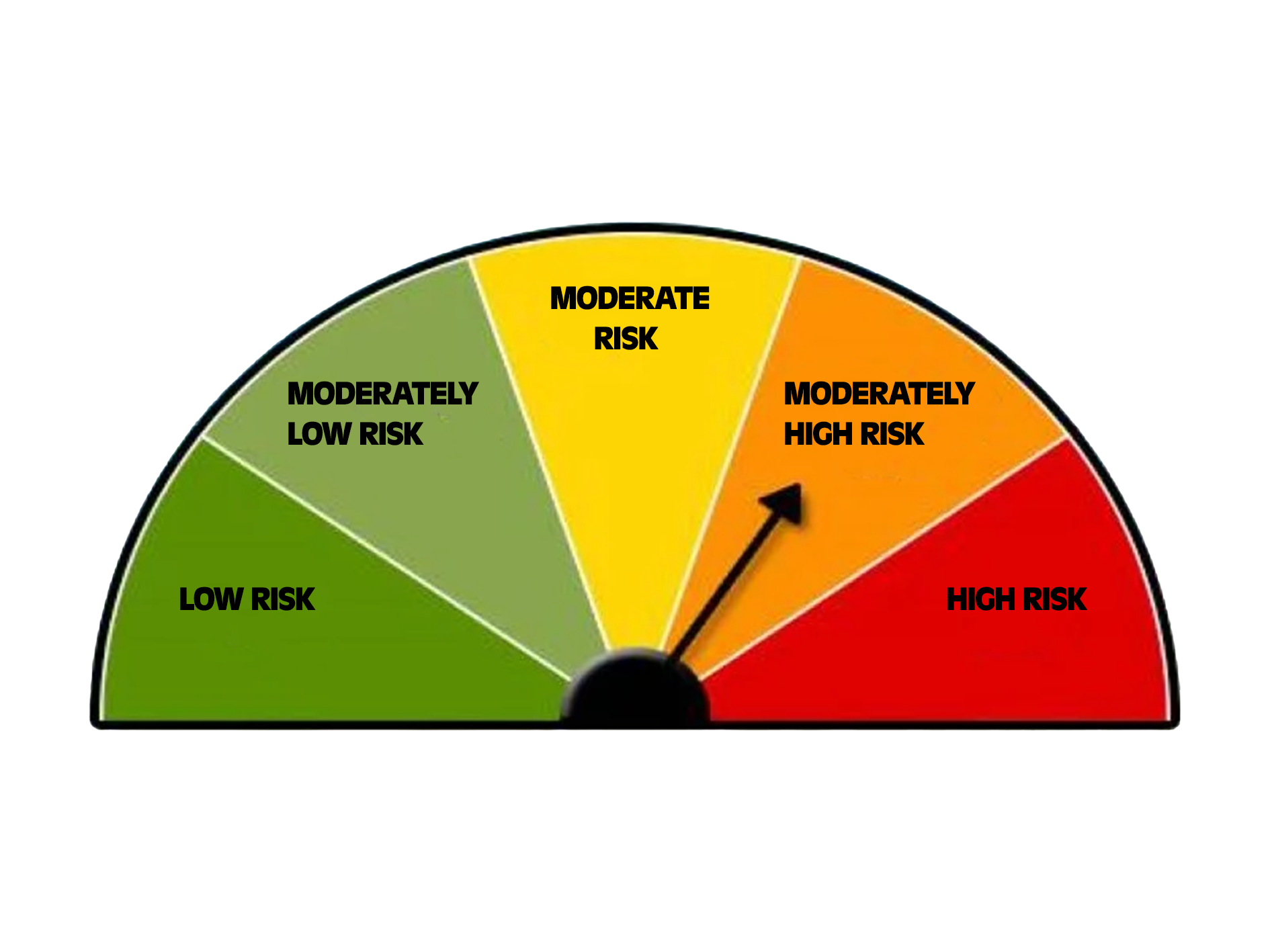
Organizations can materially reduce technology risk by enforcing disciplined lifecycle controls across change, access, monitoring, and vendor ecosystems, aligned to ISO/IEC 27001:2022 and NIST guidance.
Patch management
- Establish an asset inventory, classify systems by criticality, and prioritize remediation of exploitable vulnerabilities, aligned with ISO 27001 Annex A 8.8 on management of technical vulnerabilities.
- Define a patching policy covering identification, risk-based prioritization, testing, deployment windows, rollback, and exception handling tied to the risk register and management review.
- Automate endpoint and server patch status tracking with alerts, set SLAs (e.g., critical patches within defined days), and evidence compliance through dashboards and audit logs.
Change management
- Route production changes through a standardized process: request, risk and impact assessment, approvals, testing, scheduling, communication, and post-implementation review to preserve integrity and availability.
- Segregate emergency changes with expedited approvals and mandatory retrospective reviews; maintain complete records for traceability and auditability.
- Tie high-risk changes to formal security assessments and vulnerability scans before go-live where feasible.
Audit trails
- Enable immutable, time-synchronized logging across applications, infrastructure, identity systems, and security tools to support detection, forensics, and compliance analytics.
- Centralize logs in a SIEM with retention aligned to policy; monitor for anomalies and generate alerts for privileged actions, configuration changes, and failed access.
- Protect logs with access controls and integrity checks; ensure clock synchronization to maintain chain-of-evidence quality.
Security reporting and metrics
- Build tiered reporting: operational KPIs/KRIs for teams, risk analytics for leadership, and governance KPX rollups aligned to NIST CSF 2.0 functions.
- Track leading and lagging indicators such as MTTD/MTTR, patch SLA adherence, endpoint coverage, phishing fail rate, critical findings aging, and third-party risk status.
- Distinguish metrics from analytics—transform point-in-time measures into trends and insights that answer “Are we secure and compliant?” for boards and executives.
Vendors and critical service providers
- Classify vendors by criticality and data sensitivity; perform due diligence on controls (e.g., ISO 27001 certification, SOC 2, security questionnaires) before onboarding.
- Embed security requirements in contracts: breach notification, right to audit, data location, encryption, subprocessor controls, vulnerability management, and incident cooperation.
- Continuously monitor critical providers via attestations, targeted assessments, and performance/incident metrics; integrate into the organization’s risk register and reporting.
Network security
- Apply defense-in-depth: segmentation, least-privilege access, secure configurations, IDS/IPS, and continuous monitoring mapped to NIST SP 800-53 families.
- Enforce secure baselines for perimeter and internal controls, including firewall rule governance, TLS for data in transit, and filtering against known bad destinations.
- Regularly test controls via vulnerability scans and rule reviews; document compensating controls for accepted risks.
Remote access
- Require strong authentication (MFA), device posture checks, and encrypted tunnels; prefer zero trust network access over flat VPN where feasible.
- Limit remote admin access, enforce just-in-time elevation, and log all sessions for review; revoke noncompliant endpoints automatically.
- Apply geo/behavioral restrictions and session timeouts; validate security on BYOD or restrict to managed devices per policy.
DDoS/DoS mitigation
- Use layered defenses: upstream scrubbing/CDN, rate limiting, WAF rules, autoscaling, and network-level filtering to reduce volumetric and application-layer impacts.
- Prepare an incident runbook aligned with NIST’s incident handling guidance: preparation, identification, containment, eradication, recovery, and lessons learned.
- Implement traffic baselining and anomaly detection; pre-negotiate with ISPs and providers to rapidly activate protections during attacks.
Implementing ISO/IEC 27001
- Scope the ISMS, identify interested parties, perform risk assessment and treatment, and establish policies, objectives, and controls referencing Annex A’s 93 controls
- Operate the ISMS with competence, awareness, communication, document control, monitoring, internal audits, and management reviews; drive continual improvement
- Map existing controls and gaps, execute a risk-based implementation roadmap, and use certification audits to validate conformity and maturity progression.
Operational Risk Articles related to Model ‘D’ of CAIIB –Elective paper: