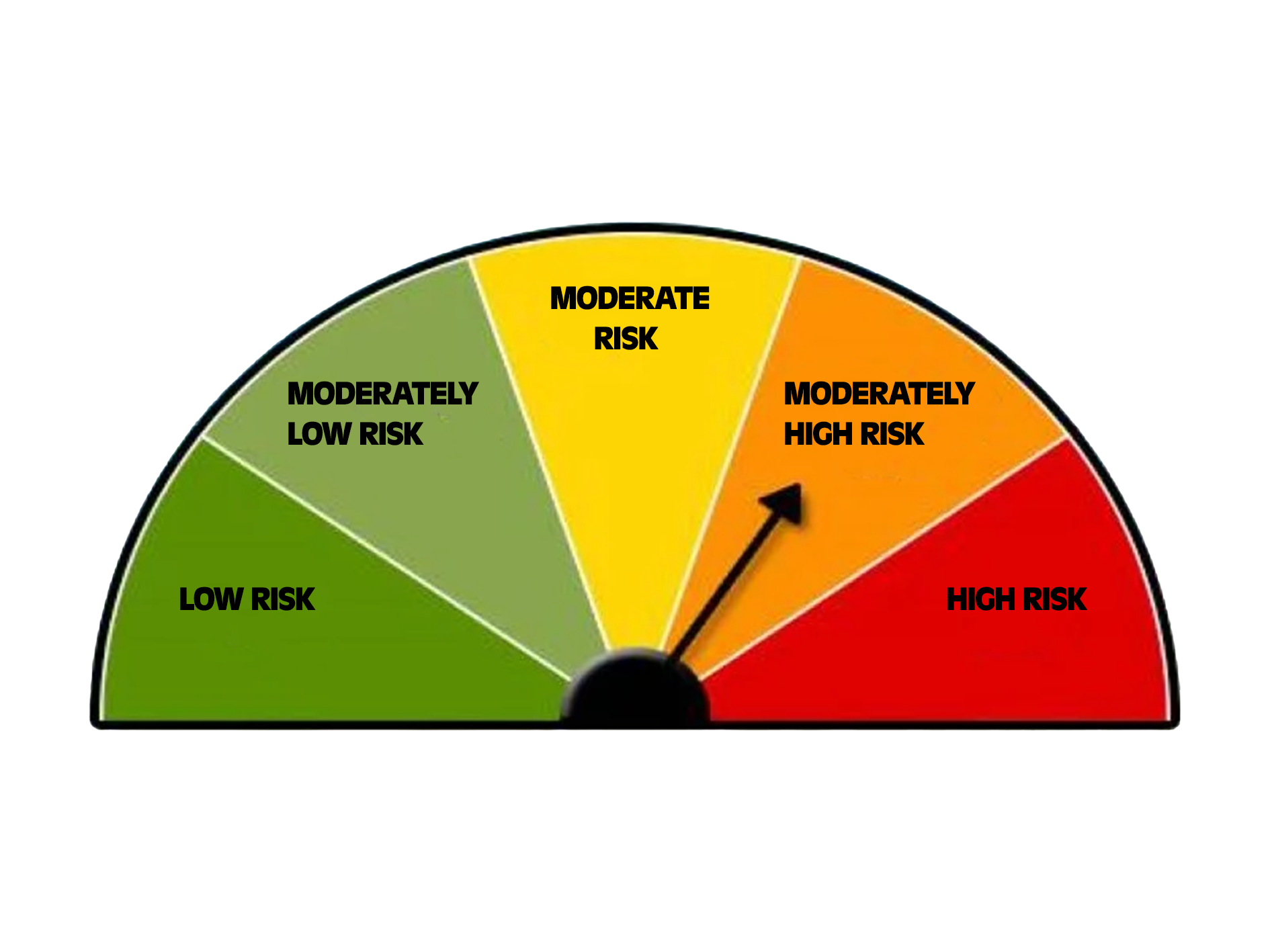
Corporate governance has emerged as a cornerstone of sustainable growth and trust in the banking sector. Sound governance ensures that banks safeguard depositor interests, maintain strong internal controls, and balance profitability with systemic stability. With the growing complexity of financial systems, regulators worldwide have laid increasing emphasis on governance frameworks to protect the integrity of institutions and foster long-term resilience.
What is Corporate Governance?
Corporate governance refers to the system of rules, practices, and processes by which a company is directed and controlled. It encompasses structures that define the relationship between the board of directors, management, shareholders, regulators, and other stakeholders. In simple terms, it ensures that decision-making within an organization is transparent, accountable, and aligned with stakeholder interests. Essential elements include board independence, ethical conduct, disclosure norms, risk oversight, and stakeholder fairness.
Corporate Governance in Banking
Unlike non-financial firms, banks operate with high public trust and leverage depositor funds as their core resource. This unique nature significantly raises the importance of governance practices in the sector. Key aspects of governance in banks include:
- A strong and independent board of directors capable of strategically overseeing management.
- Separation of ownership and management roles to avoid conflicts of interest.
- Rigorous disclosure and transparency in financial reporting.
- Mechanisms to safeguard depositor and investor confidence.
- Compliance with regulatory mandates issued by the Reserve Bank of India (RBI) and other authorities.
Banks face systemic risks, and any governance lapses can have far-reaching effects on financial stability. For this reason, regular board oversights, comprehensive risk governance policies, and effective internal audit frameworks are critical.
Basel Committee and Corporate Governance
The Basel Committee on Banking Supervision (BCBS) has played a significant role in setting governance benchmarks for global banks. It highlights the responsibility of boards and senior management in ensuring effective risk oversight and fostering a culture of compliance and accountability. The Basel Committee’s principles emphasize:
- Clear organizational structures with well-defined roles and responsibilities.
- Appropriate checks and balances to avoid dominance by any single individual or group.
- Independent risk management and compliance functions with adequate authority.
- Transparency in corporate disclosures, especially regarding risk exposures.
- Regular monitoring of governance standards by supervisors and regulators.
These principles serve as a global reference point, guiding both international banks and domestic regulators in shaping governance frameworks best suited to their contexts.
Role of Risk Management in Corporate Governance
Risk management is at the very heart of corporate governance in banking. Effective governance ensures that risks—credit, market, operational, cyber, and reputational—are identified, assessed, and mitigated through structured frameworks. Key governance mechanisms include:
- Board-level risk committees to oversee enterprise-wide risk issues.
- Implementation of internal risk limits backed by monitoring tools.
- Independent audit functions for unbiased review of risk practices.
- Integration of stress testing, capital adequacy, and liquidity management into strategic decisions.
Embedding risk management into the governance culture allows banks to not only meet regulatory expectations but also enhance resilience in volatile financial environments.
Benchmarking in Corporate Governance
Benchmarking helps banks measure their governance practices against regulatory standards, global best practices, and peer institutions. Tools such as governance scorecards, board performance evaluations, and stakeholder feedback surveys enable banks to identify gaps and improve decision-making frameworks. Regulators like RBI also assess governance effectiveness through supervisory mechanisms, ensuring that banks remain aligned with global standards while addressing local challenges.
For Indian banks, benchmarking against Basel norms and international codes of governance—while also adhering to domestic legal and regulatory requirements—creates a balanced roadmap toward robust governance.
Recent RBI governance reforms for Indian banks focus on strengthening board effectiveness, clarifying committee structures, reinforcing risk and compliance independence, and enhancing disclosure and supervisory convergence with global standards. Key updates since 2021 emphasize independent oversight, board competence, and calibrated proportionality aligned with Basel principles and the revised Basel Core Principles (2024).
Board composition and competence
- Banks must ensure professional, time-committed boards with clear separation between strategic oversight and day‑to‑day management led by the MD/CEO, with policy circulars and supervisory materials placed before the board for action at all times.
- RBI has reinforced expectations for collective board expertise, stronger independence, and the presence and authority of risk, compliance, and internal audit functions, consistent with the Basel Committee’s corporate governance principles.
Board committees and independence
- RBI’s post‑2020 reforms tightened the constitution and independence of key board committees (Audit, Risk, Nomination/Remuneration), elevating independent director presence and clarifying roles to avoid dominance by any single individual or group.
- Guidance operationalizes the three lines of defence, requiring that risk management and compliance have stature, resources, and direct access to the board, aligned with Basel’s emphasis on risk governance and sound risk culture.
Board processes, calendars, and supervision
- Banks are expected to streamline board agendas toward strategic and financial priorities, strengthen review calendars, and ensure timely consideration of supervisory communications and audit findings; boards have been updating their calendars and reporting to meet these expectations.
- Supervisory consolidation circulars and handbooks reiterate that governance expectations bind prudential areas (e.g., ownership, fit‑and‑proper, disclosure), with supervisors assessing board effectiveness and follow‑through on recommendations.
Risk governance and controls
- Reforms stress enterprise‑wide risk oversight, including robust board‑level risk committees, risk appetite frameworks, stress testing integration, and integrity of IT and data—reflecting RBI’s convergence with Basel’s risk governance principles and the revised Basel Core Principles (2024).
- Banks must maintain strong internal control and assurance mechanisms, including independent internal audit and credible remediation of inspection findings, to uphold transparency and soundness.
Disclosure and transparency
- RBI aligns disclosures with global best practices, emphasizing transparent reporting of risk exposures, financial integrity, and timely public communication of material developments to sustain market discipline and depositor confidence.
- Supervisory consolidations up to March 31, 2024 aggregate Prudential and governance-related guidance, signaling continued focus on consistent, comparable disclosures.
Alignment with global standards
- RBI’s framework is intentionally harmonized with the Basel Committee’s 13 corporate governance principles, which underscore board roles, risk culture, competence, and compensation alignment with prudent risk‑taking.
- The 2024 revision of the Basel Core Principles (Principle 14: Corporate Governance) further elevates expectations on operational resilience, systemic risk management, and proportionality—areas visible in RBI’s supervisory messaging and guidance.
Practical implications for banks
- Revisit board skills matrices, ensure independent director strength, and document continuous training and time commitment.
- Re‑charter board committees to secure independence, direct reporting lines for risk/compliance, and clear escalation protocols.
- Refresh risk appetite frameworks, embed stress testing into strategy, and strengthen IT/data integrity reporting to the board.
- Enhance disclosures and board calendars to reflect supervisory priorities and timely action on audit and inspection observations.
Conclusion
Strong corporate governance ensures that banks operate transparently, manage risks prudently, and protect the trust reposed by millions of customers and investors. The combined influence of frameworks like those of the Basel Committee, regulatory requirements, and sector-specific practices makes governance both a regulatory necessity and a strategic advantage. By embedding risk management in governance and benchmarking practices against global standards, banks can strengthen resilience, enhance stakeholder confidence, and contribute to long-term financial stability.
Operational Risk Articles related to Model ‘D’ of CAIIB –Elective paper: