Banks are the backbone of any modern economy, acting as custodians of public savings and providers of credit that fuel growth. However, given their central role, banks are also exposed to risks that, if left unchecked, can destabilize the financial system. This is why regulation and supervision are not just necessary but critical in maintaining trust, stability, and resilience in the banking sector.
Need for Regulation of Banks
Regulating banks serves several vital purposes that go beyond just compliance requirements:
- Protecting Depositors: Since banks deal with public funds, regulation ensures depositors’ money is safe. In case of failure, unregulated banks could lead to large-scale financial losses for ordinary people.
- Maintaining Financial Stability: Banking crises have the potential to ripple through the economy, creating unemployment, reduced investments, and fiscal stress. Strong regulations help prevent bank runs and systemic crises.
- Encouraging Responsible Lending: Regulations guide banks in managing credit risk, ensuring they lend responsibly and avoid excessive exposure to bad loans.
- Preventing Misconduct: By setting standards for governance, ethical practices, and transparency, banking regulations minimize fraud, insider trading, and corrupt practices.
- Ensuring Monetary Transmission: Banks are integral to a country’s monetary policy mechanism. Regulation ensures they transmit policy changes—such as repo rate adjustments—to borrowers and depositors effectively.
Banking Regulation and Supervision
Banking regulation refers to the rules and guidelines issued by authorities, while supervision involves monitoring compliance with those rules. Together, they form the foundation of a safe and sound banking system.
- Regulation establishes standards for capital adequacy, asset classification, provisioning norms, lending practices, and ownership structures.
- Supervision involves continuous oversight of banks’ operations through inspections, audits, and reporting mechanisms, ensuring that regulations are implemented effectively.
Globally, institutions like the Bank for International Settlements (BIS) and the Basel Committee on Banking Supervision (BCBS) have set international benchmarks for prudential regulation, which national regulators adopt and adapt to local contexts.
Key objectives of banking regulation and supervision include:
- Promoting confidence in the financial system
- Minimizing risk of failure by ensuring adequate capital buffers
- Establishing fair competition among banks
- Aligning banking practices with global best standards
Banking Regulation and Supervision in India
In India, the Reserve Bank of India (RBI) is the primary regulator and supervisor of the banking system. Its role extends beyond licensing banks to ensuring their financial health and governance standards.
Key aspects of banking regulation in India include:
- Statutory Framework: The Banking Regulation Act, 1949 provides the legislative foundation governing banking operations in India. It empowers RBI to regulate licensing, shareholding, board structure, and audit requirements.
- Capital Adequacy Norms: Indian banks must follow capital requirements in line with Basel standards, ensuring they maintain sufficient capital to absorb potential losses.
- Prudential Norms: RBI prescribes guidelines on income recognition, asset classification, provisioning, and exposure limits to control credit risk.
- Supervisory Mechanism: The RBI employs both on-site inspections and off-site monitoring to oversee banks. It frequently issues circulars and notifications to address emerging risks.
- Resolution Framework: To handle stressed assets and weak banks, RBI enforces prompt corrective action (PCA) and, in extreme cases, can merge failing banks with stronger ones to safeguard public interest.
Additionally, deposit insurance through the Deposit Insurance and Credit Guarantee Corporation (DICGC) protects small depositors should a bank fail, further strengthening confidence.
Cooperative bank crises in India
Indian cooperative banks have faced recurring crises driven by weak governance, political interference, dual regulation, and concentration risks, culminating in depositor distress and regulatory interventions. These episodes underscore why tight prudential norms, fit-and-proper criteria for boards, robust audits, and early supervisory action are essential to protect small savers and preserve confidence.
- Punjab & Maharashtra Cooperative (PMC) Bank, 2019: One of the largest urban cooperative bank failures, PMC masked concentrated exposures to HDIL through evergreening and falsified reporting, triggering withdrawal curbs and widespread depositor hardship; the episode highlighted acute failures in internal control, credit concentration limits, and board oversight in UCBs.
- CKP Cooperative Bank, 2020: The banking licence was cancelled after prolonged capital erosion and severe governance lapses; depositors faced protracted resolution timelines, illustrating the costs of delayed supervisory escalation and inadequate recovery capacity in weak UCBs.
- Mapusa Urban Co‑operative Bank, 2021: Persistent irregularities and unsustainable lending led to licence cancellation after extended restrictions; the case reinforced the need for time‑bound resolution pathways and realistic revival assessments.
- New India Co‑operative Bank, 2025: Regulatory action including supersession of the board and stringent restrictions followed concerns over fund misappropriation, mounting losses, and liquidity stress; the episode revived debate on dual control, professional management deficits, and the efficacy of conversion pathways (e.g., SFB transition) for viable UCBs.
- Sector-wide stress indicators: Over recent years, dozens of cooperative banks have been liquidated or merged, with stress tests flagging vulnerabilities to credit and liquidity shocks across a segment whose market share has steadily declined; deposit insurance provides a backstop up to the insured limit but cannot substitute for prudential governance and timely resolution.
What these crises teach
- Governance over form: Cooperative ownership alone does not ensure prudence; professional management, independent oversight, and real-time risk analytics are foundational.
- End the concentration trap: Enforce hard limits and granular surveillance of single-borrower and group exposures, related-party transactions, and sectoral concentrations.
- Fix dual control: Clarify lines of accountability between state cooperative authorities and the central bank; align supervisory powers, audit standards, and fit-and-proper criteria with commercial bank norms.
- Early action, faster exits: Strengthen off-site surveillance to trigger prompt corrective measures sooner; where viability is lost, expedite mergers, purchase-and-assumption deals, or orderly liquidation to minimize depositor harm.
- Technology and transparency: Mandate core banking, automated red flags, and straight-through reporting; improve disclosure frequency and quality for depositor and market discipline.
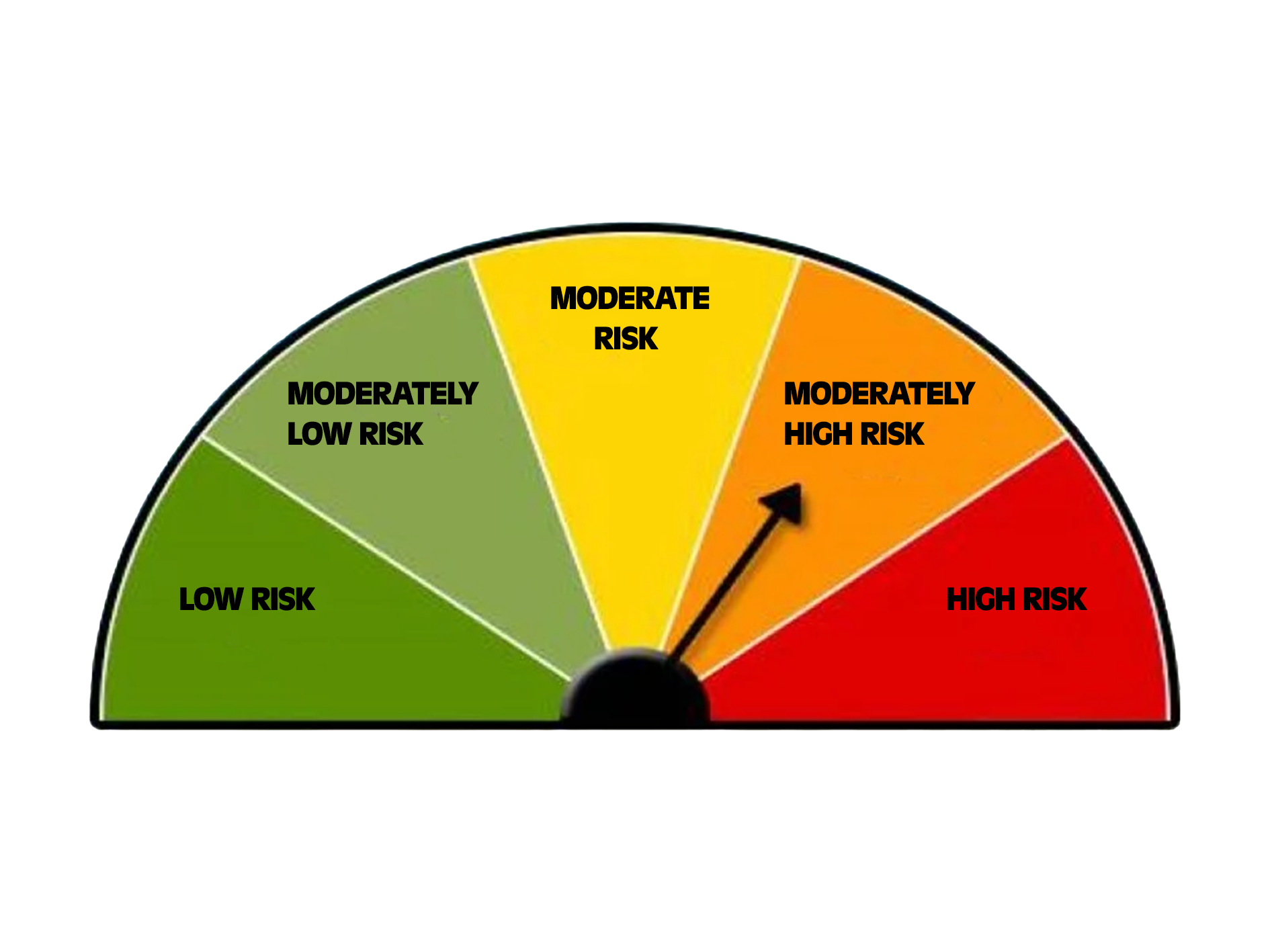
Banking is an inherently risky business, but these risks must be managed in the larger interest of economic stability and public confidence. Regulations provide the necessary framework, while supervision ensures compliance. In India, the RBI’s vigilant role has helped maintain resilience even during global crises, underscoring the critical importance of banking regulation as the guardian of stability in the financial system. XXX
Risk Management Articles related to Model ‘E’ of CAIIB –Elective paper: