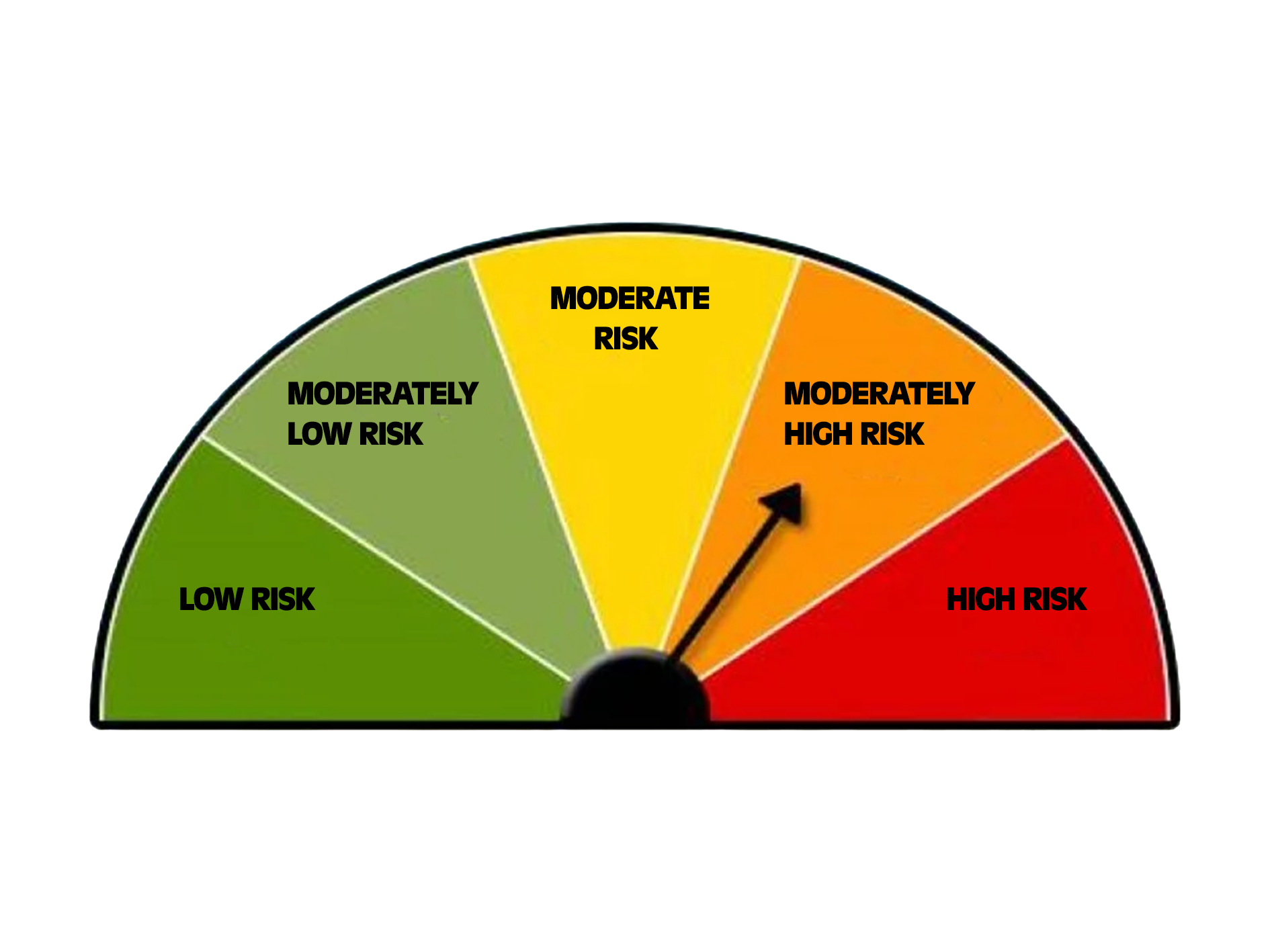
The Supervisory Review Process (SREP) and the Internal Capital Adequacy Assessment Process (ICAAP) together ensure that banks maintain capital commensurate with their risk profile and operate above minimums using forward‑looking, proportionate, and well‑governed processes, with supervisors empowered to review, challenge, and intervene early where needed.
Objective of Pillar 2
Pillar 2 aims to ensure banks assess capital adequacy relative to all material risks and maintain strategies to sustain capital levels consistent with their risk profile and appetite beyond Pillar 1 minima. Supervisors review the bank’s assessments, expect buffers above regulatory floors, and intervene early to prevent breaches and address weaknesses under SREP.
ICAAP principles
Basel sets four core Pillar 2 principles: banks must run a comprehensive ICAAP; supervisors must review ICAAP; banks should operate above minimum capital; and supervisors should act early when risks emerge. ICAAP should be integrated, risk‑based, proportional to size and complexity, and supported by governance, monitoring, and internal controls.
Definitions
ICAAP is the bank’s internal, comprehensive process to identify, measure, aggregate, monitor, and manage risks, and to assess and plan capital adequacy accordingly, including forward‑looking elements and stress testing. SREP is the supervisory review and evaluation of the bank’s ICAAP, governance, risks, and capital planning, leading to supervisory expectations and potential add‑ons or actions.
Coverage by ICAAP
ICAAP must cover all material risks, including those not fully captured in Pillar 1 such as IRRBB, concentration, liquidity and funding risks, business/strategic risk, model risk, and other residual risks, in addition to credit, market, and operational risks. The assessment should be on a consolidated basis where applicable and reflect the bank’s specific risk profile and business model.
Structural aspects of ICAAP
A sound ICAAP comprises board oversight, clear policies, risk identification and aggregation, robust capital assessment, management information, and internal control and validation frameworks documented and reviewed regularly. It links strategy, risk appetite, capital planning, and recovery options within a documented annual cycle, updated upon material change.
Risk appetite
A board‑approved risk appetite statement should define quantitative and qualitative risk capacity, appetite, tolerances, and limits aligned with strategy, including time horizons and allocation down to business lines with governance for setting and review. The framework should cascade to limits and metrics for material risks and integrate with planning, stress testing, and incentives.
Actual and target risk structure
ICAAP should map current risk profile against target risk structure by risk type, business line, and horizon, evidencing how strategic shifts, growth, and de‑risking translate into capital demand and buffers. Variances to target should trigger management actions, limit recalibration, or capital reallocation consistent with risk appetite
Identifying, measuring, monitoring, reporting
Banks must identify all material risks, apply sound and conservative measurement methodologies, aggregate exposures, monitor against limits, and report timely, decision‑useful MI to senior management and the board. Where models are used, assumptions and limitations should be transparent, and conservative overlays applied where uncertainty is material.
Internal control
ICAAP requires effective internal controls including model governance, validation, independent risk management, internal audit coverage, and clear documentation to ensure reliability and integrity of the assessment. Controls should ensure data quality, change management, and consistency between ICAAP, financials, and regulatory returns.
Submission of ICAAP outcomes to the Board and RBI
Outcomes of ICAAP, including capital adequacy conclusions, stress test results, and capital plans, should be reviewed and approved by the board and submitted to the supervisor as per regulatory expectations and timelines. The package should demonstrate linkage to strategy, risk appetite, and SREP feedback, and support supervisory dialogue.
ICAAP as part of management culture
The ICAAP must be embedded into management and decision‑making, informing pricing, performance measurement, planning, limit setting, and strategic choices, rather than a parallel compliance exercise. Integration should be evident in board packs, committee agendas, and business planning cycles.
Principle of proportionality
ICAAP scope, depth, and sophistication should be proportionate to the bank’s size, risk profile, and complexity while remaining comprehensive for all material risks. Proportionality applies equally to supervisory reviews and expectations under SREP.
Regular independent review and validation
Banks should ensure periodic independent validation of models and methodologies and obtain internal audit or equivalent independent review of the overall ICAAP process and controls. Findings should lead to remediation plans tracked by management and overseen by the board risk and audit committees.
ICAAP as a forward‑looking process
ICAAP must project risk and capital needs over multi‑year horizons consistent with the planning cycle, accounting for business strategy, macro conditions, and risk migration. Forward‑looking analysis should consider management actions, contingency plans, and feasibility under stress.
Stress tests and scenario analyses
Banks should embed rigorous stress testing and scenario analysis into ICAAP, including sensitivity, scenario, and reverse stress tests covering idiosyncratic and systemic shocks and their impact on capital and liquidity. Severe‑but‑plausible scenarios should drive buffer calibration, recovery options, and credible management actions.
Identifying and measuring material risks
Materiality assessment should combine quantitative thresholds and qualitative judgement to capture emerging, hard‑to‑quantify risks, applying conservative capital or control overlays as needed. Interest rate risk in the banking book, concentration risk, and business model risks warrant explicit frameworks under ICAAP.
Capital planning
Capital planning should align with strategy and risk appetite, projecting CET1, AT1, and Tier 2 needs, issuance plans, dividend policy, and buffer targets over a multi‑year horizon including stress paths. Plans should evidence feasibility, market access, and contingency actions to restore buffers under adverse scenarios and SREP expectations.
Capital allocation
ICAAP should translate risk assessments into capital allocation across risk types and business lines using coherent aggregation and diversification assumptions with clear policies for add‑ons and buffer setting. Allocation should inform pricing, RAROC, performance management, and portfolio steering consistent with target risk structure.
India context and references
RBI’s Basel capital regulations recognize ICAAP and SREP as the two key components of Pillar 2 and expect banks to maintain adequate capital through internal assessments and supervisory review, including forward‑looking stress testing and capital planning. Indian banks’ Pillar 3 disclosures and supervisory interactions reflect ICAAP integration into multi‑year planning and risk governance under RBI guidance.
Risk Management Articles related to Model ‘E’ of CAIIB –Elective paper:
XXX