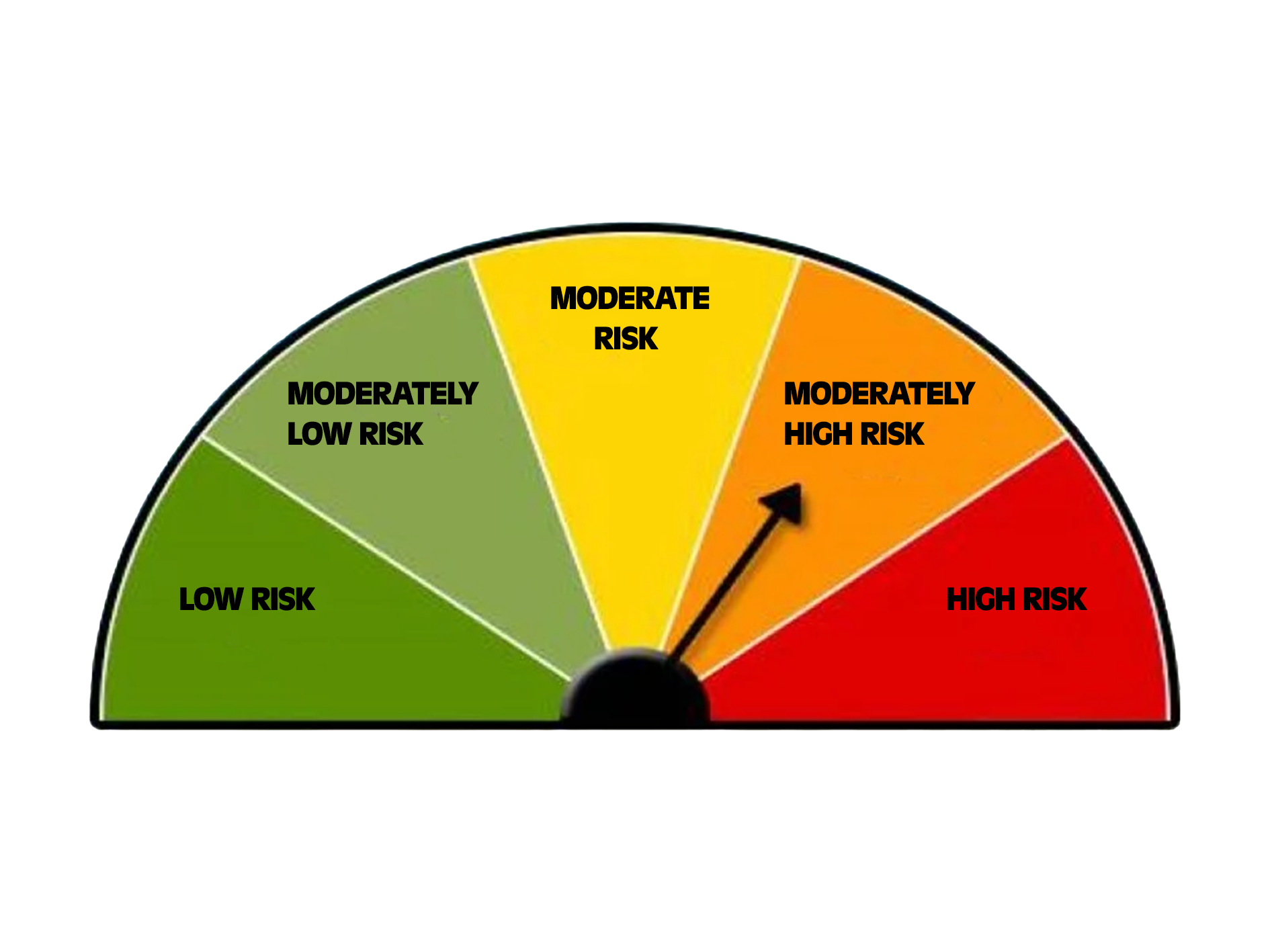
Stress testing within ICAAP is a forward‑looking, governance‑anchored discipline that evaluates a bank’s resilience under adverse yet plausible conditions and informs capital planning, risk appetite, and early corrective actions aligned with supervisory expectations under Pillar 2 and the PCA framework.
Role and objective
Stress testing in ICAAP assesses whether internal capital and liquidity are adequate to absorb losses across adverse scenarios while sustaining strategy, thereby operationalizing risk appetite and informing management actions and buffer calibration above minima.
Process overview
A sound process defines governance, scenarios, methodologies, data and controls; executes calculations across risk types and entities; aggregates impacts on earnings, capital and liquidity; and links results to concrete management actions and capital plans.
Sensitivity analyses
Sensitivity tests isolate the effect of single‑name or parameter shocks, such as PD upshifts, LGD increases, basis or yield curve shifts, FX devaluations, or fee‑income shortfalls, helping validate model elasticity and identify fragile assumptions.
Scenario analyses
Scenario analysis combines multiple, consistent macro‑financial shocks over defined horizons, translating them into risk parameters, P&L, capital and liquidity impacts, and enabling a structured view of portfolio migration, concentration, and second‑order effects.
Reverse stress testing
Reverse stress testing identifies breakpoints where business viability or regulatory thresholds fail, then works backward to map conditions and vulnerabilities, revealing hidden concentrations and challenging optimistic actionability assumptions.
Stress testing framework
The framework should cover governance and roles, risk taxonomy, scenario design standards, satellite modeling, aggregation and diversification policy, data lineage and quality, validation and use‑test, and thresholds that trigger actions and board escalation.
Single‑factor stress tests
Single‑factor tests apply uniform shocks to individual drivers—credit spreads, collateral haircuts, retail default rates, NII under rate paths, or operational loss severities—to benchmark sensitivity and calibrate overlays where model uncertainty is high.
Bank classification for stress testing
Design and intensity should be proportionate to size, complexity and risk: large/complex banks require comprehensive macro‑linked, multi‑risk projections and enterprise aggregation; mid‑tier banks can apply simplified but consistent macro linkages; small banks may use expert‑based scenarios with conservative overlays and documented assumptions.
PCA framework linkage
A rigorous ICAAP stress program supports early‑warning metrics aligned to PCA triggers (capital, asset quality, and leverage), enabling pre‑emptive capital conservation, portfolio deleveraging, liability management, and dividend restrictions before thresholds are breached.
PCA criteria in practice
Stress results should monitor projected CET1/Tier 1/total capital, net NPA dynamics, and leverage ratio paths against internal early‑warning bands tighter than regulatory triggers, with clear playbooks for timely remedial measures and supervisory engagement.
Governance and risk appetite
Boards approve the risk appetite statement, scenario set, severity standards, and decision thresholds; senior management ensures integration with planning, pricing, and limit‑setting so stress outcomes directly influence strategy and resource allocation.
Data, models, and controls
Methodologies must be documented, validated, and independently reviewed; data should be reconciled to finance and regulatory returns; overlays and expert judgment require traceable rationales, sensitivity checks, and periodic back‑tests.
Capital planning integration
Stress outputs feed multi‑year capital planning, determining buffer sizing, capital issuance windows, dividend policies, and contingency actions; plans should evidence feasibility under adverse market access and execution constraints.
Management actions
Playbooks should list credible, time‑sequenced actions—expense cuts, RWA optimization, re‑pricing, limit tightening, hedging, balance‑sheet shrinkage, and capital measures—quantified for impact, cost, dependencies, and risks of partial execution.
Liquidity and funding
Although part of ILAAP formally, ICAAP stress testing should consider interconnected liquidity stresses—funding outflows, haircuts, and collateral needs—so solvency and liquidity views are consistent and do not assume mutually exclusive conditions.
Model risk and overlays
Where model risk is material, conservative add‑ons, parameter floors, and challenger models should be used, with transparent governance for activation, performance monitoring, and retirement when evidence improves.
Documentation and frequency
Run a full annual cycle with interim refreshes upon material changes; maintain end‑to‑end documentation from scenario rationales and modeling choices to aggregation rules and board decisions to support auditability and supervisory dialogue.
Disclosure and use‑test
Pillar 3 narratives should reflect methodology and governance at an appropriate level of detail, while internal MI demonstrates genuine use in planning, risk limits, pricing, and product approvals, closing the loop between stress insights and decisions.
Common pitfalls to avoid
Avoid overly benign scenarios, unvalidated management actions, rigid reliance on historical correlations, double‑counting diversification, and disconnects between ICAAP, budgeting, and recovery planning that undermine credibility.
Implementation roadmap
Start with a material risk assessment and data inventory, define governance and risk appetite linkages, build a minimal‑viable scenario and modeling set for key portfolios, validate and back‑test, and iterate toward full enterprise aggregation with clear action triggers.
This article is drafted in a professional, blogger‑friendly tone to serve as a standalone reference for designing and embedding ICAAP‑aligned stress testing that is proportionate, forward‑looking, and tightly linked to capital planning and the PCA early‑intervention paradigm.
Risk Management Articles related to Model ‘E’ of CAIIB –Elective paper: