Capital investment decisions involve committing current resources in exchange for a stream of benefits expected in future years. In essence, all expenditures made by a firm are aimed at generating future returns.
For a business, capital investment is a long-term growth strategy. Such investments are planned and executed to ensure sustained growth, enhance operational capacity, capture a greater market share, and generate higher revenues.
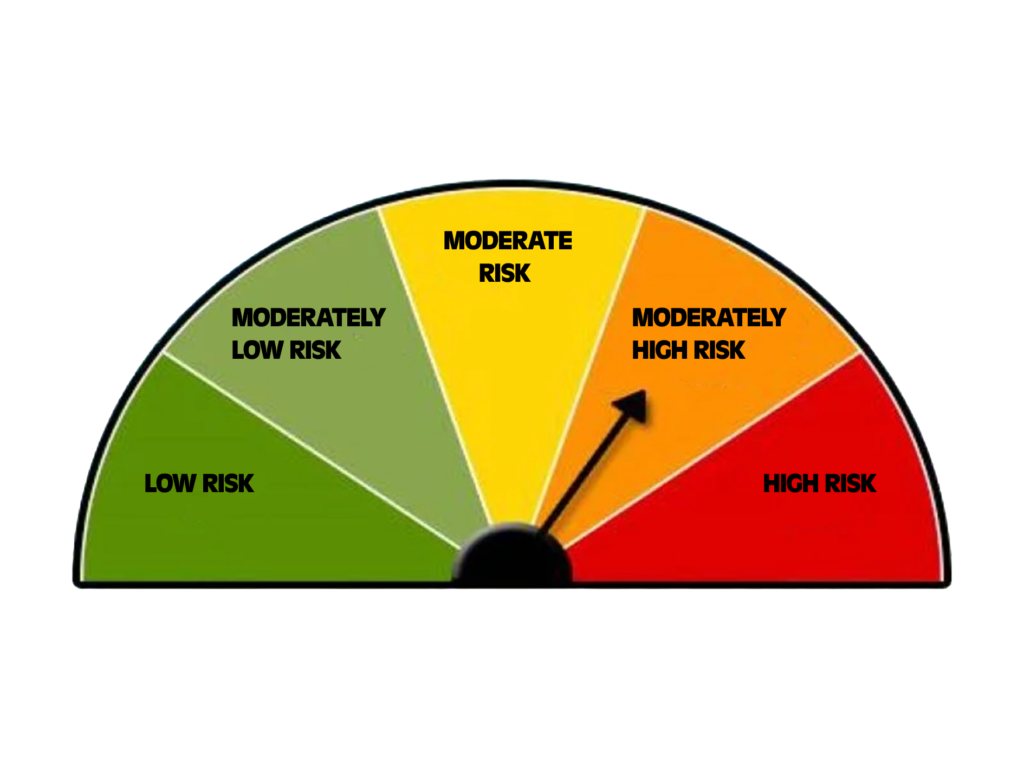
The overarching objective of any investment process is to **minimize risk** while **maximizing expected returns**, ensuring both the **safety** and **liquidity** of the invested assets.
Types of Investments
Investments may be broadly classified into:
* Financial Investments – The allocation of funds to derive future income in the form of interest, dividends, premiums, pension benefits, or appreciation in asset value.
* Economic Investments – Undertaken with the aim of increasing the economy’s capital stock, which includes goods and services.
Real vs. Financial Assets
Investment in financial assets differs from investment in physical (real) assets in several key aspects:
1. Divisibility – Financial assets are divisible, allowing investors to buy or sell small portions (e.g., shares of a company). Physical assets are typically indivisible.
2. Marketability (Liquidity) – Financial assets can usually be bought or sold quickly in organized markets without significantly affecting their price. Physical assets, by contrast, generally have lower liquidity.
3. Holding Period – Financial assets can be held for varying durations, from months to years, depending on the investor’s goals and strategy. Physical assets are typically held for longer periods.
Conclusion
Capital investment decisions are central to a company’s long-term success. By carefully balancing risk, return, safety, and liquidity, businesses can ensure that their investments support sustainable growth and value creation.
Related Posts: