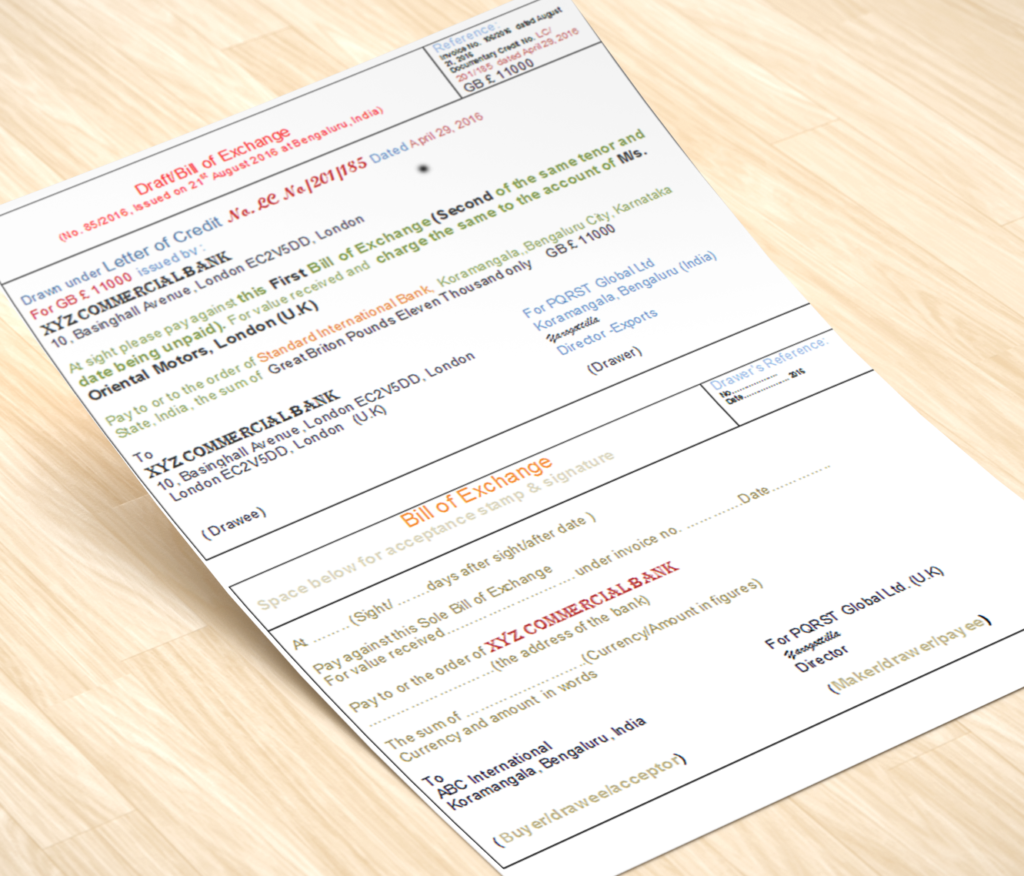
In a Letter of Credit (LC) transaction, multiple parties are involved—each with distinct liabilities, responsibilities, and rights. These parties include the issuing bank, applicant (buyer), beneficiary (seller), and, where applicable, the confirming and advising banks. The central premise of an LC arrangement is that the issuing bank undertakes an irrevocable commitment to pay the beneficiary upon the presentation of stipulated documents, provided they are strictly compliant with the terms of the credit.
Parties and Their Respective Roles
1. Issuing Bank
- Liability: Bears the primary obligation to honor payment to the beneficiary upon receipt of complying documents.
- Responsibility: Ensures the applicant’s creditworthiness, drafts the LC in accordance with the buyer’s instructions, and examines documents presented by the beneficiary for compliance with LC terms.
- Rights: Entitled to reimbursement from the applicant for payments made under the LC.
2. Applicant (Buyer)
- Liability: Obligated to reimburse the issuing bank for all payments made under the credit.
- Responsibility: Must furnish accurate and complete instructions when applying for the LC, ensure fulfillment of the sales contract, and provide necessary arrangements for reimbursement.
- Rights: Entitled to receive goods or services as described in the underlying contract and LC, provided the beneficiary meets the documentary requirements.
3. Beneficiary (Seller)
- Liability: Accountable for fulfilling the obligations specified in the LC, including accurate documentation and shipment within stipulated timelines.
- Responsibility: Must ensure the shipment of goods or provision of services in accordance with the LC terms and present all required documents correctly and promptly.
- Rights: Entitled to receive payment from the issuing bank upon presentation of documents that fully comply with LC requirements.
4. Confirming Bank (If Applicable)
- Liability: Assumes a direct payment obligation to the beneficiary, in addition to that of the issuing bank.
- Responsibility: Must examine documents for compliance and make payment if the conditions of the LC are met.
- Rights: Entitled to reimbursement from the issuing bank for payments made to the beneficiary.
5. Advising Bank (If Applicable)
- Liability: Not liable for payment; its role is limited to authentication and communication.
- Responsibility: Verifies the authenticity of the LC and advises the beneficiary of its terms and amendments.
- Rights: Entitled to compensation for its advisory services, typically from the issuing bank.
Key Principles Governing LC Transactions
- Independence Principle:
An LC operates independently of the underlying sales or service contract between the buyer and seller. Banks deal with documents only, not with the actual goods or services. - Principle of Strict Compliance:
Payment under an LC is conditional upon the beneficiary’s presentation of documents that strictly conform to the terms and conditions of the credit. Even minor discrepancies can lead to refusal of payment. - Documentary Nature of the LC:
The bank’s obligation is based on the examination of documents, not the physical verification of goods, services, or performance.
Conclusion
A clear understanding of the roles, obligations, and entitlements of each party in a Letter of Credit transaction is vital to ensuring the smooth execution of international trade. Compliance with established principles such as independence and strict documentary examination enhances trust and efficiency in cross-border commercial dealings.