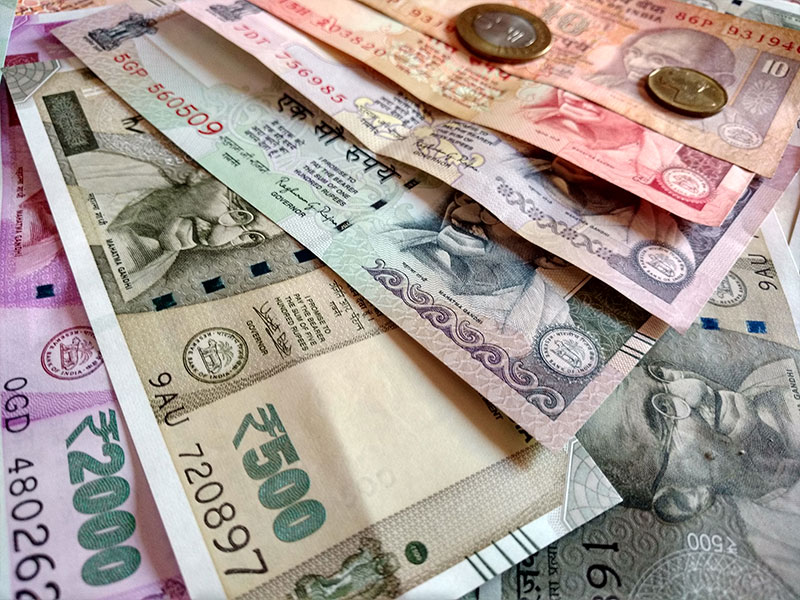
The regulation and management of foreign exchange in India are governed by the Foreign Exchange Management Act (FEMA), 1999. This law empowers the Reserve Bank of India (RBI) and the Central Government to oversee foreign exchange transactions, promote international trade, and maintain stability in the market.
FEMA: Key Provisions
1. Authorization & Regulation
* Only RBI-authorized persons—such as banks and licensed money changers—are permitted to deal in foreign exchange.
* All transactions involving foreign securities or assets must pass through these authorized entities.
2. Permitted & Restricted Transactions
* Current Account Transactions: Generally permitted unless specifically restricted by the government. Examples include payments for travel, education, or business abroad.
* Capital Account Transactions: Involve changes in assets or liabilities (like investments or borrowing abroad). These are strictly regulated, often requiring prior RBI approval.
3. Management & Oversight
* RBI issues operational guidelines, monitors compliance, and may restrict or allow specific transactions to safeguard economic interests.
* Directorate of Enforcement (DoE) investigates breaches, enforces penalties, and upholds the integrity of the foreign exchange market.
4. Penalties & Appeals
* Violations can attract monetary penalties, confiscation of property, and in serious cases, imprisonment.
* FEMA allows for appeals and compounding of offences to settle minor breaches without lengthy litigation.
Practical Aspects of Foreign Exchange Management
* Liberalised Remittance Scheme (LRS): Simplifies outward remittances, subject to annual limits and purpose-specific caps.
* Reporting & Compliance:
* Banks and authorized dealers must maintain detailed transaction records and report them to RBI.
* Individuals and businesses must comply with FEMA provisions for all cross-border dealings to avoid penalties.
Summary
FEMA establishes a structured and transparent system for managing foreign exchange in India. By balancing global economic participation with domestic regulatory safeguards, FEMA ensures that all foreign exchange dealings follow RBI-approved routes (general permission or prior approval). This framework enhances compliance, protects economic stability, and facilitates secure international transactions.
Quick Reference Table
| Aspect | Current Account Transactions | Capital Account |
| Nature | Day-to-day transactions (payments for goods, services, education, travel, etc.) | Changes in assets/liabilities (investments, loans, borrowing abroad, etc.) |
| Regulation | Generally permitted unless specifically restricted | Strictly regulated; often requires RBI approval |
| Examples | Remittances for education, medical treatment, business travel | Foreign investment in shares, property, or external commercial borrowings |
________
| Aspect | RBI | Directorate of Enforcement (DoE) |
| Role | Issues guidelines, monitors compliance, permits or restricts transactions | Investigates violations, enforces penalties, ensures legal compliance |
| Focus | Policy-making and regulatory oversight | Enforcement and investigation |
Benefits of FEMA
Creates a transparent system for foreign exchange management
Balances India’s global trade participation with domestic safeguards
Facilitates smooth cross-border transactions through RBI-approved routes
Provides mechanisms (appeals, compounding) to settle disputes without prolonged litigation
Related Posts: